Upgrade to Mars rovers could aid discovery on more distant worlds

American Geophysical Union, September 2013

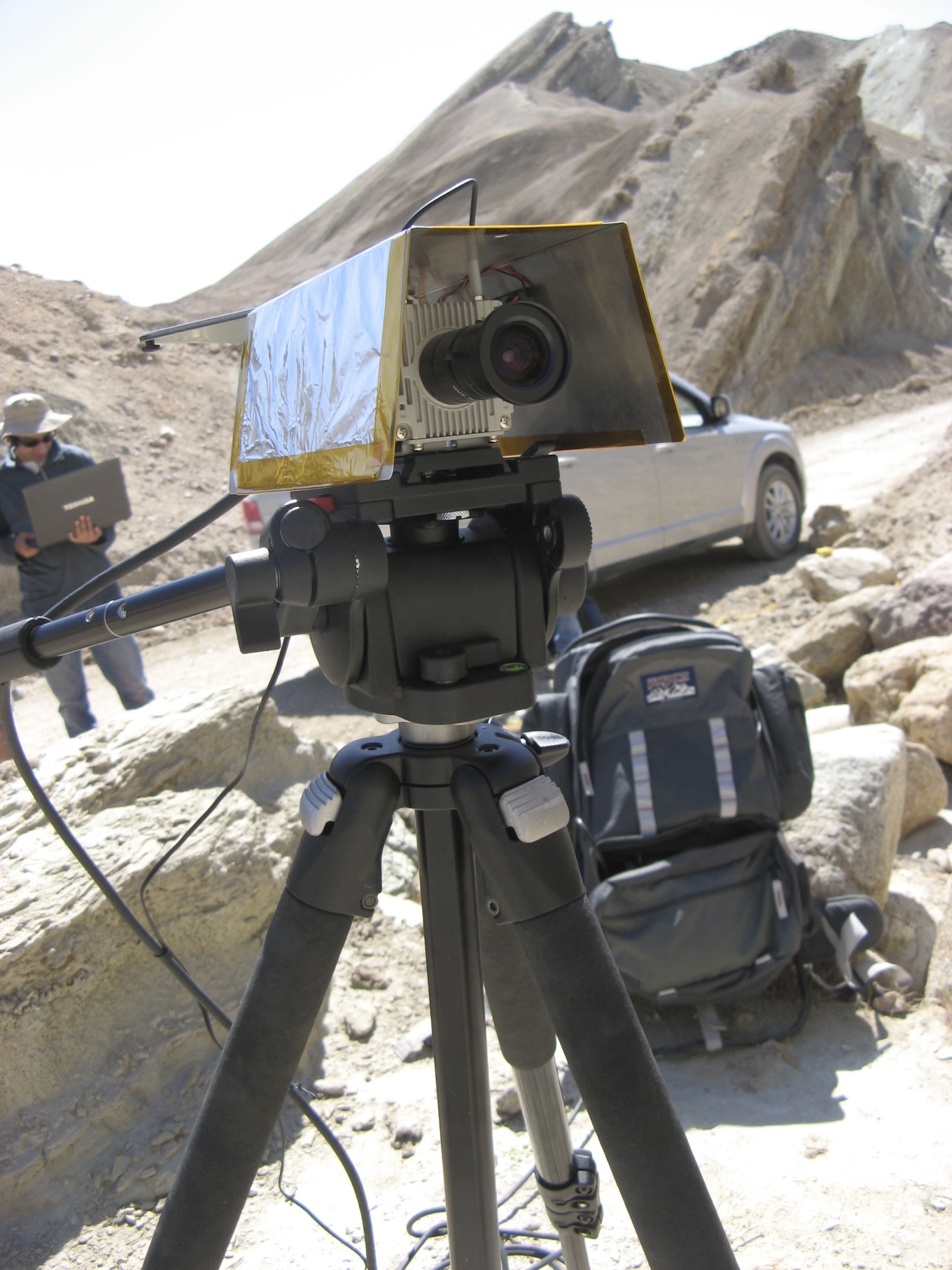
Smart as the Mars Curiosity mission has been about landing and finding its own way on a distant world, the rover is pretty brainless when it comes to doing the science that it was sent 567 million kilometers to carry out. That has to change if future rover missions are to make discoveries further out in the solar system, scientists say. The change has now begun with the development of a new camera that can do more than just take pictures of alien rocks – it also thinks about what the pictures signify so the rover can decide on its own whether to keep exploring a particular site, or move on.

Picked up by Wired.com, Space.com, Yahoo News, CBS News, The Daily Mail, Huffington Post, RedOrbit, and others.


Infographic demonstrating how the speech recognition system works on an iPad game built to help children born with cleft palates improve their speech. Created in Adobe Photoshop.

Palatable Speech

Science Notes, August 2013

Alexis sits on a blue chair in the middle of the room. “Hey, look at this book with us,” she parrots back to a therapist, squirming nervously. As the eight-year-old struggles to make the “b” sound in “book,” her voice trails off. Alexis was born with an opening between the roof of her mouth and her left nostril. Along with one in 700 newborns, she came into the world with a cleft palate. The scar from her reconstructive surgery has faded away, but her speech impediment is a constant reminder of how Alexis was born disfigured.

Feature article on an iPad game built to help children born with cleft palates improve their speech accompanied by infographic and podcast. Reviewed by the Knight Science Journalism Tracker.

Crowdsourcing weather using smartphone batteries

American Geophysical Union, August 2013

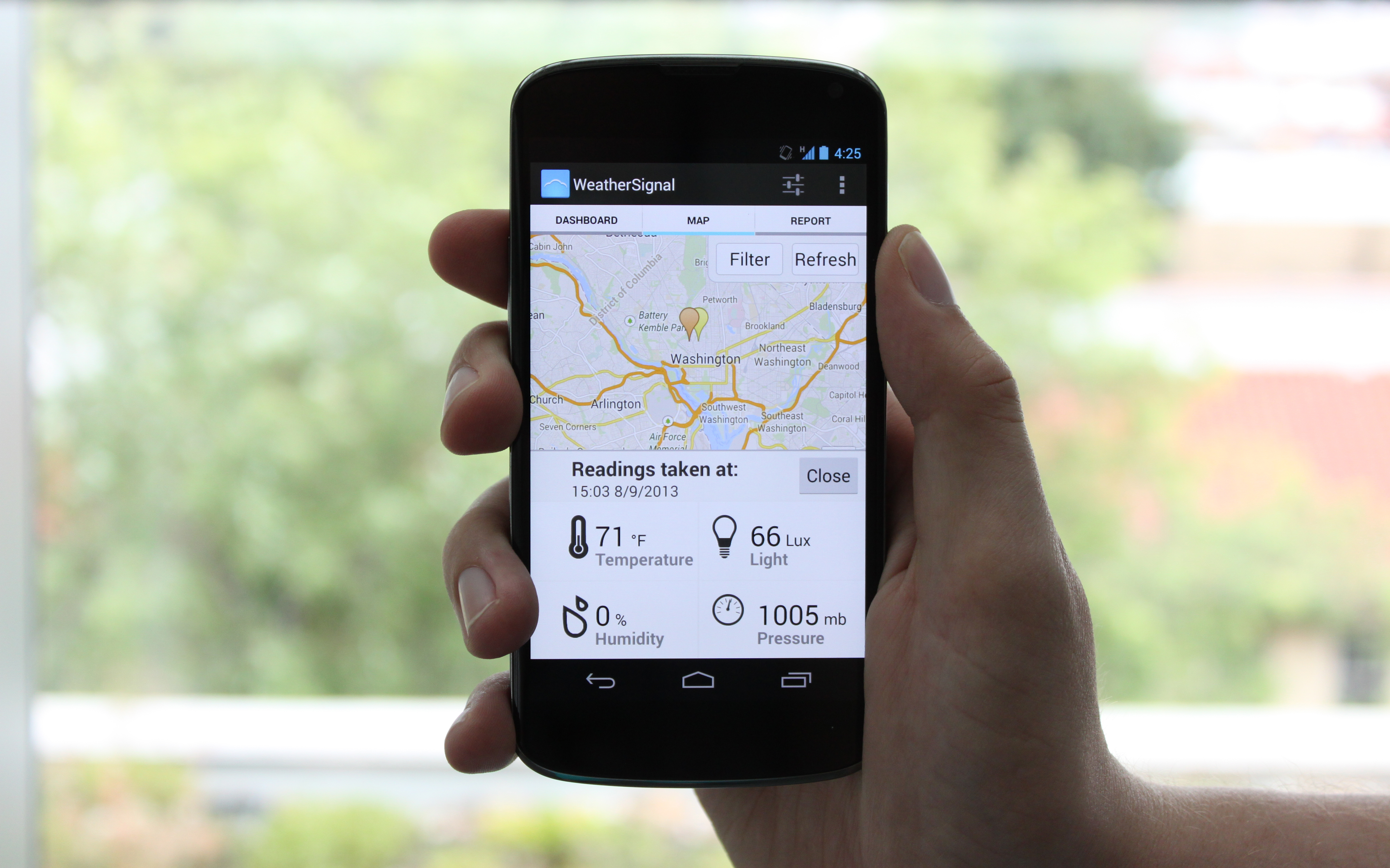
Smartphones are a great way to check in on the latest weather predictions, but new research aims to use the batteries in those same smartphones to predict the weather. A group of smartphone app developers and weather experts created a way to use the temperature sensors built into smartphone batteries to crowdsource weather information. These tiny thermometers usually prevent smartphones from dangerously overheating, but the researchers discovered the battery temperatures tell a story about the environment around them.

Picked up by Washington Post, Wired.co.uk, Discovery News, MIT Technology Reviews, Slash Gear, CBS News, Telegraph, Gizmag, and others.

Ozone hole might slightly warm planet

American Geophysical Union, August 2013

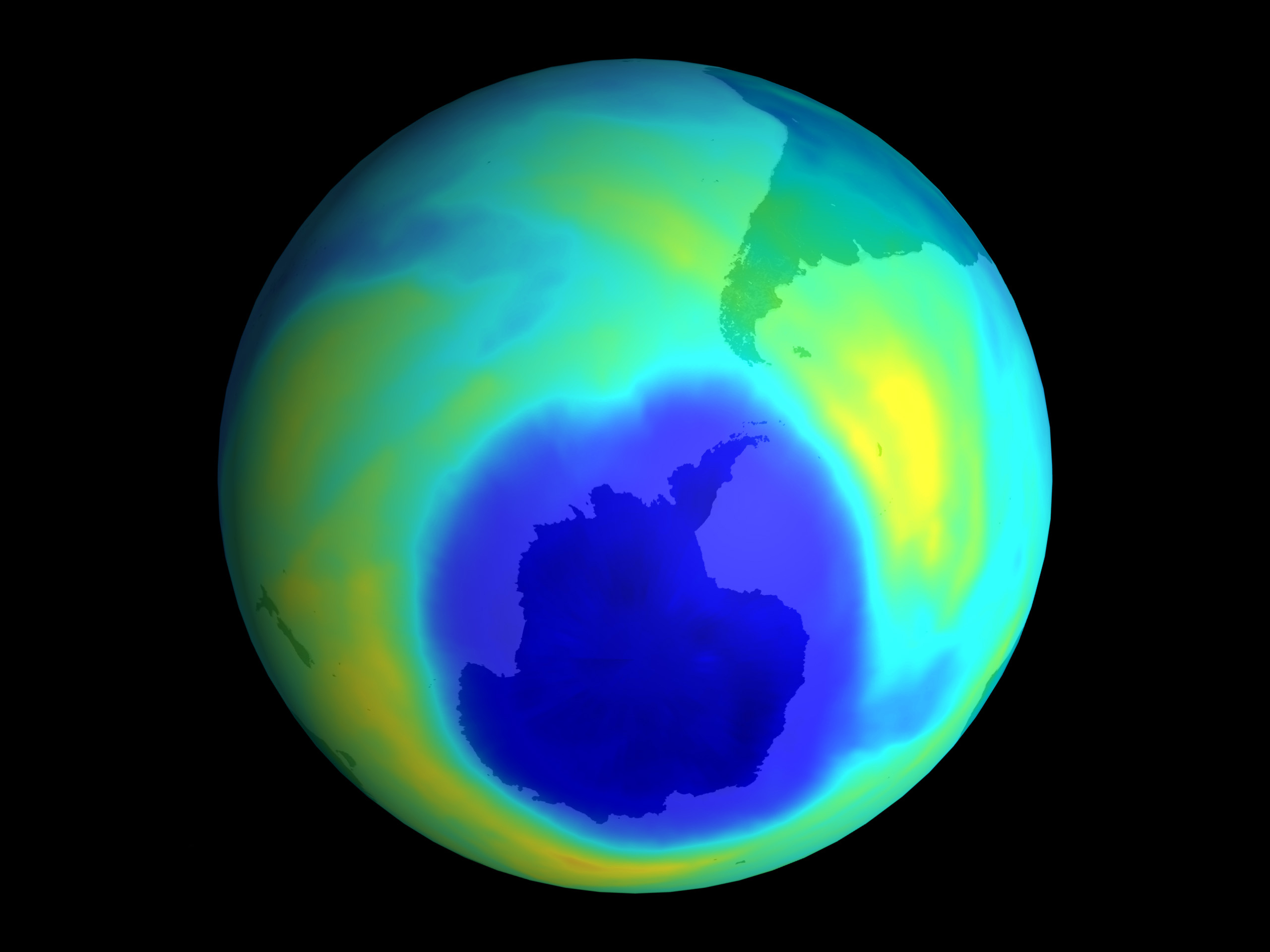
A lot of people mix up the ozone hole and global warming, believing the hole is a major cause of the world’s increasing average temperature. Scientists, on the other hand, have long attributed a small cooling effect to the ozone shortage in the hole. Now a new computer-modeling study suggests that the ozone hole might actually have a slight warming influence, but because of its effect on winds, not temperatures. The new research suggests that shifting wind patterns caused by the ozone hole push clouds farther toward the South Pole, reducing the amount of radiation the clouds reflect and possibly causing a bit of warming rather than cooling.

Picked up by LiveScience, Yahoo! News, Huffington Post, Nature News, NBC News, and others.

Busy beavers capture carbon

American Geophysical Union, July 2013

A few environmental problem-solvers have proposed drawing carbon out of the air and burying it to reduce greenhouse gasses and curb climate change. Maybe they could take some tips from nature’s own geoengineers – beavers – which have been sequestering carbon for thousands of years in the ponds and meadows created by their dams. A new study finds that, due to decreasing populations, much less carbon is getting tucked away by beavers than in the past.

Distorted GPS signals reveal hurricane wind speeds

American Geophysical Union, July 2013

By pinpointing locations on Earth from space, GPS systems have long shown drivers the shortest route home and guided airline pilots across oceans. Now, by figuring out how messed up GPS satellite signals get when bouncing around in a storm, researchers have found a way to do something completely different with GPS: measure and map the wind speeds of hurricanes.

Picked up by National Geographic, LiveScience, The Houston Chronical, and others.

Stanford scientists eavesdrop on erupting volcano’s astonishing seismic sound

Stanford University, July 2013

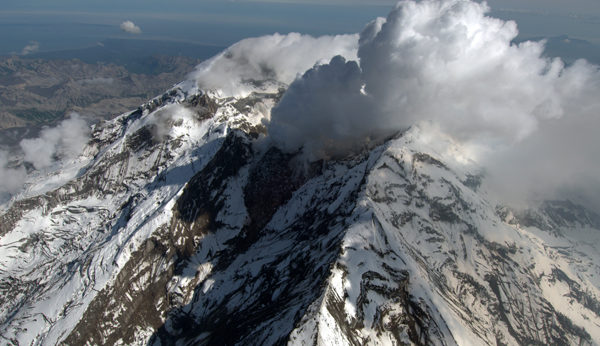
When volcanoes grumble, scientists listen.In 2009, Redoubt Volcano outside Anchorage, Alaska, began spewing towering ash plumes more than 12 miles tall. While similar volcanic outbursts are common in Alaska, seismic sensors listening to the volcano’s innards recorded something unusual: an accelerating series of earthquakes leading up to each of the volcano’s eruptions.

Picked up by National Geographic, New Scientist, Discovery News, ScienceNOW, Los Angeles Times, EarthSky, NPR, Wired.com, The Guardian, CBS News and others.