Galactic surprise: New find overturns theories how our galaxy evolved

Santa Cruz Sentinel, January 2013

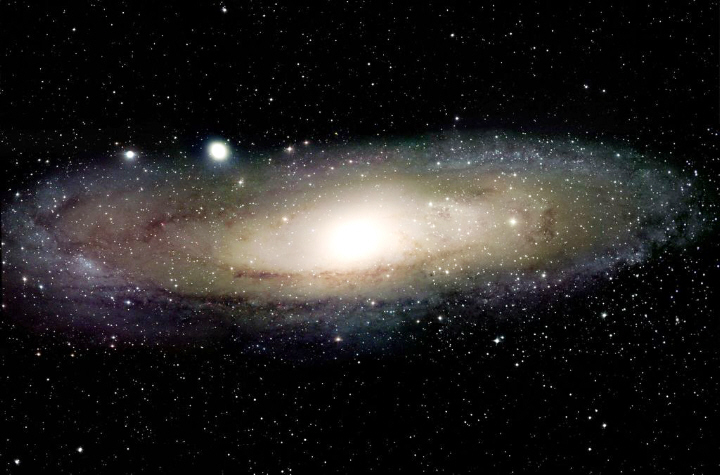
Our galaxy wasn’t always the beautiful cosmic ballet it is today. Billions of years ago, the Milky Way was a chaotic jumble of stars and gas moving every which way. Only over time did the Milky Way morph into its current uniform shape, with flat arms of starlight reaching out from a galactic core. Now, a new NASA study shows this process happened much more recently than scientists had thought.

Featured in the Santa Cruz Sentinel (Pg. C1 & online, second most viewed story for January 2013) and the San Jose Mercury News (Pg. 1B & online).

Building a Better Battery

Inside Science, December 2012

Lithium-ion batteries generate electricity when tiny charged lithium atoms move from a negatively charged electrode to a positively charged one. As the battery charges, the lithium atoms move in the opposite direction. The problem is that with each cycle of charging and discharging, the battery’s electrodes degrade and the battery’s capacity drops. To fix this dying battery dilemma, scientists need to see what’s happening inside the battery in realtime at a resolution of one billionth of a meter — something that hasn’t been possible until just recently.

Pluto probe peril

Out of the Fog, December 2012

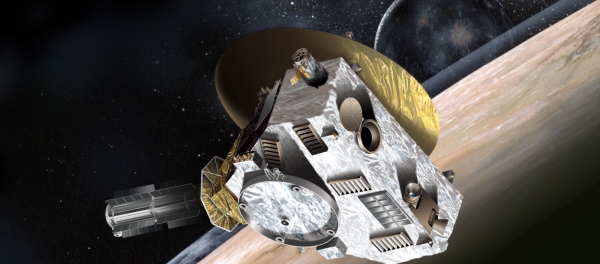
As the Curiosity rover safely studies rocks on the surface of Mars, a NASA mission on route to Pluto may find itself on a treacherously rocky path. NASA announced last month that the $650 million New Horizons space probe’s planned trajectory during its July 2015 flyby could turn into a collision course with unknown moons and debris circling the dwarf planet—an unfortunate end to the mission’s three-billion-mile cosmic road trip.

Keeping Hammerheads Out of the Haul

Science, November 2012

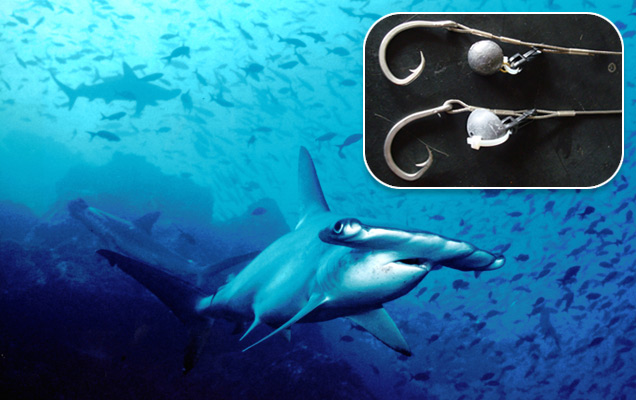
Special fishing weights could take a bite out of endangered hammerhead shark deaths. The global population of these distinctive sharks has fallen by about 89% in the last 2 decades, largely due to illegal poaching and accidental fishing bycatch. But now, scientists have come up with a shocking way to reduce this collateral damage: generating a mild electric field near fishing lines to keep the sharks away.

Mosquito Flight Fails in Fog

Inside Science, November 2012

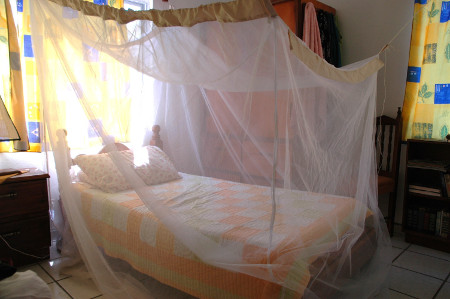
Mosquito bites are a scourge to campers and spread deadly malaria infections. While nets and insecticides have long been the answer to blocking the winged menaces, researchers have discovered a simple way of grounding mosquitoes: fog.

Investigating the Venus Flytrap’s Speedy Snap

Inside Science, November 2012

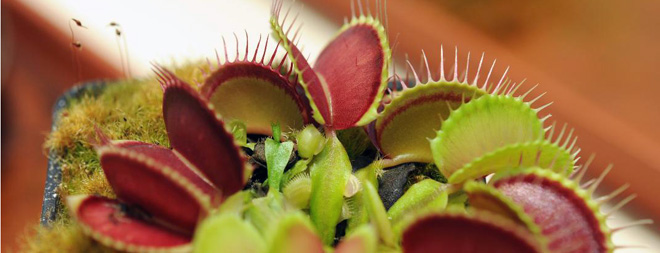
Plants aren’t typically known for their speed, but the carnivorous Venus flytrap can close its jaw-like leaves in the blink of an eye. Charles Darwin once referred to the Venus flytrap as “one of the most wonderful plants in the world.” But despite the plant’s notoriety, its closing mechanism remains a mystery 250 years after its discovery.

Syndicated by Business Insider, Fox News and LiveScience, and others.

House windows may kill 22 million Canadian birds each year

Mongabay, November 2012

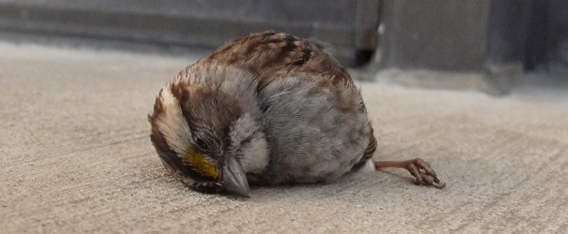
The sickening thud of a bird crashing into a window is an all-too-familiar sound for many Canadian homeowners. Birds often mistake windows for openings, flying into the glass at full speed. A startling new analysis suggests about 22 million Canadian birds die each year from such crashes, researchers reported Sept. 4 in Wildlife Research.