New Simons Collaboration Explores Black Holes and Strong Gravity

Simons Foundation, August 2025

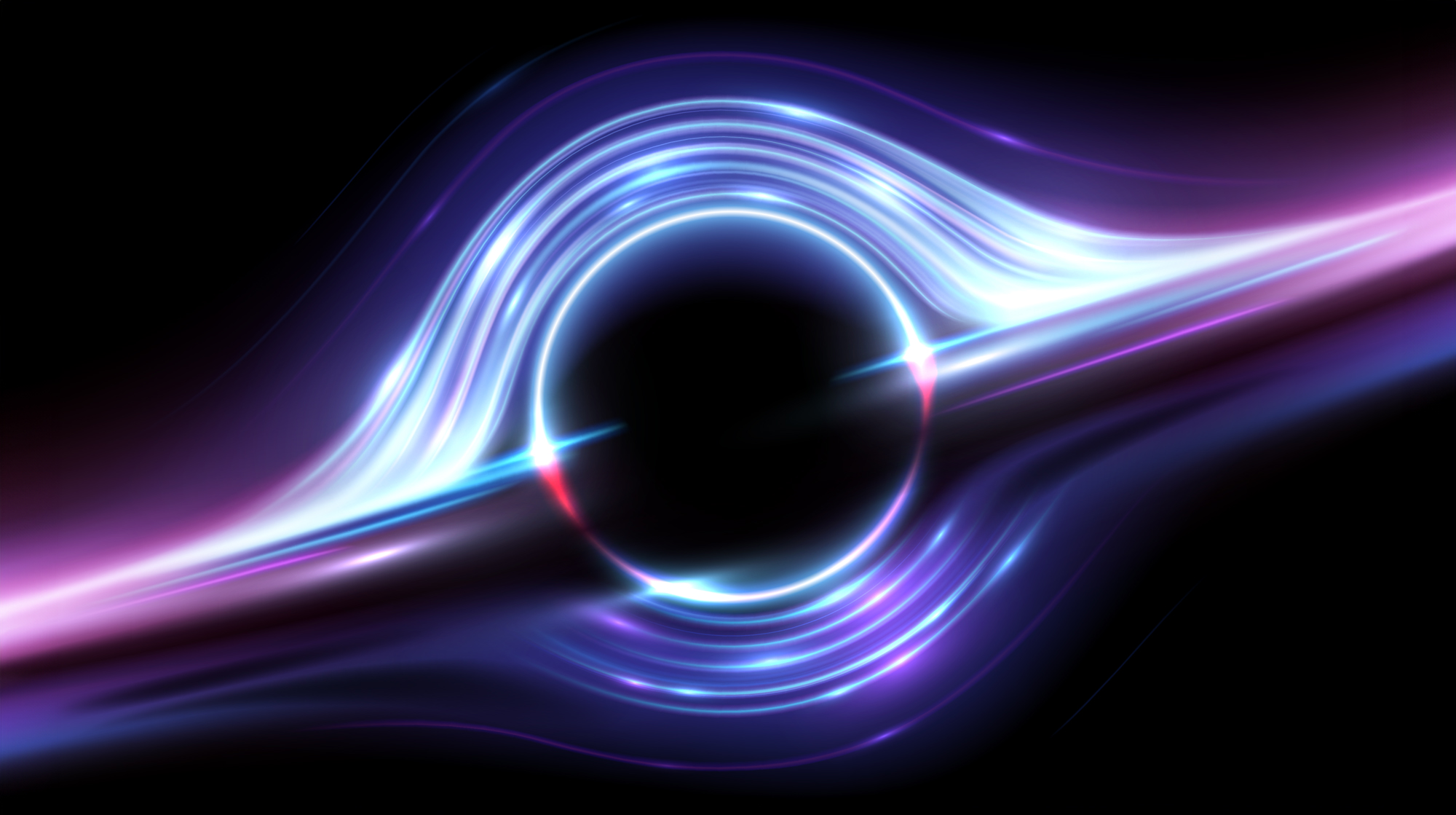
Black holes are some of the most extreme places in the universe. The gravitational pull of these objects is so great that even light can’t escape them. The Simons Foundation is pleased to announce the launch of the Simons Collaboration on Black Holes and Strong Gravity, a multidisciplinary community exploring strong gravity in and beyond Albert Einstein’s theory of general relativity.

Jim Simons Tribute Event Honors His Lifelong Support for Math and Science

Simons Foundation, July 2025

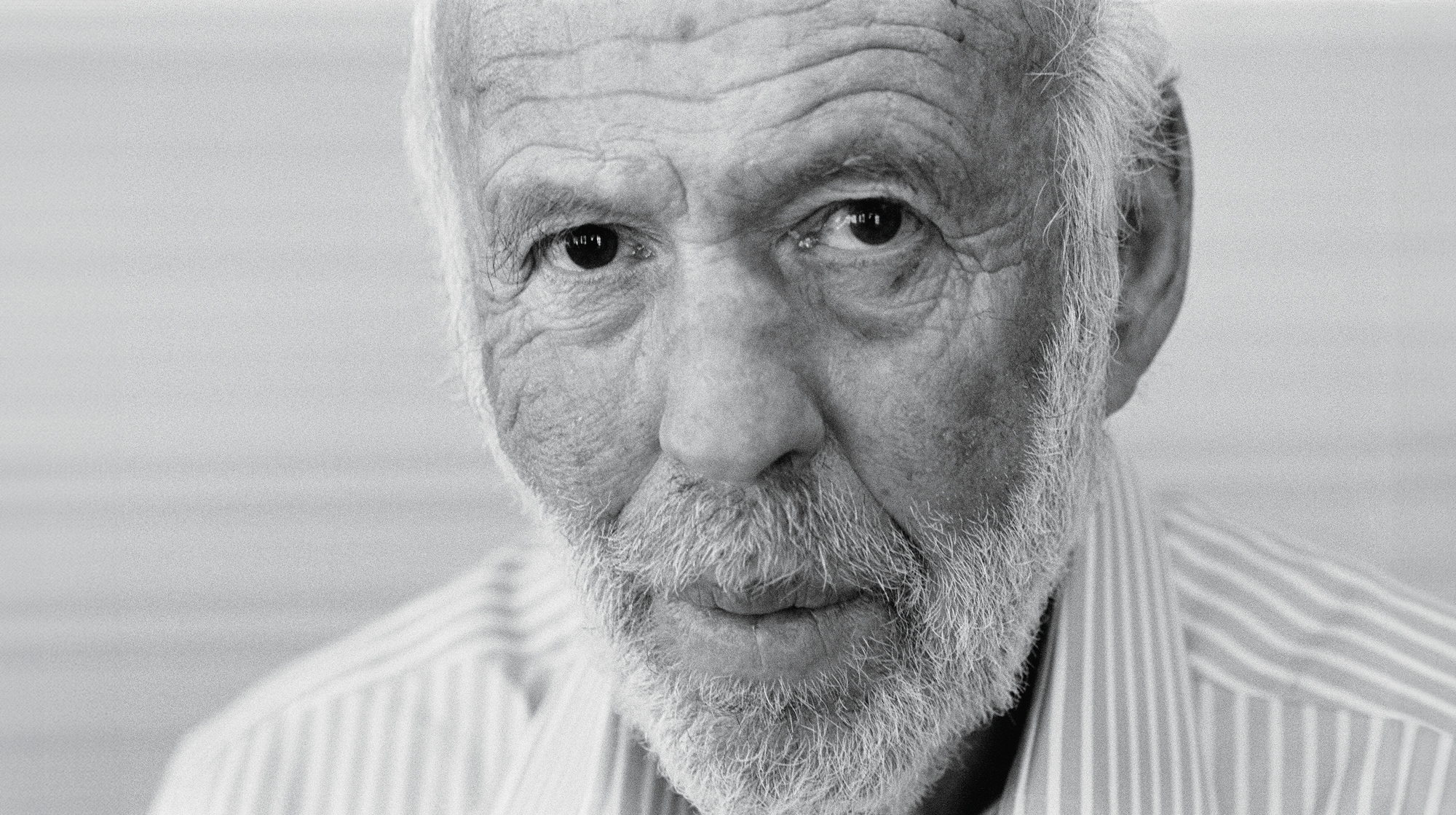
One of Jim Simons’ favorite places was the front row of the Simons Foundation’s Gerald D. Fischbach Auditorium. Sitting in his customary seat, he would listen as some of the world’s leading thinkers shared the latest advances in our understanding of the universe. Even when he would occasionally doze off during a talk, he would always be ready at the end with a perceptive question.

Foundation’s Film About Jim Simons Named People’s Gold Winner at Telly Awards

Simons Foundation, May 2025

The Telly Awards has named the foundation’s short film on the life and impact of Jim Simons as a People’s Telly Gold Winner in the general non-broadcast category and a silver winner in the general-biography category. The film, Jim Simons: Life and Philanthropy, chronicles Simons’ contributions and careers as a world-renowned mathematician, a trailblazing investor and a generous philanthropist.

Quantum Physicists Tune Material’s Property Using Energy of ‘Empty’ Space

Simons Foundation, May 2025

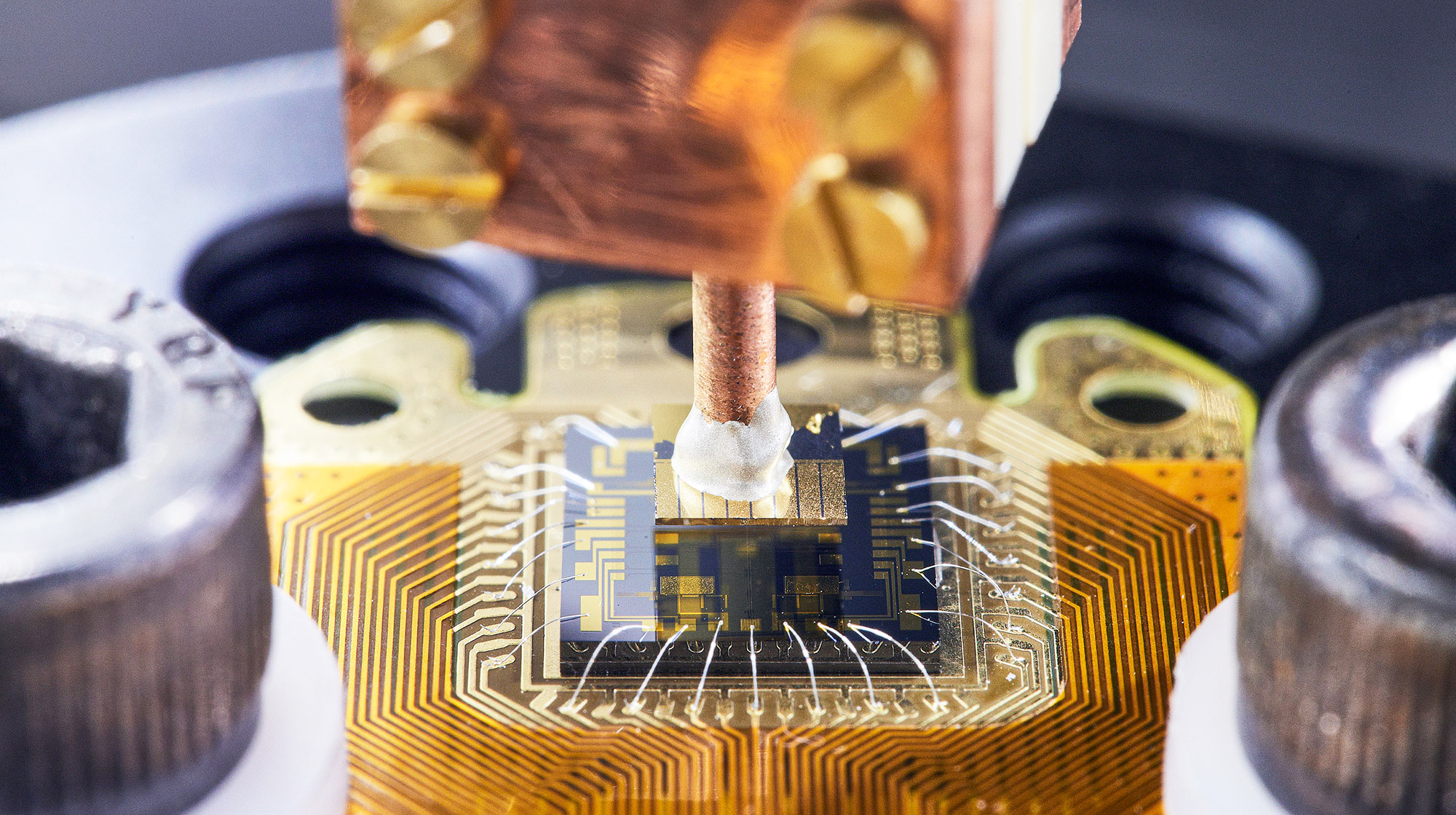
In quantum physics, there’s no such thing as truly empty space. Even the barest of voids has quantum fluctuations, such as particles continually being created and quickly annihilated in empty space. In a new paper in Nature, a team of quantum physicists, including Flatiron Institute research scientist Nicolas Regnault, demonstrates a remarkable setup that can alter a material’s properties using vacuum field fluctuations. By tuning the interaction strength between vacuum fields and gases made up of electrons confined to two dimensions of movement, the team successfully altered the bulk behavior of the electrons using the vacuum field fluctuations.