New desalination tech could help quench global thirst

Science News, August 2016

The world is on the verge of a water crisis. Rainfall shifts caused by climate change plus the escalating water demands of a growing world population threaten society’s ability to meet its mounting needs. By 2025, the United Nations predicts, 2.4 billion people will live in regions of intense water scarcity, which may force as many as 700 million people from their homes in search of water by 2030. Those water woes have people thirstily eyeing the more than one sextillion liters of water in Earth’s oceans and some underground aquifers with high salt content.

A feature on emerging technologies such as graphene that could make desalination cheaper and more accessible. Cover story for issue.
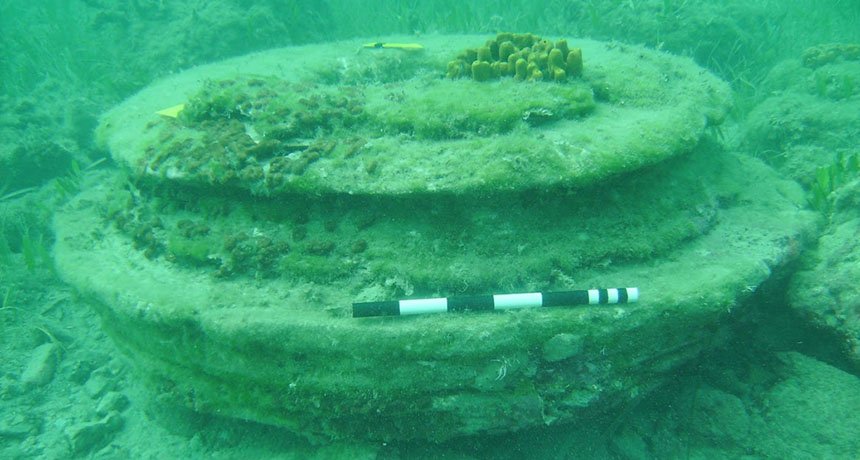
Underwater city was built by microbes, not people

Science News, July 2016

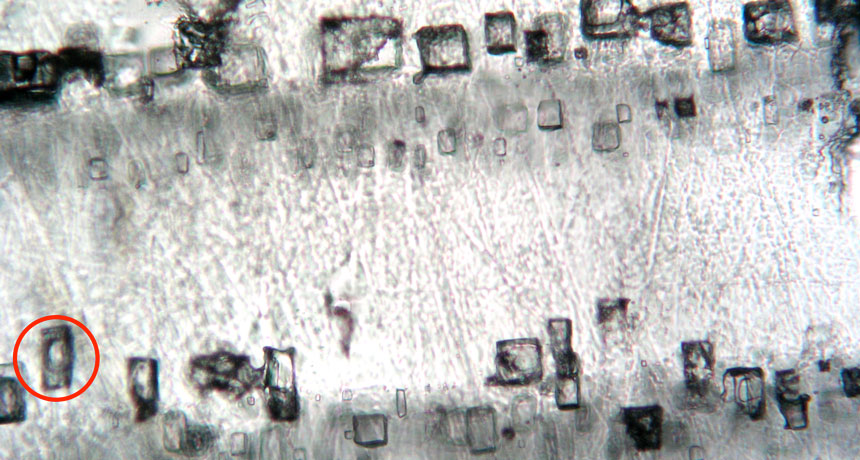
When snorkelers discovered what appeared to be ancient stonework off the coast of the Greek island of Zakynthos in 2013, archaeologists sent to the site thought the odd rocks might be the ruins of an ancient city. But among the columns, bagel-shaped rings and paving stone‒like rocks, they found no telltale pottery shards or other artifacts. Soon after, geochemist Julian Andrews of England’s University of East Anglia and colleagues dove down to the supposed ruins and collected samples.

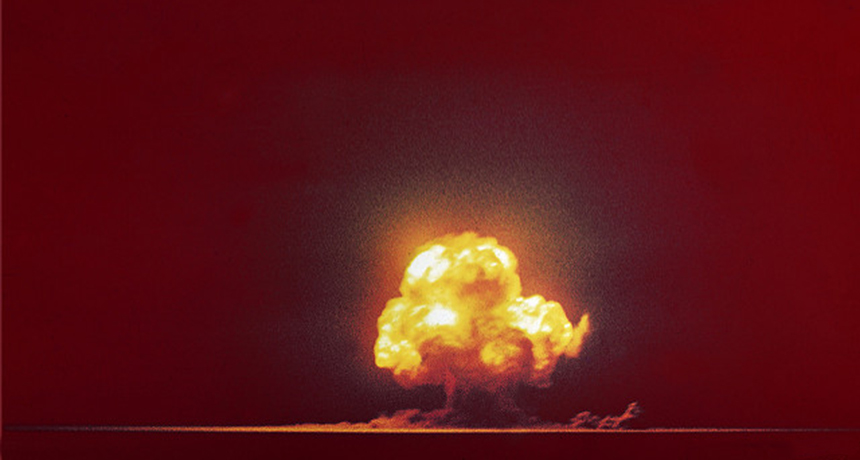
Nuclear bomb debris can reveal blast size, even decades later

Science News, July 2016

A new type of fallout forensics can reconstruct nuclear blasts decades after detonation. By measuring the relative abundance of various elements in debris left over from nuclear explosions, researchers say they can accurately estimate the amount of energy released during the initial blast.

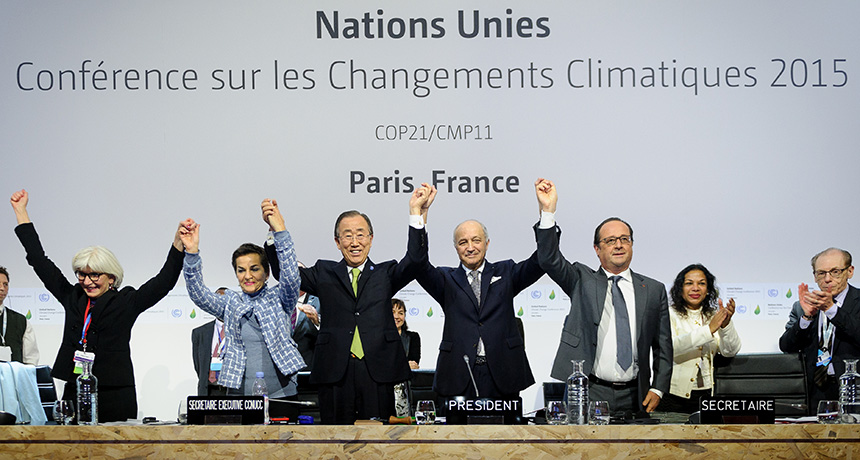
World will struggle to keep warming to 2 degrees by 2100

Science News, June 2016

The world’s current game plan to combat climate change will miss the mark. Crunching the numbers on 187 nations’ climate action proposals announced in advance of the December 2015 Paris Agreement, researchers estimate that the efforts will limit global warming to 2.6 to 3.1 degrees Celsius above preindustrial levels. That’s far above the goal agreed upon in Paris of limiting warming to well below 2 degrees by 2100.

Winning helium hunt lifts hopes element not running out

Science News, June 2016

The world’s known helium reserves just ballooned. Applying gas-finding techniques from the oil industry, scientists uncovered a vast reservoir of more than a trillion liters of helium gas beneath Tanzania. That’s enough to satisfy the world’s helium needs for around seven years, the researchers announced June 28 at the Goldschmidt Conference, a geochemistry meeting being held in in Yokohama, Japan. The find may allay fears that a global helium shortage will hit when the U.S. Federal Helium Reserve — currently the world’s largest helium source — runs dry within the next few years.