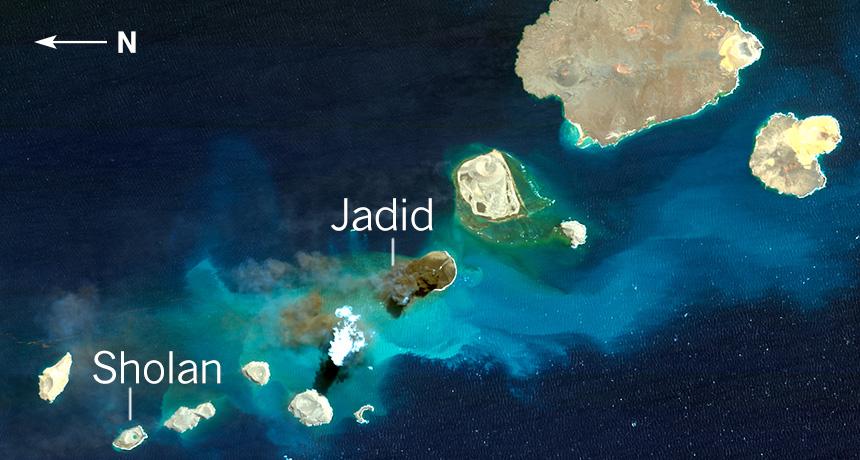
Eruptions create new islands in the Red Sea
Science News, June 2015Update your maps: Two new islands have popped up in the strip of ocean between Africa and the Arabian Peninsula.
Update your maps: Two new islands have popped up in the strip of ocean between Africa and the Arabian Peninsula.
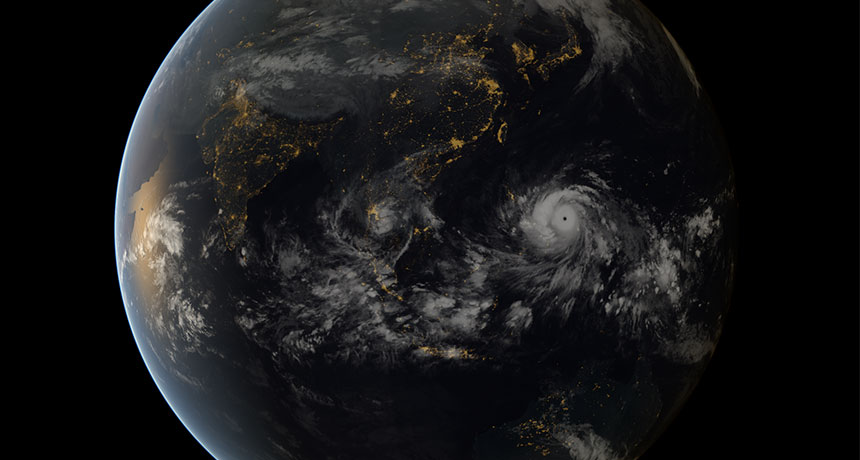
Warming waters will boost the destructiveness of future typhoons, new research predicts.
Adapted for Science News for Students.
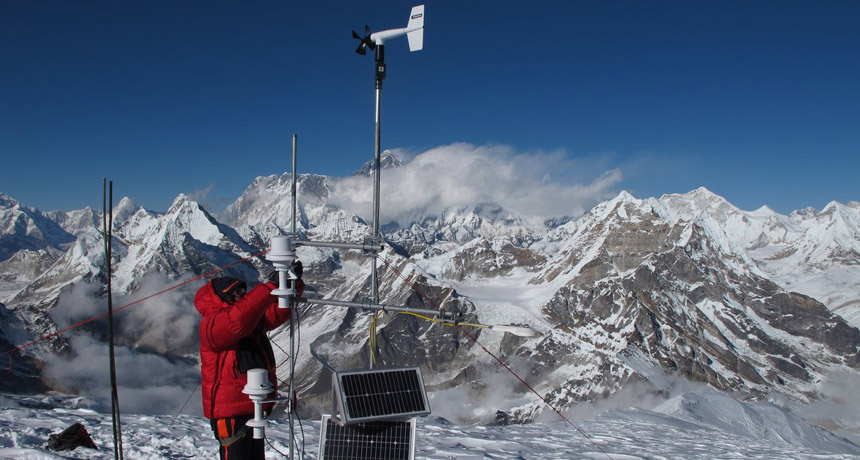
Glaciers around the tallest mountain in the world may reach a historic new low relatively soon.
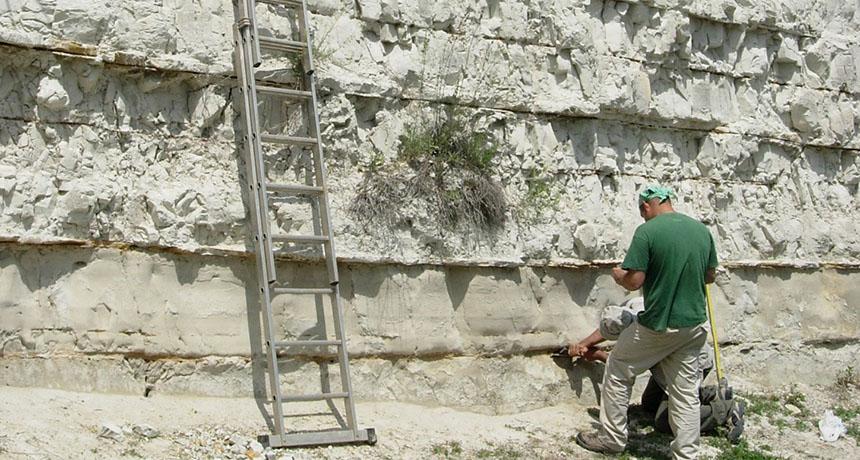
The next big chill may be overdue. If humans hadn’t boosted levels of atmospheric carbon dioxide, Earth’s next frosty bout of glacial growth probably would have already started, new research suggests.
Adapted for Science News for Students.
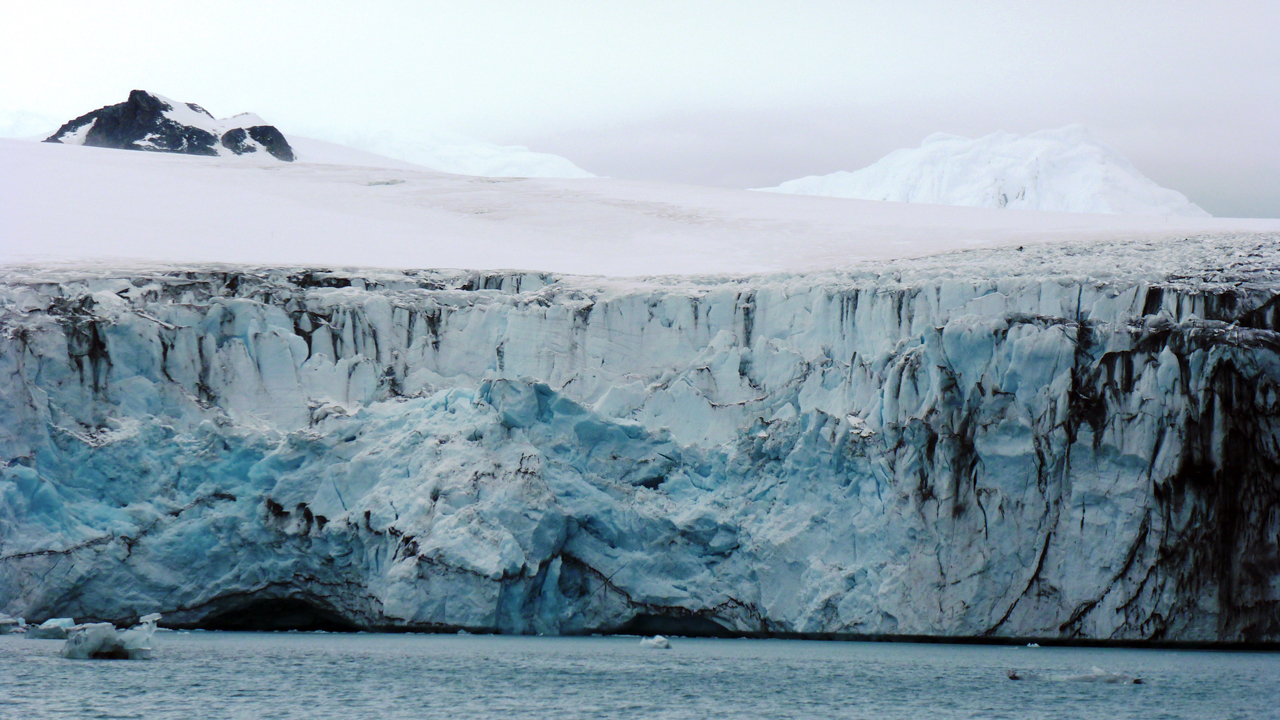
A once-steadfast group of Antarctic glaciers has nosedived into rapid decline.
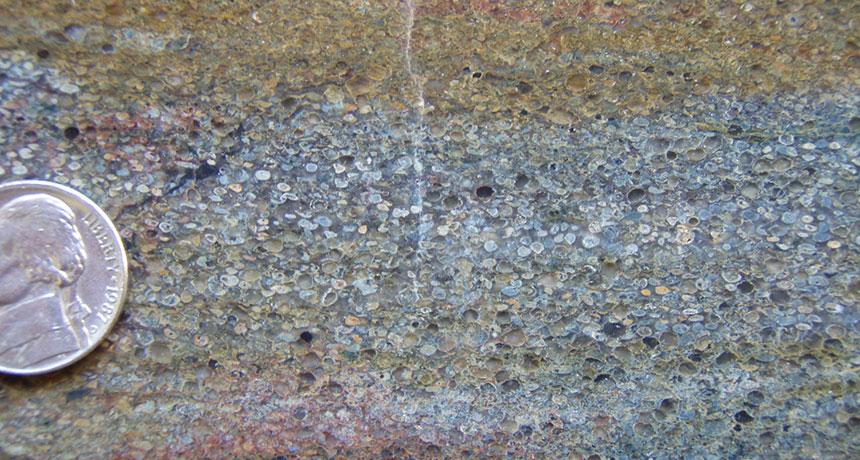
Asteroid impacts around 3.3 billion years ago may have created hell on Earth.
Adapted for Science News for Students.
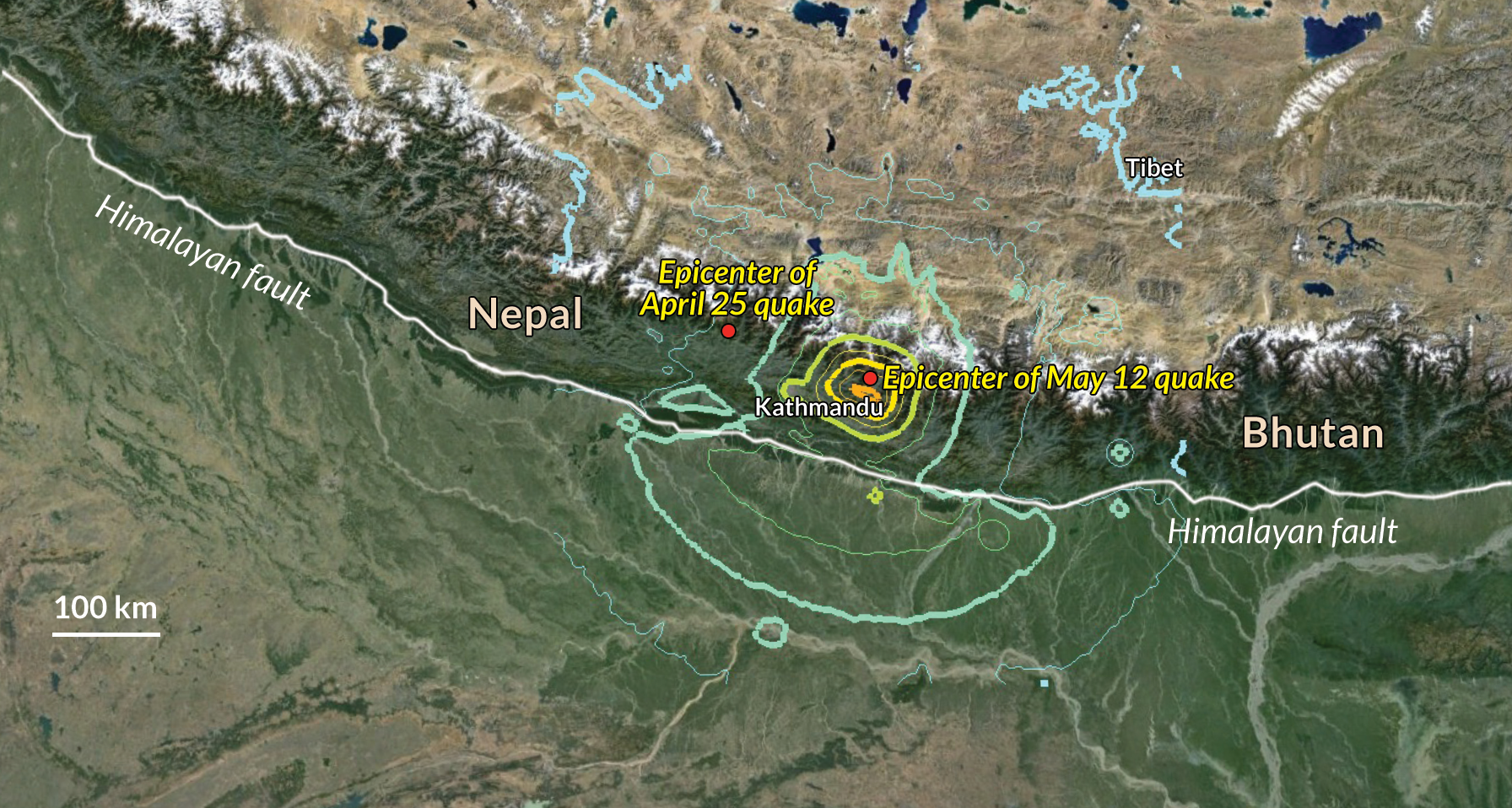
A magnitude 7.3 earthquake rattled eastern Nepal near Mount Everest on May 12, hitting just 17 days after one that killed more than 8,000 people in the region. The latest quake is the largest aftershock to date of the April 25 Nepal earthquake, which struck around 150 kilometers to the west, the U.S. Geological Survey reports.
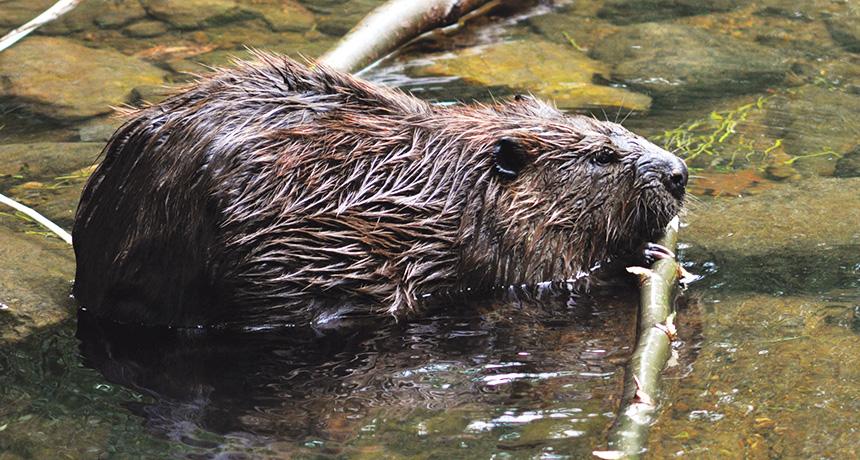
Busy beavers can curtail rising floodwaters, new research shows. The work suggests that beaver dams can provide natural flood protection and that officials should consider encouraging beaver construction projects as part of flood prevention plans, the researchers say.
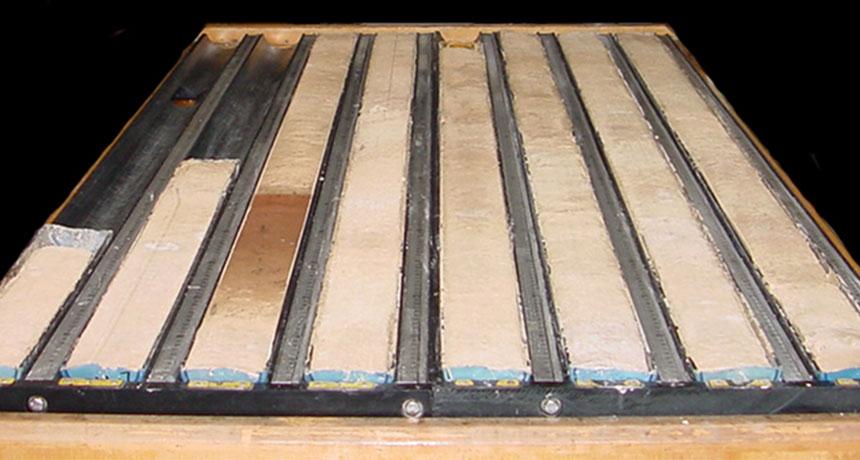
Humans are dumping extra carbon into the atmosphere at a rate unprecedented since at least the time the dinosaurs went extinct about 66 million years ago, new research suggests.
Adapted for Science News for Students.
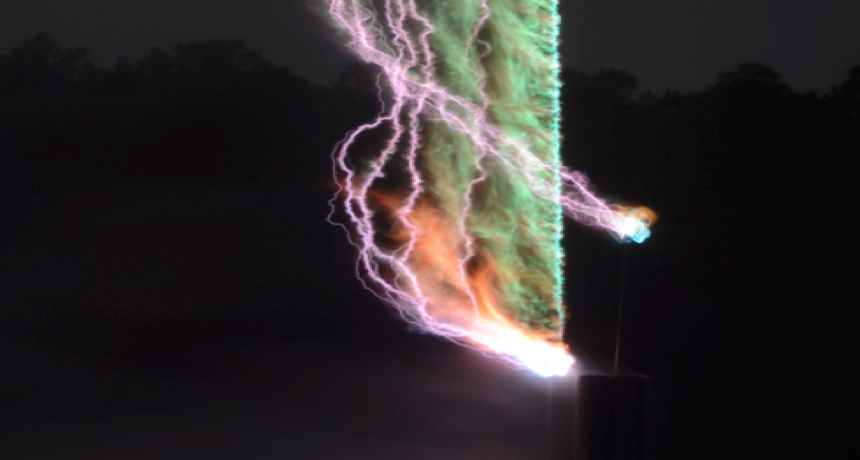
For the first time, scientists have precisely captured a map of the boisterous bang radiating from a lightning strike. The work could reveal the energies involved in powering some of nature’s flashiest light shows.
Adapted for Science News for Students.