Fewer cold snaps in the forecast
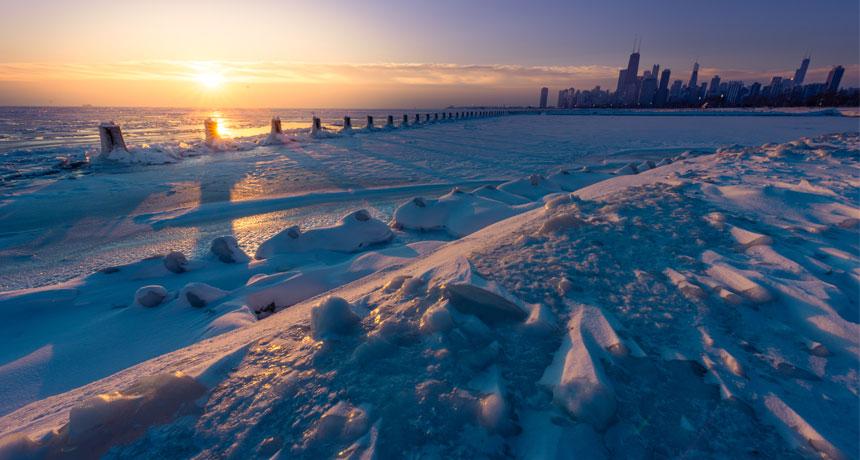
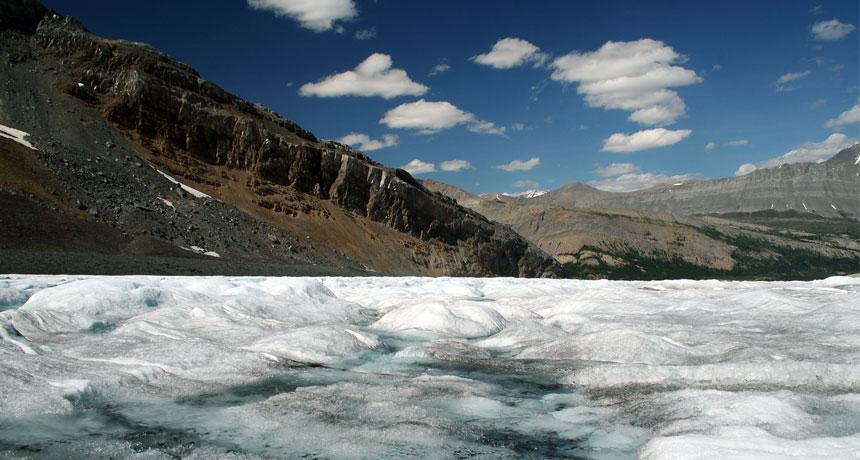
Science News, April 2015Bitter bouts of unusually cold days will become less frequent in much of the Northern Hemisphere as the planet warms, two new studies suggest.
Bitter bouts of unusually cold days will become less frequent in much of the Northern Hemisphere as the planet warms, two new studies suggest.
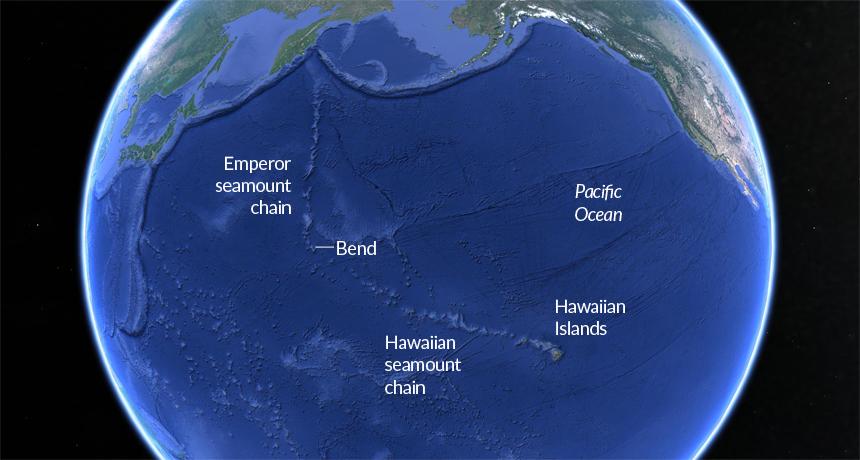
The disappearance of a tectonic plate into Earth’s interior may be responsible for the distinctive bend in the chain of underwater mountains and islands that includes the Hawaiian archipelago.
Adapted for Science News for Students.
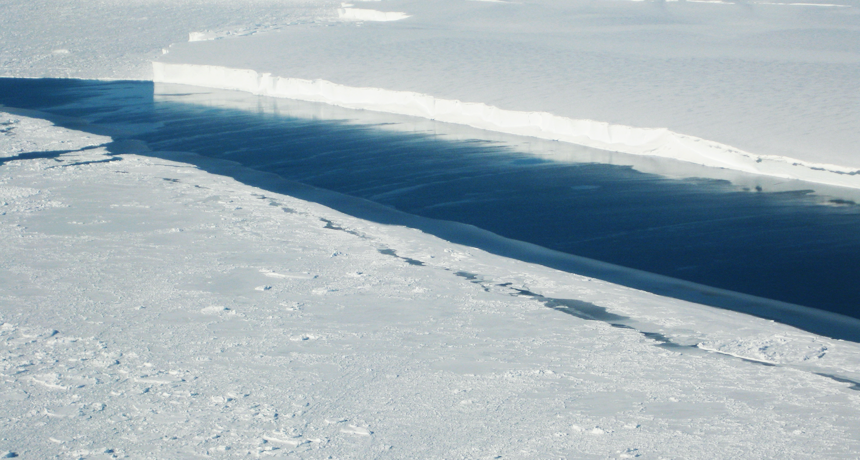
Antarctica’s ice shelves are shrinking at an accelerating rate, one of the longest satellite records of ice thickness reveals. Researchers report online March 26 in Science that several West Antarctic ice shelves are now on pace to disappear completely within 100 years.
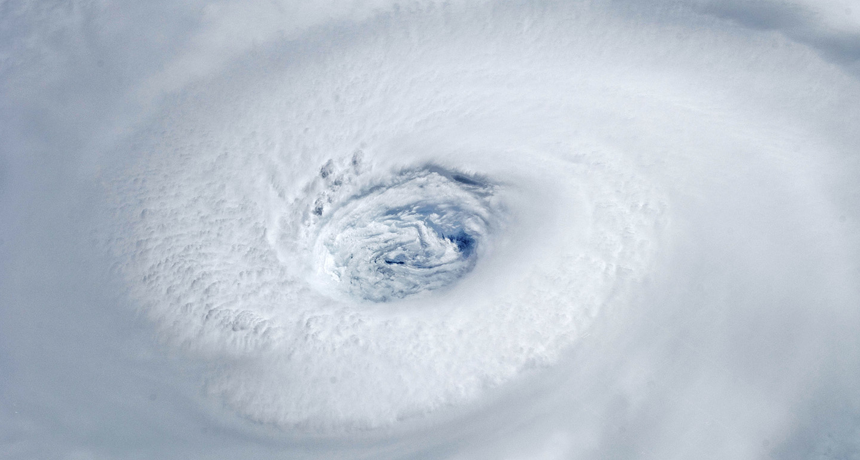
Heavy downpours put a damper on hurricanes, new research suggests. Running simple hurricane simulations, researchers have demonstrated that descending raindrops produce significant friction as they fall along the edges of a hurricane’s eye. This friction slows the powerful winds that drive the storm, lessening the hurricane’s intensity by as much as 30 percent, the researchers report in a paper to be published in Geophysical Research Letters.
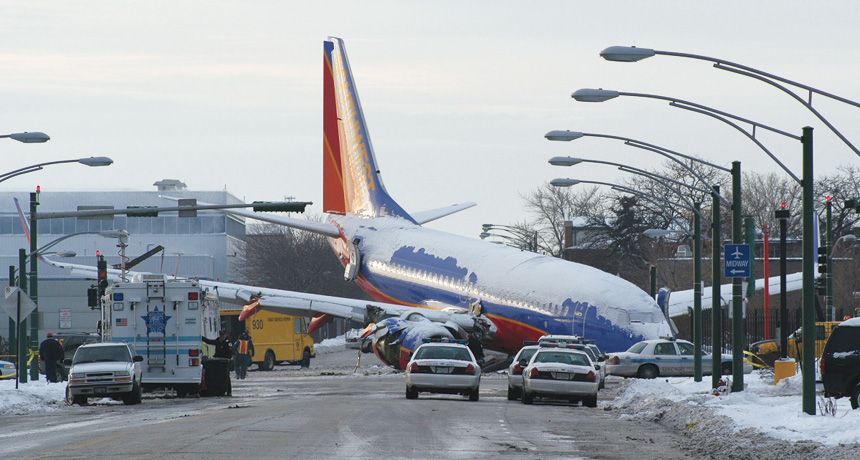
Jack Frost’s fury is deadlier than a major report implies, new research suggests.
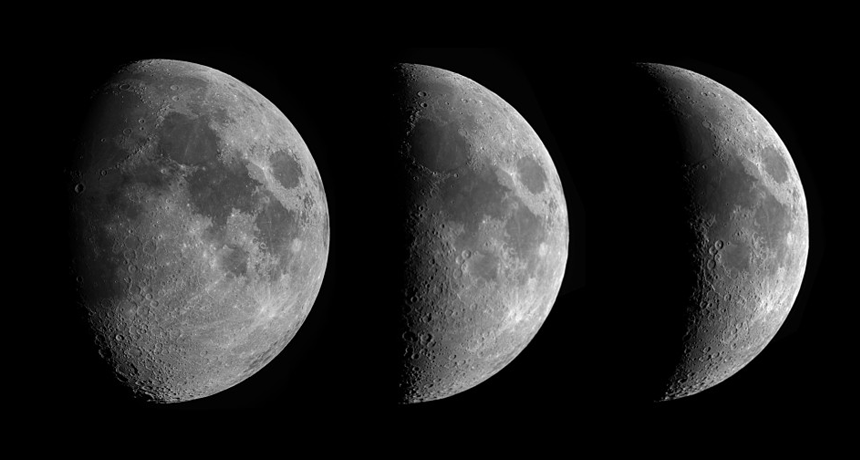
The Earth and moon’s celestial dance was a lot wilder during the pair’s youth. By simulating the early moon’s orbit, researchers have reconstructed what the moon’s phases would have looked like during the solar system’s early years. The result, presented online March 10 at arXiv.org, reveals a moon that alternated rapidly between its sunlit and shadowy sides and bounced like a ball toward and away from Earth.
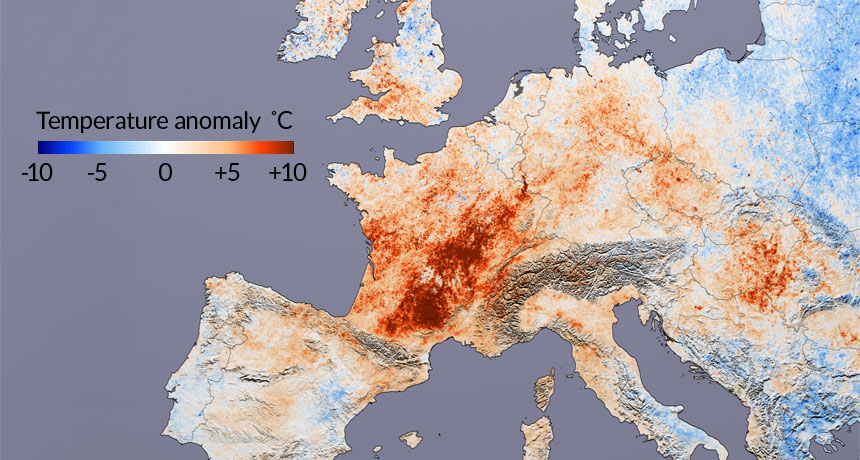
Sweltering summertime heat waves are on the rise across the Northern Hemisphere because of atmospheric changes brought on by Arctic warming, new research shows.
Adapted for Science News for Students.
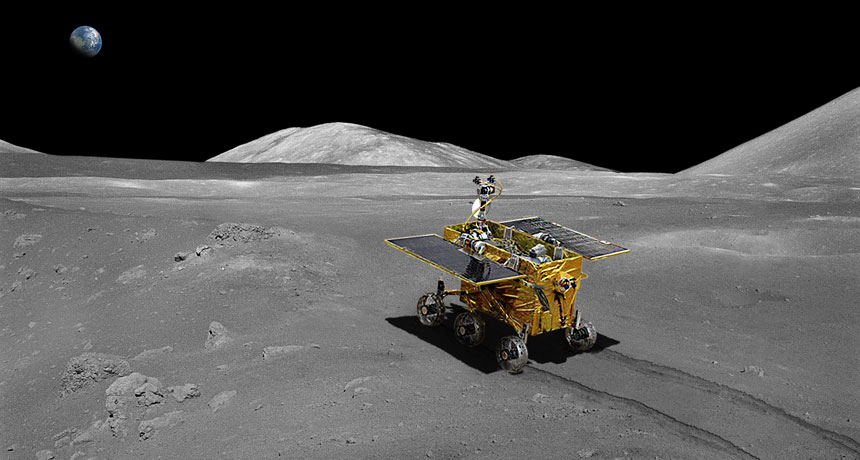
Radar waves beamed into the moon’s surface by China’s Yutu rover have revealed nine distinct subsurface layers directly beneath the rover’s landing site in the Sea of Rains. The multitude of rocky layers suggests that the moon has a more storied geological history than once thought, researchers report in the March 13 Science.
Pangaea’s breakup may have been an outside job. A reexamination of tectonic movements 200 million years ago suggests that the supercontinent was pulled apart by shrinking of the forerunner to the modern Indian Ocean. The new work, presented online February 27 in Geology, signals that scientists may have to rethink Pangaea’s demise, says geologist Stephen Johnston of the University of Victoria in Canada, who was not involved with the research.
Adapted for Science News for Students.
Lightning bolts that flash and clash high above erupting volcanoes can forge flying ash into glass, new research finds. The mechanism could explain the origins of odd microscopic glass beads found embedded in ash deposits, the researchers report online February 27 in Geology.
Adapted for Science News for Students.