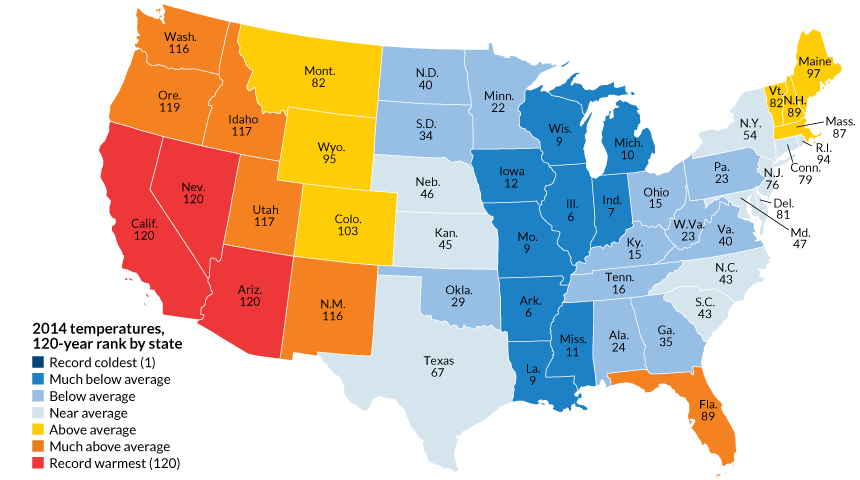
The continental divide of 2014 temperature
Science News, January 2015While last year was the hottest on record worldwide, the contiguous United States experienced extremes on both ends of the thermometer.
While last year was the hottest on record worldwide, the contiguous United States experienced extremes on both ends of the thermometer.

Thanks to climate change, El Niño’s meteorological sister will strike more intensely over the next century, a new study predicts.
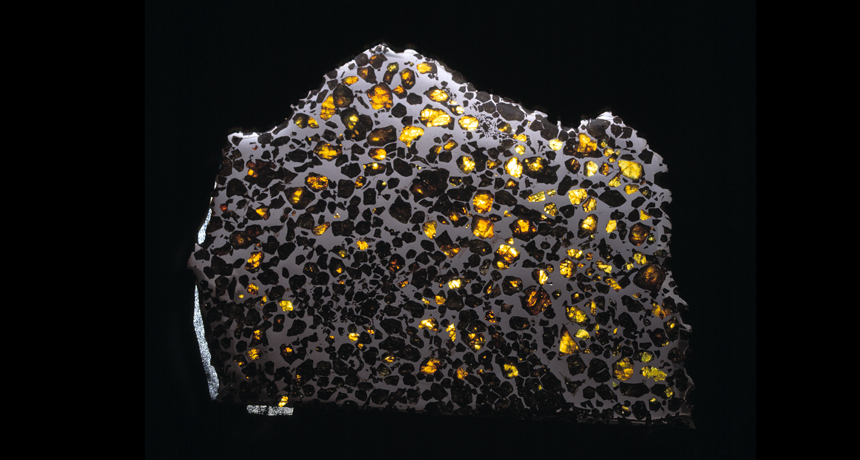
Ancient meteorites reveal that young asteroids may have generated powerful magnetic fields for hundreds of millions of years longer than once thought. The finding could explain long-lasting magnetism elsewhere in the early solar system, such as on the young moon.
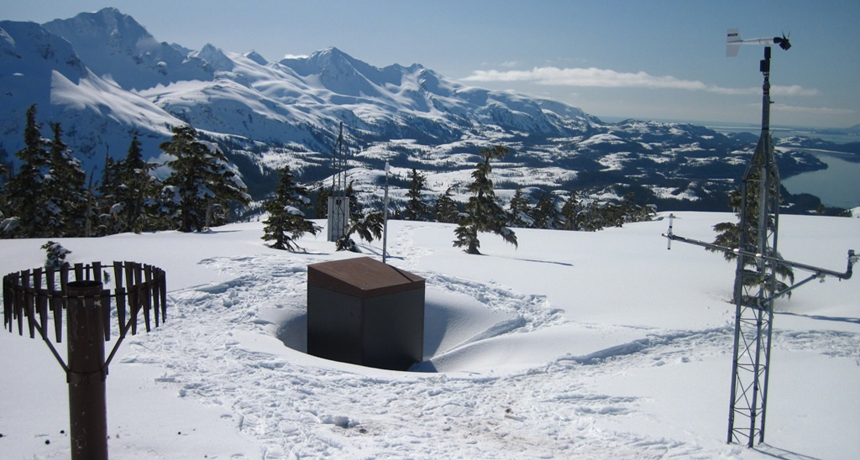
Observations of sharply rising high-elevation temperatures in the western United States were caused by faulty equipment, not climate change, new research suggests.

More frequent sweltering summer days will force commercial aircraft to go on a diet, new research suggests.
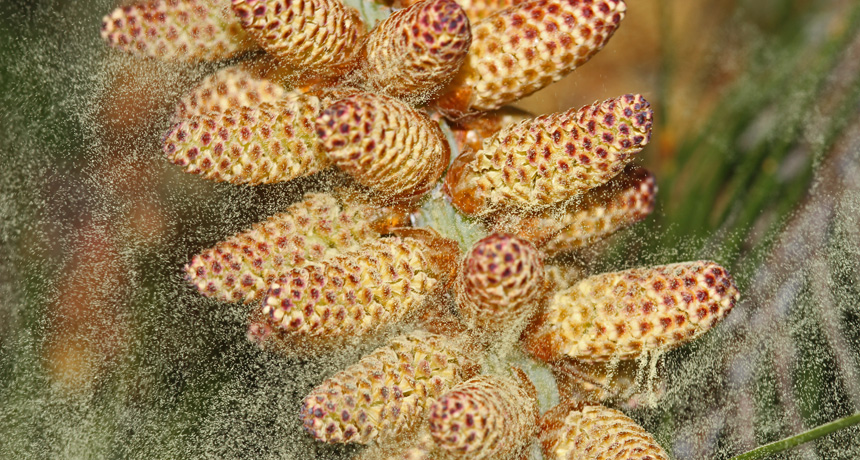
Web searches about runny noses and allergy medications can help researchers track changes in pollen count, new research suggests.
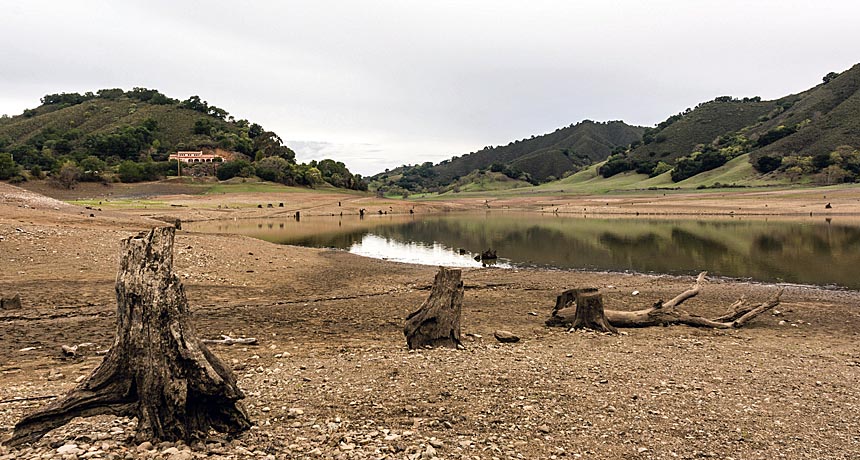
The extreme winds blamed for putting the brakes on global warming may also have contributed to the record-setting drought currently parching the southwestern United States, suggests new research presented January 5 at the American Meteorological Society’s annual meeting.
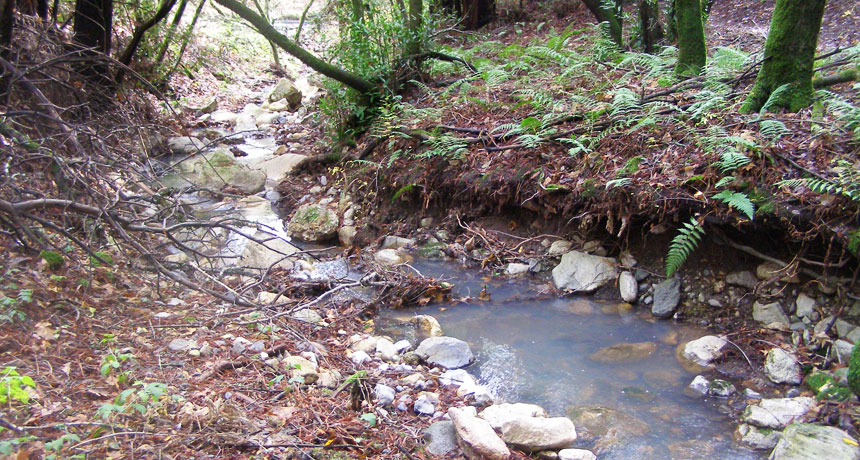
The South Napa earthquake that rattled Northern California in August shook roughly a billion liters of groundwater out of nearby hills, new research suggests.

When Typhoon Haiyan made landfall in the Philippines in November 2013, its waves shoved a boulder weighing more than 25 adult African elephants. The boulder is the most massive known rock shifted by a storm, geoscientist Max Engel of the University of Cologne in Germany reported December 16 at the American Geophysical Union’s fall meeting.

Three inmates who escaped from Alcatraz in 1962 and set off into the San Francisco Bay on a makeshift raft could have safely reached shore if they timed their escape just right, new research suggests.