Mathematician Alex Barnett Joins CCB as Leader of Numerical Algorithms Group

Simons Foundation, October 2017

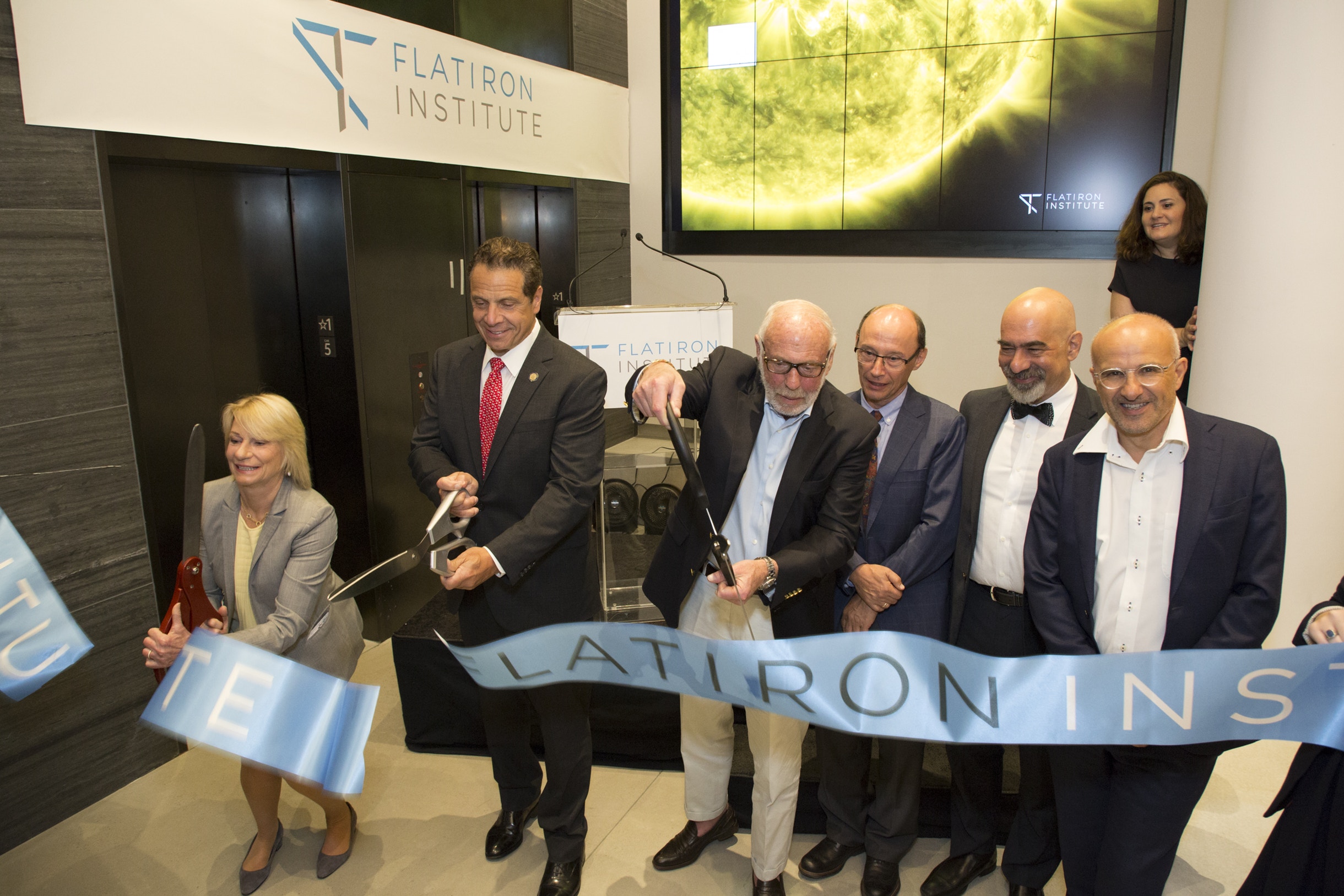
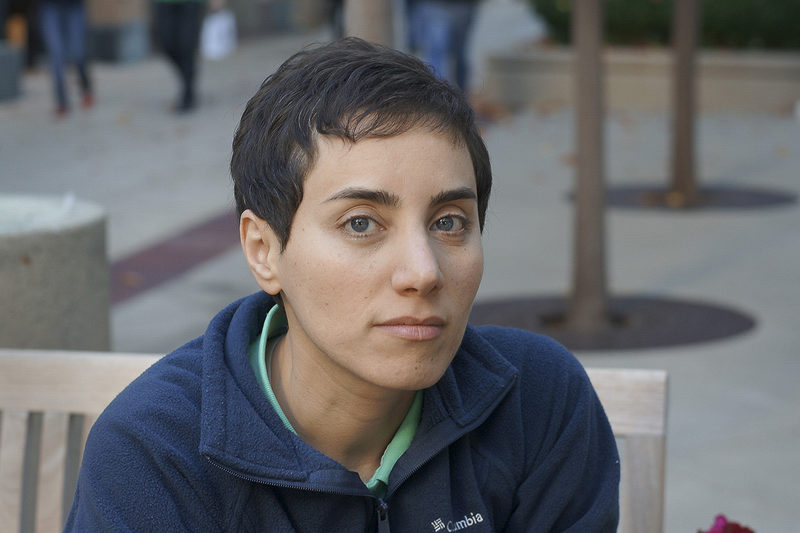
The Flatiron Institute is delighted to announce that Alex Barnett has joined the Center for Computational Biology (CCB) as group leader for the Numerical Algorithms group. Barnett is an applied mathematician and numerical analyst and has been a member of the Dartmouth College faculty since 2005. He obtained his Ph.D. in physics at Harvard University and completed a postdoctoral fellowship in radiology at Massachusetts General Hospital in Boston and a Courant instructorship at New York University.

The Eternal Sky, Part 2: The Hunt for Inflation

Simons Foundation, October 2017

From an observatory perched high in the Chilean mountains, scientists hope to uncover what happened during the tiniest fraction of a second following the birth of the universe. Their search could lend further support to the Big Bang theory or open the door to alternative origin theories.

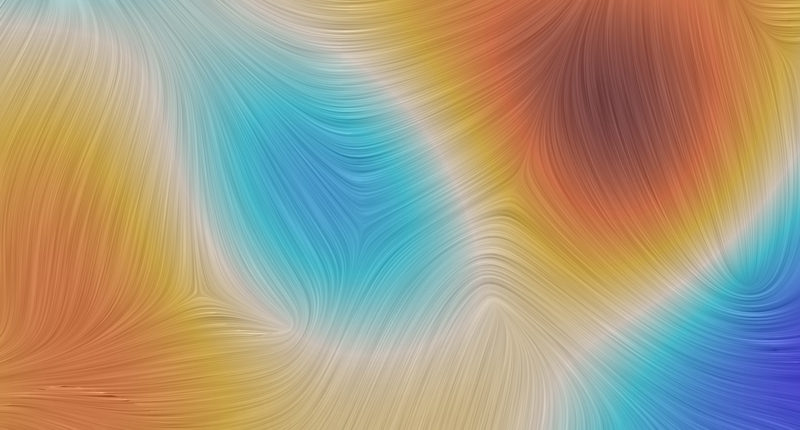
Short blurb for the latest installment of a video series on the Simons Observatory.

Astrophysicist Yuri Levin Heads CCA’s New Compact Objects Research Group

Simons Foundation, September 2017

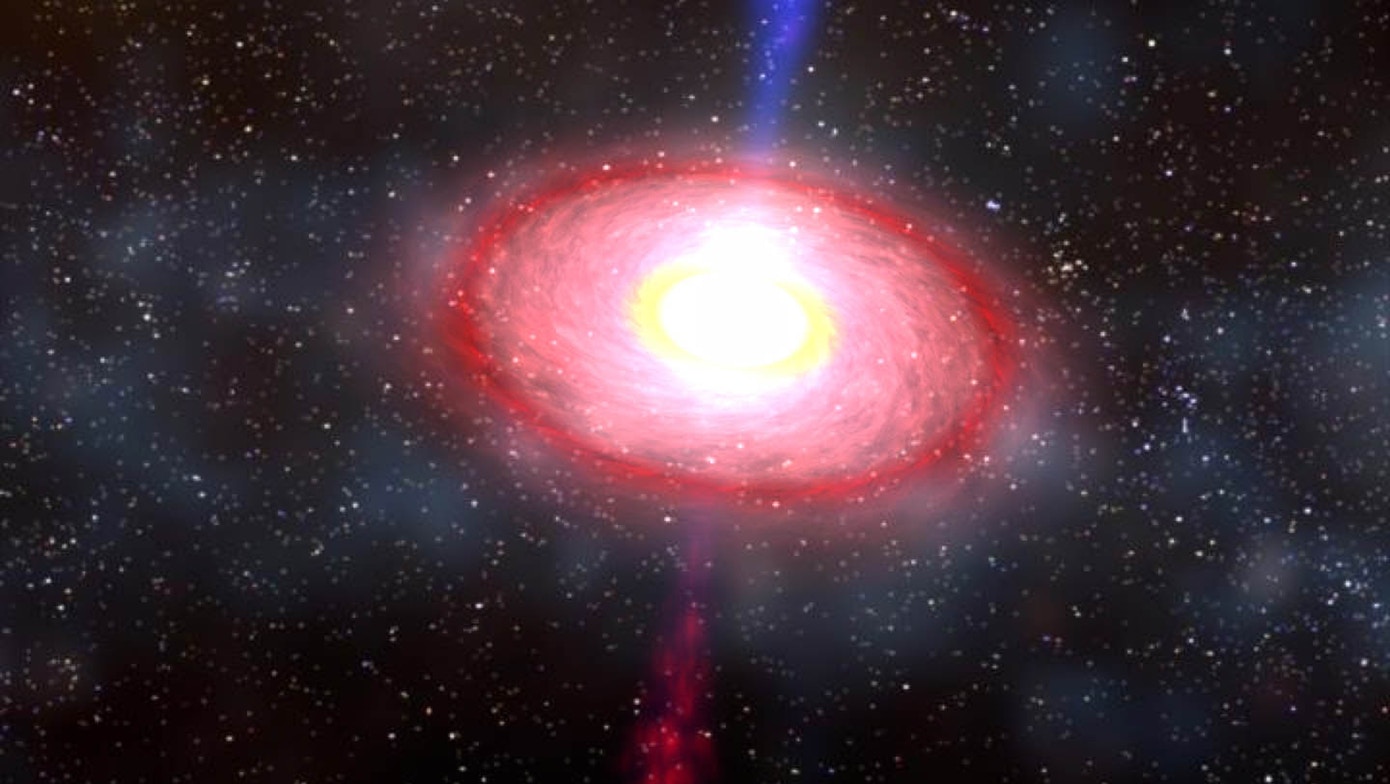
The Simons Foundation is pleased to announce a new research group within the Flatiron Institute’s Center for Computational Astrophysics (CCA). Led by astrophysicist Yuri Levin, the Compact Objects group will explore the physics underlying gravitational waves and relatively compact astronomical objects, such as neutron stars and supermassive black holes.

Why you can hear and see meteors at the same time

Science News, June 2017

For centuries, skywatchers have reported seeing and simultaneously hearing meteors whizzing overhead, which doesn’t make sense given that light travels roughly 800,000 times as fast as sound. Now scientists say they have a potential explanation for the paradox.

New Collaboration on Theory of Microbial Ecosystems Launched

Simons Foundation, May 2017

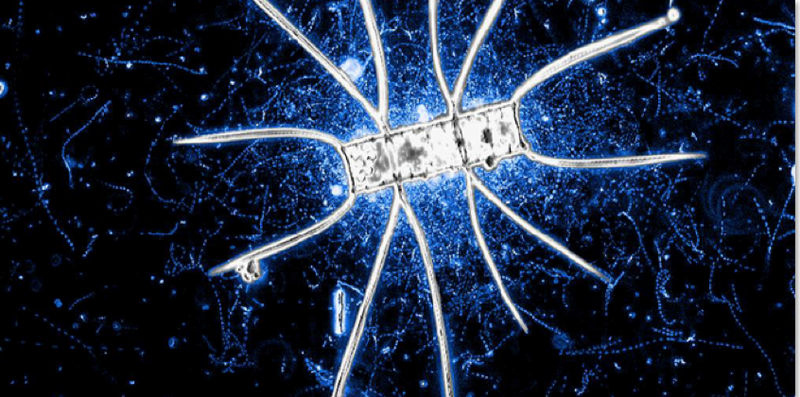
The Simons Foundation has established a new collaboration investigating the mysteries of nature’s smallest communities. Called the Simons Collaboration on Theory of Microbial Ecosystems, or THE-ME, it is an at least five-year undertaking that will investigate how microbial ecosystems in the oceans form and function.

Ice particles shaped like lollipops fall from clouds

Science News, May 2017

Right now, somewhere in the world, it could be raining lollies. A 2009 research flight through clouds above the British Isles gathered ice particles with an unusually sweet look. Each millimeter-sized particle consisted of a stick-shaped piece of ice with a single water droplet frozen on the end, giving it the appearance of a lollipop. Atmospheric scientist Stavros Keppas of the University of Manchester in England and colleagues report the discovery of the atmospheric confections in a paper to be published in Geophysical Research Letters.