Asteroid barrage, ancient marine life boom not linked
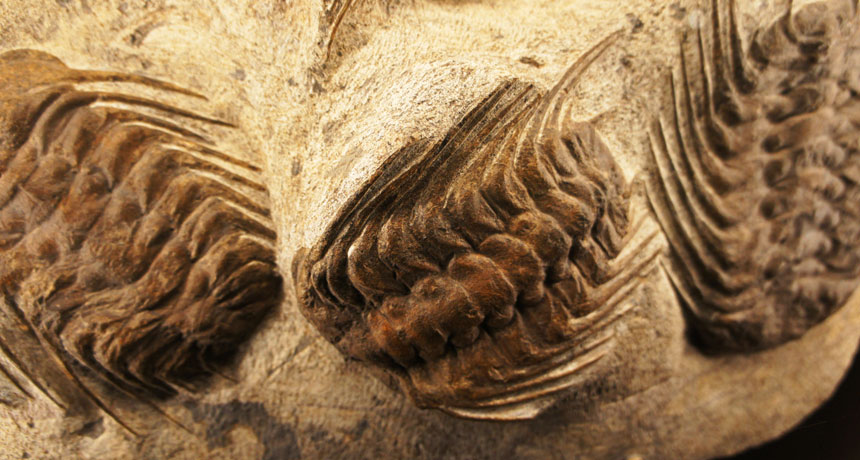
Science News, January 2017An asteroid bombardment that some say triggered an explosion of marine animal diversity around 471 million years ago actually had nothing to do with it.
An asteroid bombardment that some say triggered an explosion of marine animal diversity around 471 million years ago actually had nothing to do with it.
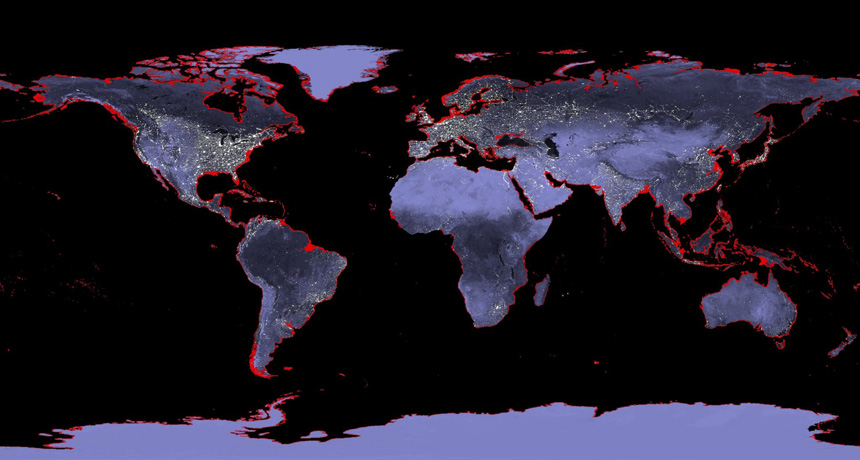
The last time Earth’s thermostat was cranked as high as it is today, sea levels were high enough to completely drown New Orleans (had it existed at the time), new research suggests.
Syndicated to Business Insider.
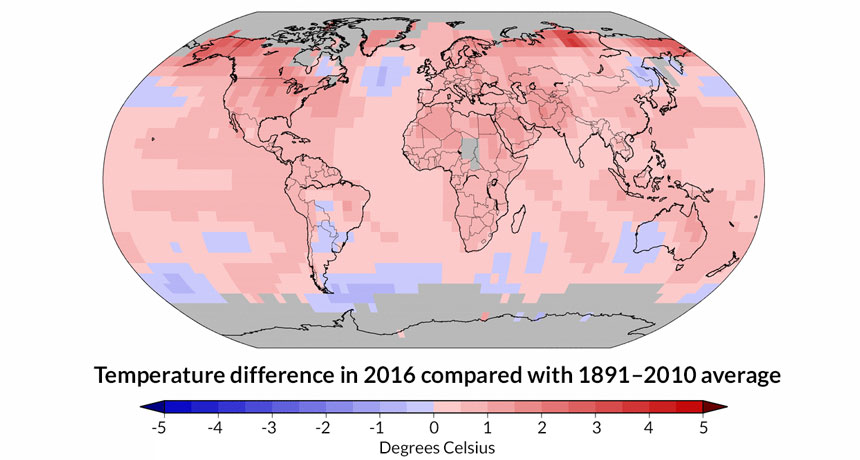
For the third year running, Earth’s thermostat broke a new record: 2016 was the warmest year since record-keeping began in 1880.
Adapted for Science News for Students.
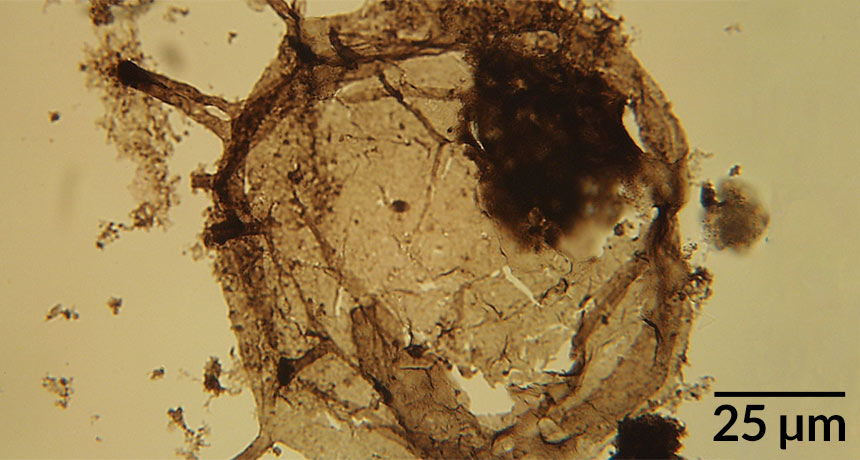
Earth was momentarily ripe for the evolution of animals hundreds of millions of years before they first appeared, researchers propose.
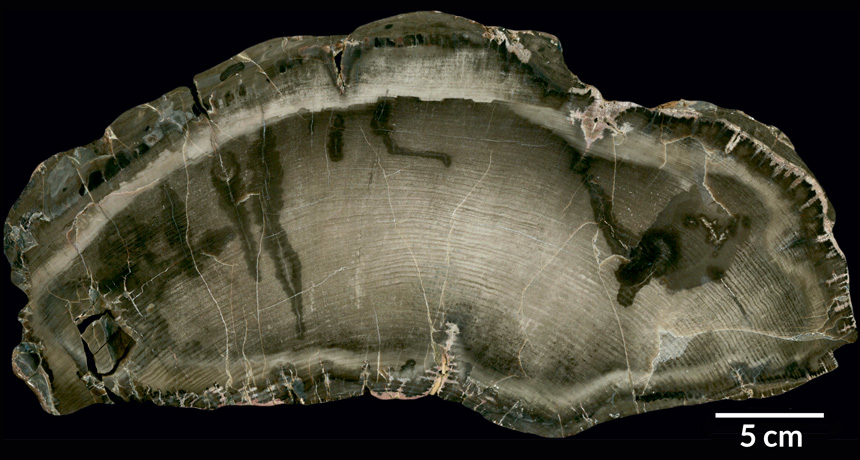
The sun has been in the same routine for at least 290 million years, new research suggests.
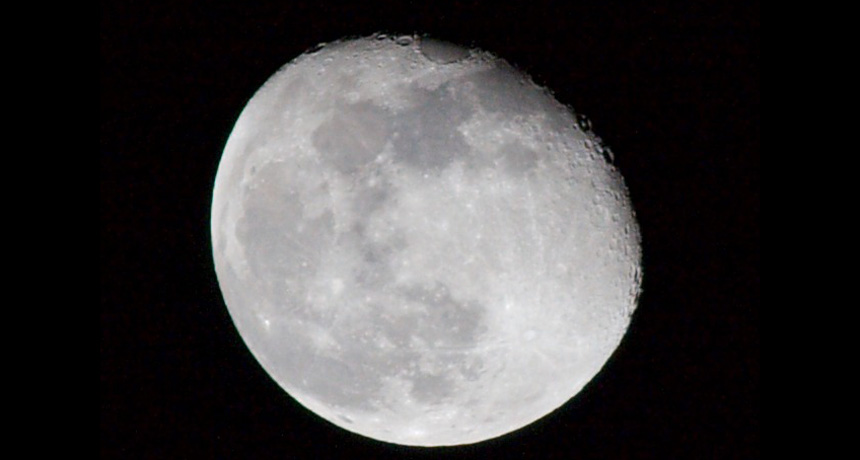
The moon is made of moons, new simulations suggest. Instead of a single colossal collision forming Earth’s cosmic companion, researchers propose that a series of medium to large impacts created mini moons that eventually coalesced to form one giant moon.
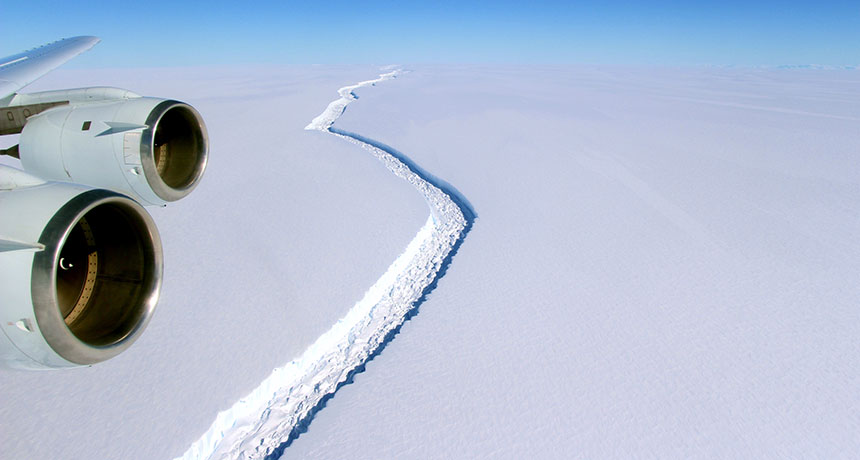
One of Antarctica’s largest ice shelves is nearing its breaking point, scientists warn. A colossal crack in the Larsen C ice shelf abruptly grew by 18 kilometers during the second half of December 2016, members of the Antarctic research group Project MIDAS reported January 5. The crack is now only about 20 kilometers away from reaching Larsen C’s edge and snapping off a hunk of ice the size of Delaware.
Adapted for Science News for Students.
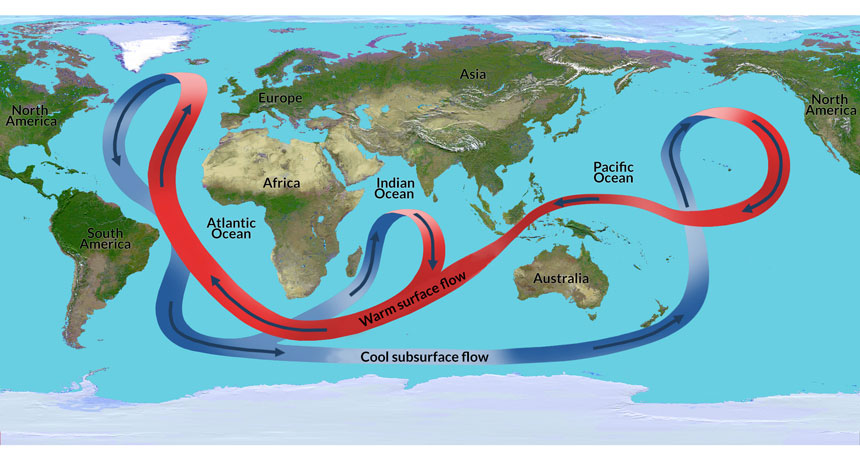
Spewing too much carbon dioxide into the atmosphere could shut down the major ocean current that ferries warm water to the North Atlantic, new climate simulations suggest. While not as extreme as the doomsday scenario portrayed in the movie The Day After Tomorrow, such a shutdown could cause wintertime temperatures to plummet by an estimated 7 degrees Celsius or more in northwestern Europe and shift rainfall patterns across the globe.
Adapted for Science News for Students.
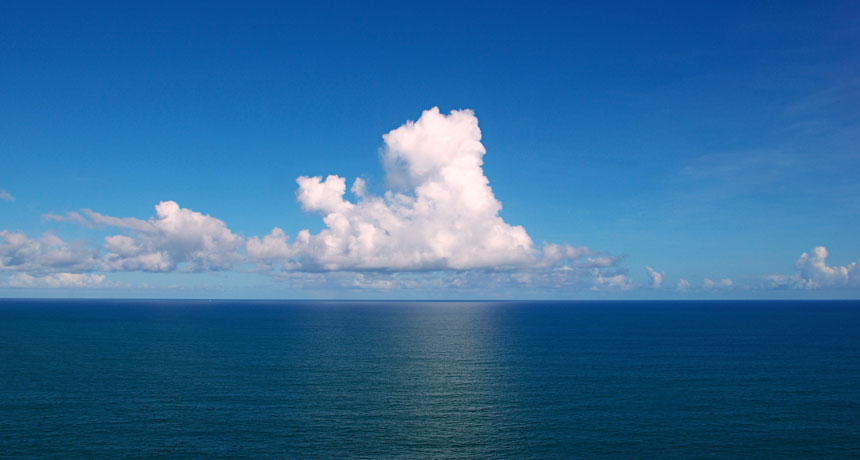
Earth may have been a water world for much of its history, a new proposal contends. Just like in the Kevin Costner movie, the continents would have been mostly submerged below sea level. Previous proposals have suggested that Earth’s land area has remained comparatively unchanged throughout much of geologic time.
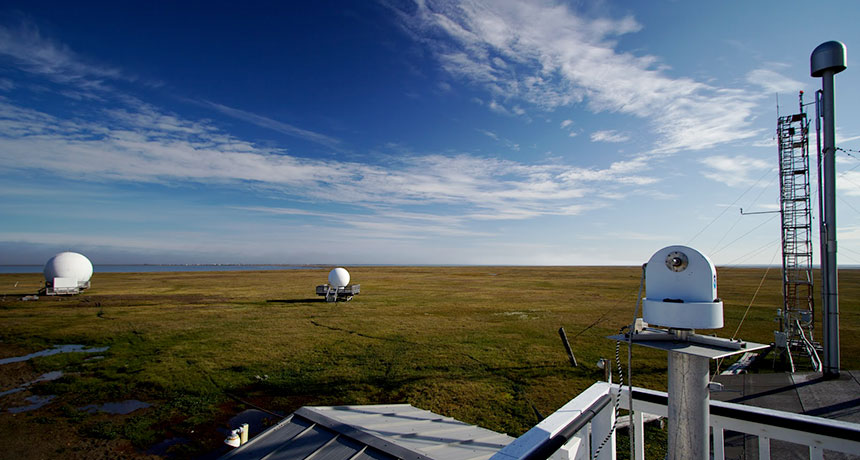
One climate doomsday scenario can be downgraded, new research suggests.