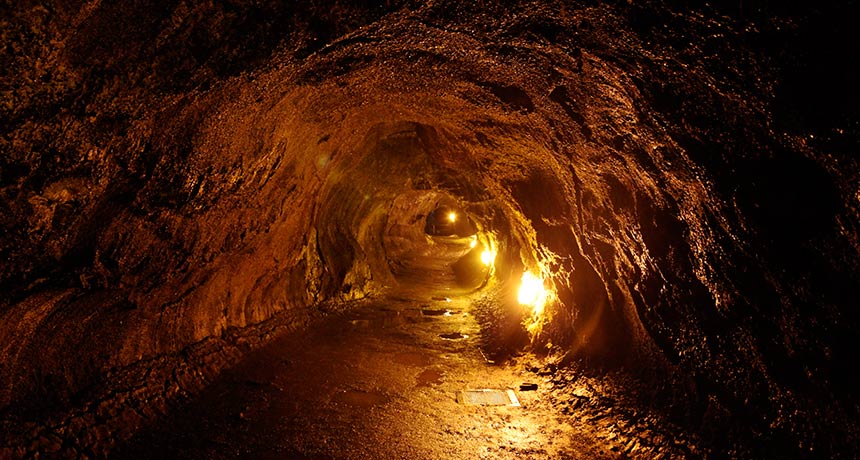
Moon’s lava tubes could be colossal
Science News, December 2016Future moon colonies could be totally tubular.
Future moon colonies could be totally tubular.
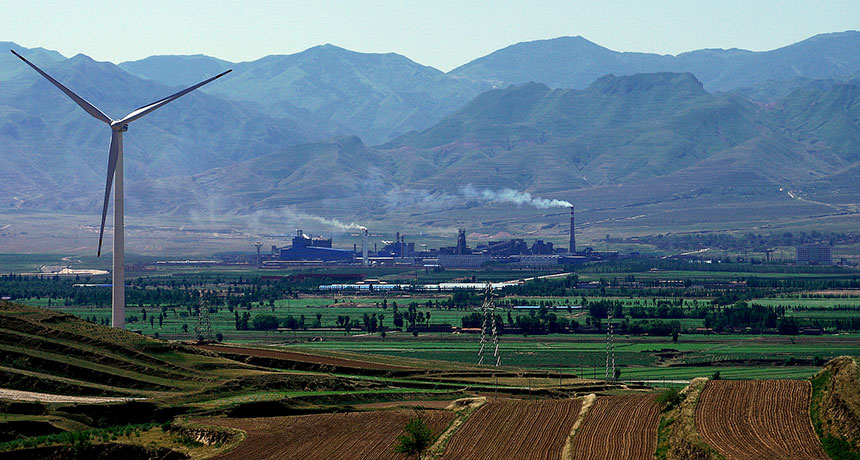
Global emissions of carbon dioxide won’t increase much in 2016 despite overall economic growth, newly released bookkeeping suggests. The result marks a three-year-long plateau in the amount of CO2 released by human activities, scientists from the Global Carbon Project report November 14 in Earth System Science Data.
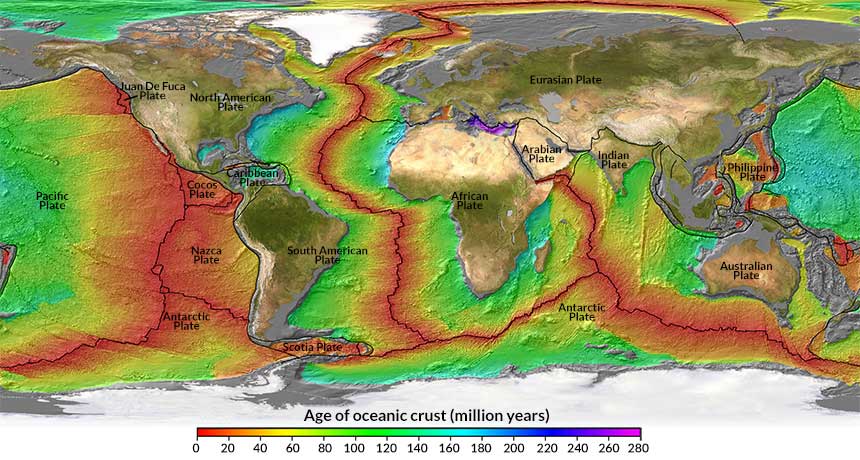
Earth’s innards are cooling off surprisingly fast.
In a hotel ballroom in Seoul, South Korea, early in 2016, a centuries-old strategy game offered a glimpse into the fantastic future of computing.
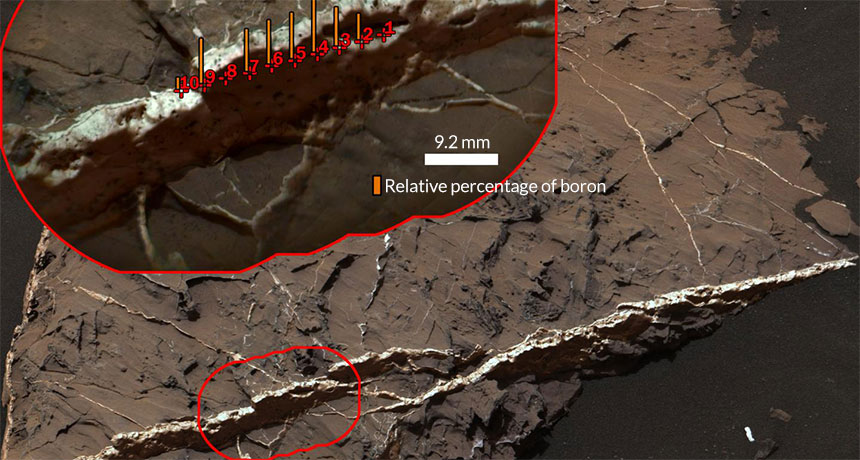
A new element has been found in Mars’ chemical arsenal.
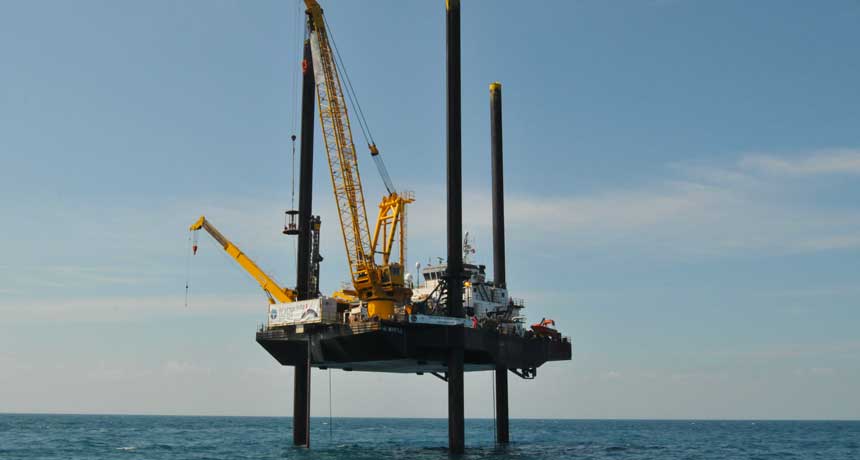
The first post-apocalypse tenants of ground zero of the dinosaur extinction didn’t waste much time moving in.
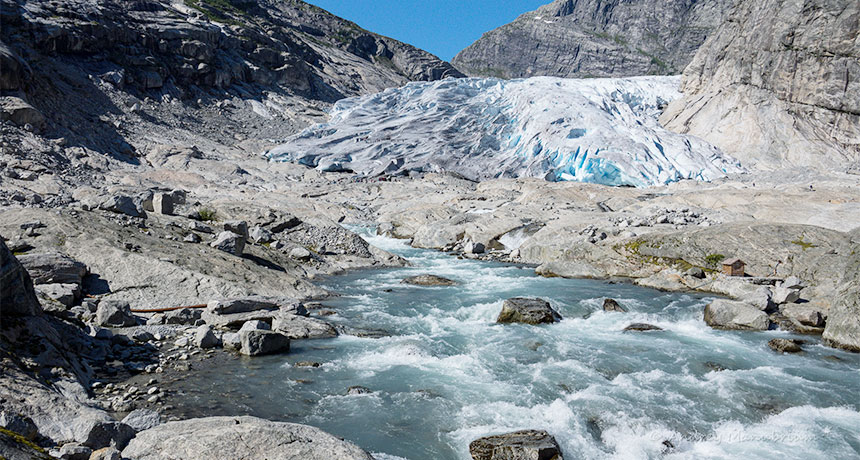
The decades-long dwindling of glaciers is “categorical evidence of climate change,” a new study affirms
Adapted for Science News for Students.
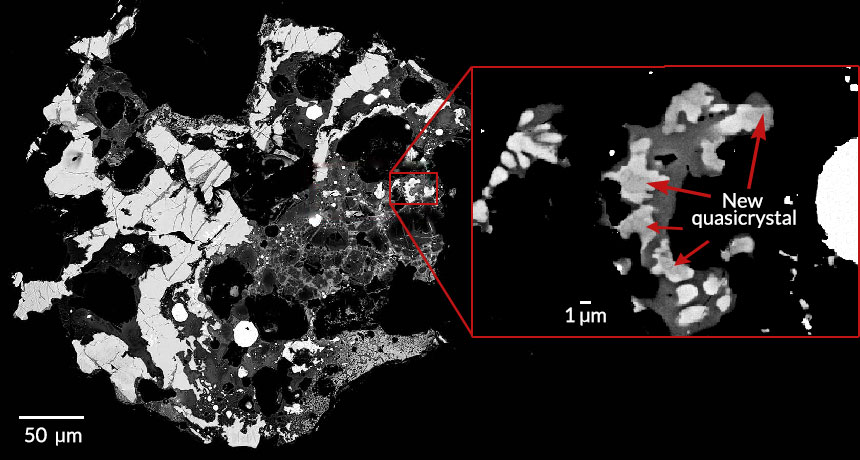
Another “impossible” crystal has been found locked inside a Russian meteorite.
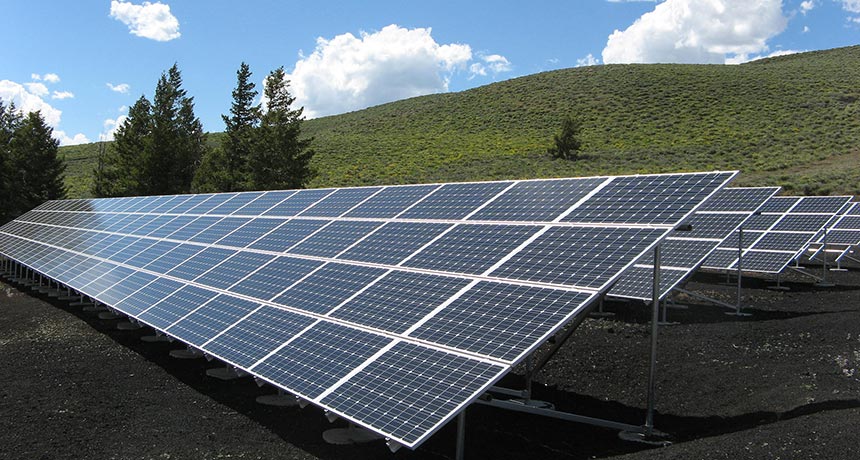
The solar panel industry has nearly paid its climate debt. The technology will break even in terms of energy usage by 2017 and greenhouse gas emissions by 2018 at the latest, if it hasn’t done so already, researchers calculate.
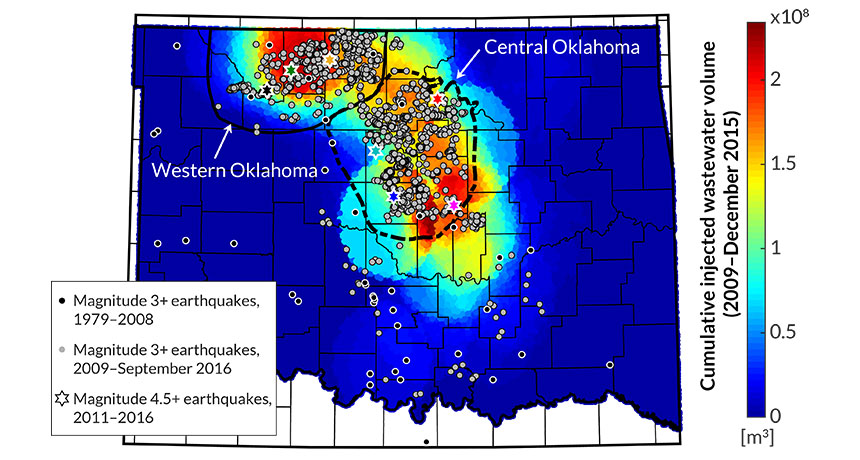
New wastewater disposal regulations in Oklahoma will be enough to steady the state’s shaky ground, new research predicts.