195 nations approve historic climate accord

Science News, December 2015

Following late-night negotiations and years of anticipation, delegates from 195 countries have agreed to curb the worst effects of climate change by limiting warming to “well below” 2 degrees Celsius. The agreement, the result of an international climate summit outside Paris and approved December 12, aims to be the world’s roadmap to kicking the fossil fuel habit, with a possibility of an even more ambitious 1.5-degree goal in the future.

Gooey rock in mantle thickens 1,000 kilometers down

Science News, December 2015

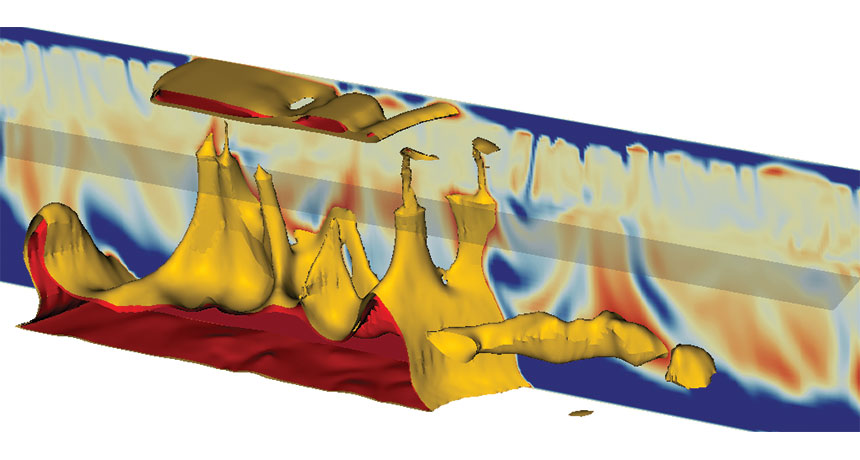
A sixth of the way to the center of the Earth, things get goopy. Using variations in the planet’s gravitational tug, geophysicists have discovered that the viscosity of Earth’s mantle rapidly increases about 1,000 kilometers below ground.

Global carbon emissions fell in 2015, despite economic growth

Science News, December 2015

Society’s oversized carbon footprint shrank slightly in 2015, a new bookkeeping of greenhouse gas emissions suggests. If confirmed, the 0.6 percent reduction marks the first drop in carbon emissions since the 2008–2009 financial crisis and the first decrease ever during a period of economic growth, researchers from the Global Carbon Project report December 7 in Nature Climate Change.

Classifying the geometry of snowflakes highlights their beauty and diversity

Science News, November 2015

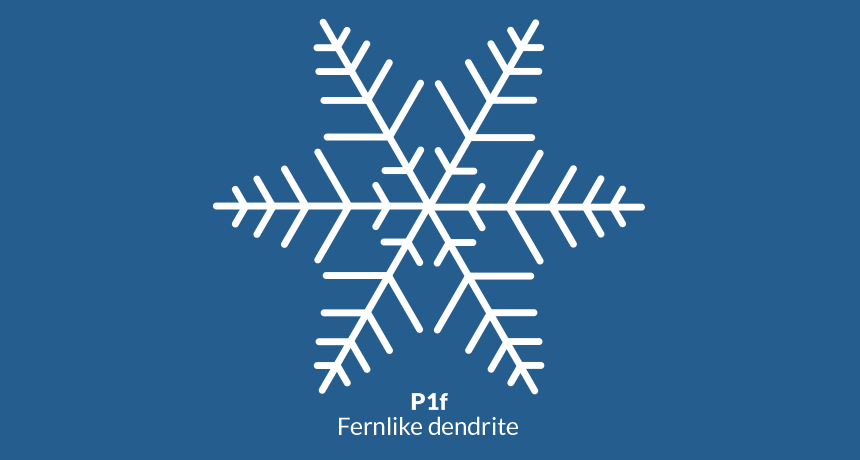
As snowflakes gently meander past your living room window this winter, take a break from your hot cocoa and consider nature’s ice-cold architecture. When water molecules chill down, they assemble into a myriad of spectacular shapes from simple hexagons to star-shaped dendrites. Inspect these frozen fractals and you’ll find a recurring theme: the number six. Six sides, six edges, six branches — ice crystals seem six obsessed.

Geoengineering is world’s last hope, new book argues

Science News, November 2015

The plans sound like something out of the handbook of a James Bond villain: generate artificial volcanic eruptions, seed colossal clouds that shade the planet, cover the oceans in immense algal blooms visible from space. Despite seeming outrageous, such Earth-altering schemes, some argue, may be the only viable way to stave off threats posed by climate change.