Earth got first whiff of oxygen 3.2 billion years ago
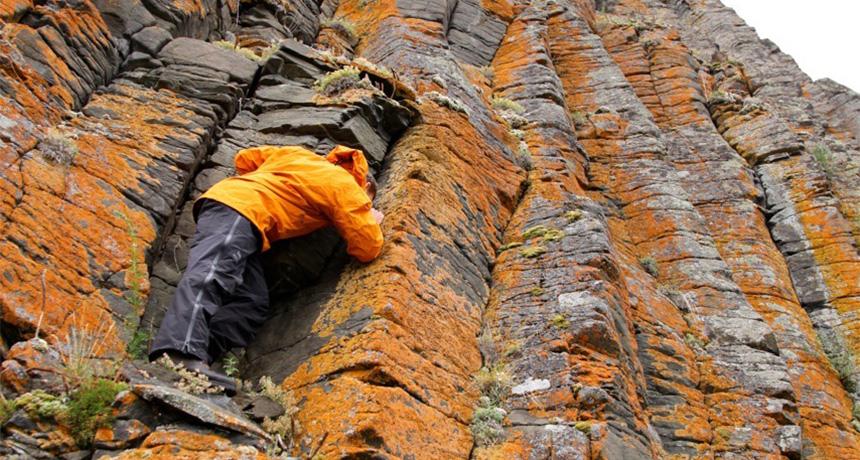
Science News, September 2015The first oxygen-producing life-forms appeared hundreds of millions of years earlier than previously known, new evidence suggests.
The first oxygen-producing life-forms appeared hundreds of millions of years earlier than previously known, new evidence suggests.
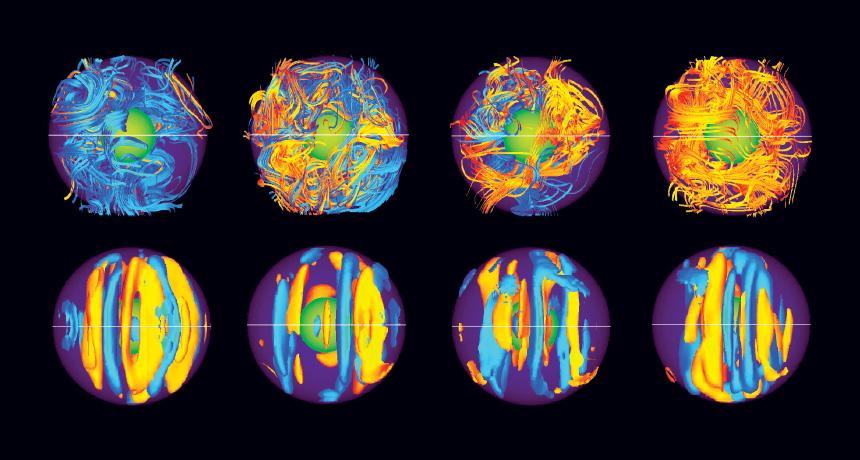
A powerful global magnetic field envelops Earth in a cozy blanket of protection against bursts of solar particles (see “The magnetic mystery at the center of the Earth“). But the solar system’s other rocky worlds aren’t so lucky.
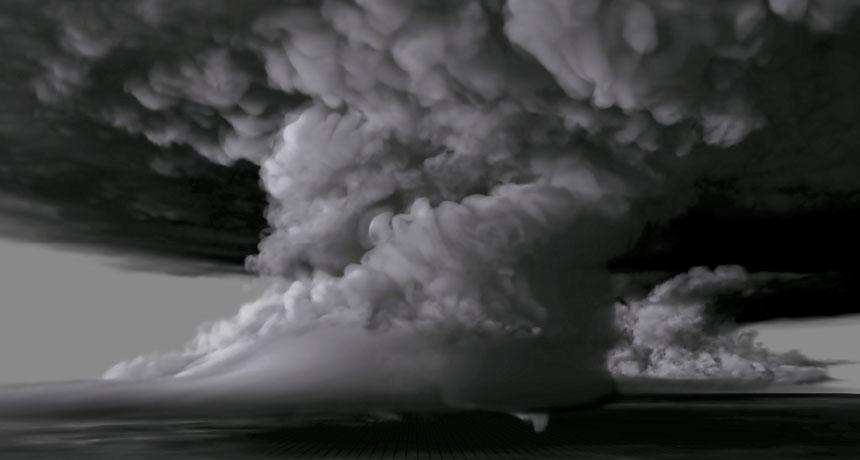
A rotating updraft within this 20-kilometer-high thunderstorm sired a violent tornado. The twister, which looks quite small compared with the rest of the towering storm, packed winds at over 320 kilometers per hour and left behind a long trail of devastation. Or it would have, had the storm been real.
Earth’s depths are a hellish place. More than 5,000 kilometers belowground, the iron-rich core scorches at temperatures comparable to the sun’s surface and crushes at pressures akin to the weight of 20 blue whales balanced on a postage stamp.
The biggest catastrophe in the history of life on Earth resulted from one of the most titanic volcanic outpourings on record, new research concludes.
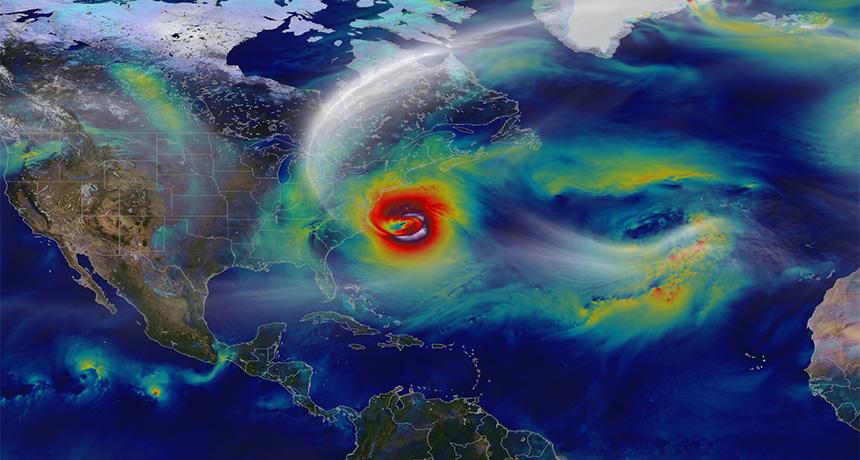
As Sandy raged, the ground trembled. Rumbles picked up by seismometers during Hurricane Sandy’s trip up the U.S. East Coast in 2012 originated from the storm’s eye, seismologists report in a paper to be published in the Journal of Geophysical Research: Solid Earth. Listening for these rumbles could help meteorologists remotely monitor air pressure changes inside hurricanes and better predict sudden increases in storm intensity, the researchers propose.
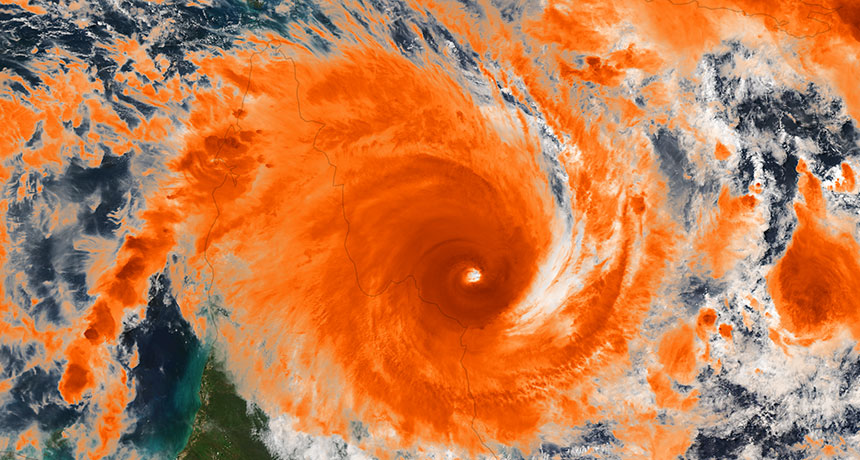
Ten years ago, the sea and sky rallied to unleash one of the worst natural disasters in U.S. history. During the 2005 Atlantic hurricane season, the most active season on record, 27 named storms —from Arlene to Zeta — swirled into existence. By far the most destructive was Hurricane Katrina.
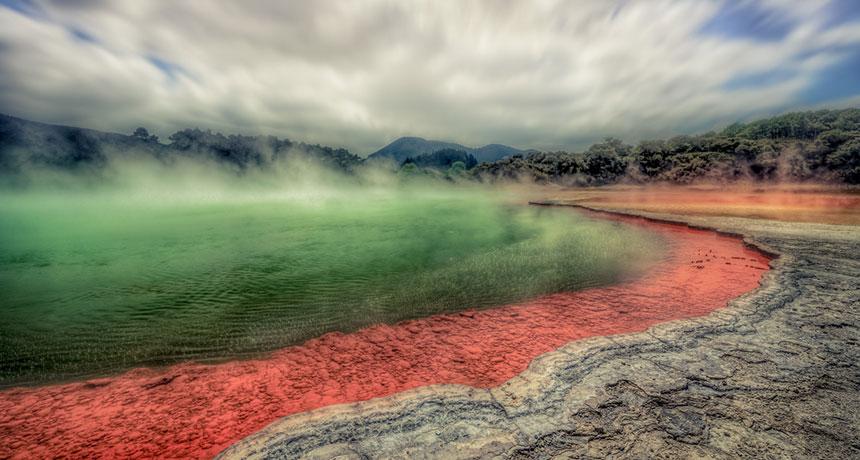
There’s gold in them thar volcanoes. Geoscientists have uncovered a mother lode of gold- and silver-enriched water in reservoirs inside a series of New Zealand volcanoes.
U.S. agriculture could reap big benefits from curbed carbon emissions. Such cuts would reduce the frequency and severity of future crop-parching droughts, saving American farmers billions of dollars annually by 2100, researchers calculate in the July issue of Weather, Climate and Society.
The April 25 Nepal earthquake killed more than 8,000 people and caused several billion dollars in damage, but new research suggests the toll could have been a lot worse.