Ocean current simulations could narrow Flight 370 search
Science News, August 2015A washed-up wing fragment near Madagascar could help narrow the search area for the Malaysia Airlines Flight 370 crash site, new ocean current simulations suggest.
A washed-up wing fragment near Madagascar could help narrow the search area for the Malaysia Airlines Flight 370 crash site, new ocean current simulations suggest.
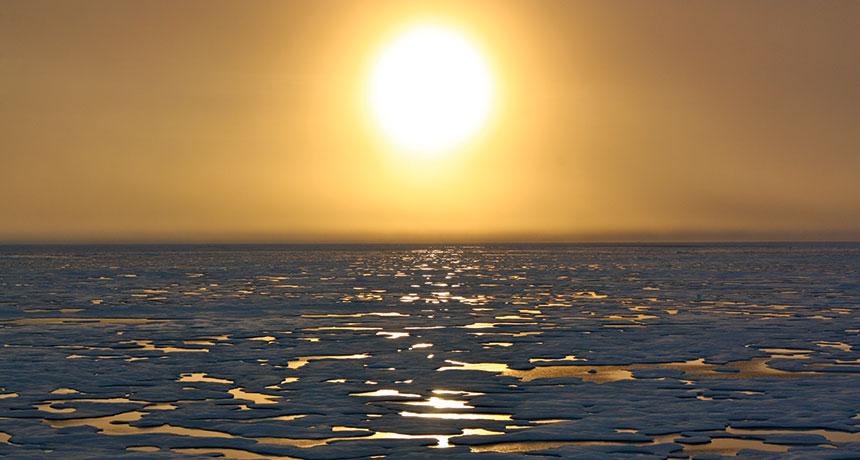
Santa Claus could be treading water sooner than thought. An improved forecast of Arctic sea ice coverage predicts that the region will have its first ice-free summer almost a decade earlier than previously projected.
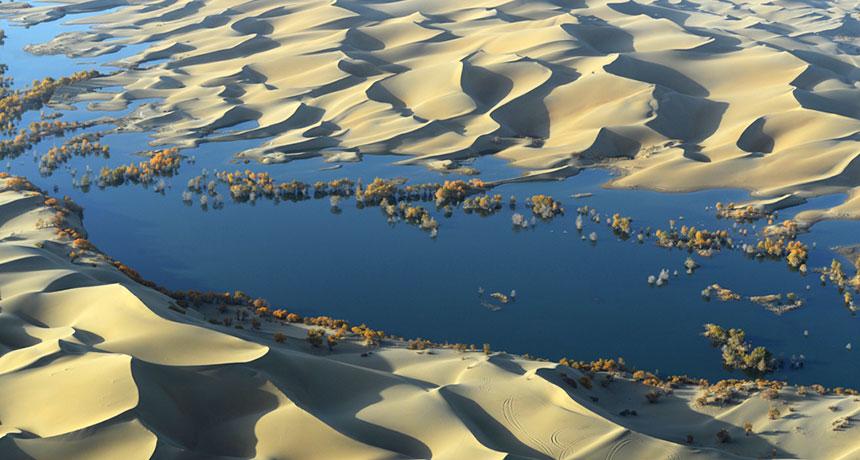
The wet undersides of deserts may stash as much as a trillion metric tons of climate-altering carbon, more than stored in all land-based plants, new research suggests.
Adapted for Science News for Students. Featured in the Sacramento Bee.
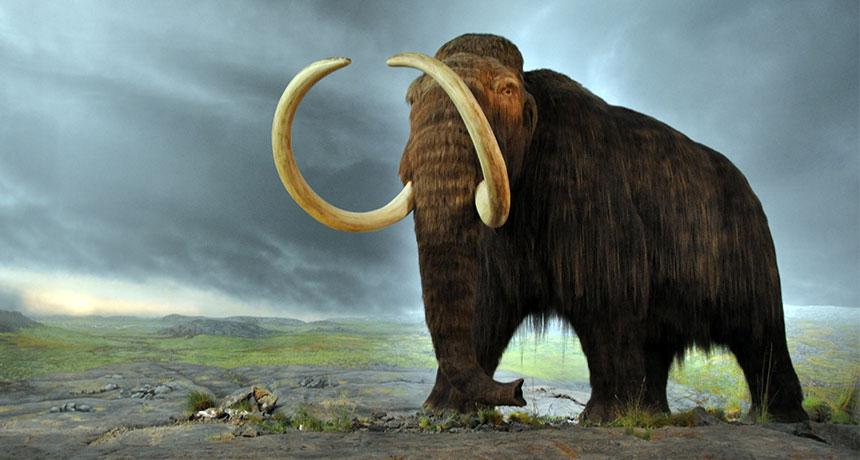
Rapid climate change put mega-sized Ice Age mammals on the ropes before ancient humans delivered the final blow, new research indicates.
The accuracy of carbon dating may soon be a thing of the past. Carbon emissions from burning fossil fuels threaten the method’s ability to definitively pinpoint the age of organic materials, new research suggests. The extra carbon flooding the atmosphere dilutes the relative number of radioactive carbon atoms that are vital to the dating method. By 2050, the age of fresh organic matter will appear indistinguishable from material created in A.D. 1050, predicts Heather Graven, an atmospheric scientist at Imperial College London.
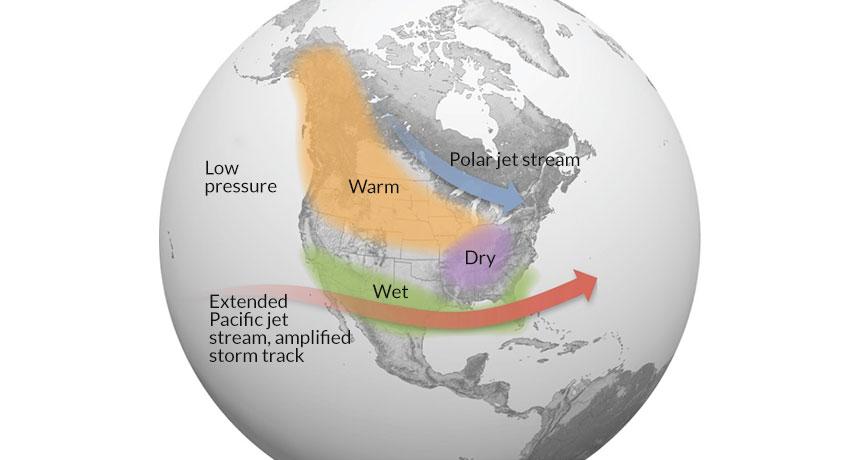
Climate’s “little boy” is back in a big way. El Niño, a weather disruption caused by unusually warm seawater in the eastern Pacific, kicked off in March and could become a whopper, the National Oceanic and Atmospheric Administration’s Climate Prediction Center reported July 9. The agency predicts that El Niño conditions have a more than 90 percent chance of continuing through the Northern Hemisphere winter and around an 80 percent chance of sticking around through spring.
Adapted for Science News for Students.
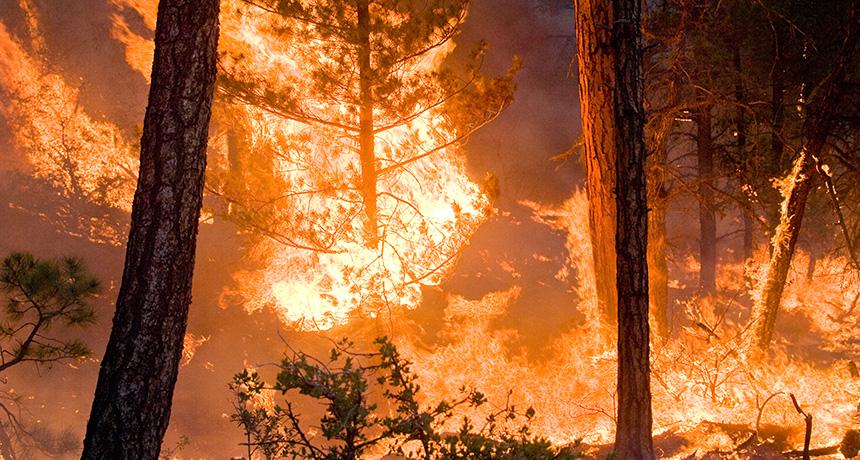
Climate change is setting the world on fire. Between 1979 and 2013, the duration of wildfire seasons increased across 25.3 percent of Earth’s vegetated surface, with net gains on every continent except Australia and Antarctica, researchers report online July 14 in Nature Communications.
Scientists think they’ve figured out why Greenland’s climate is out of sync with the rest of the Northern Hemisphere — but they had to go way back in time to find the proposed culprit.
Plate tectonics doesn’t rumple the surfaces of Earth’s supersized cousins, new research suggests.
Adapted for Science News for Students.