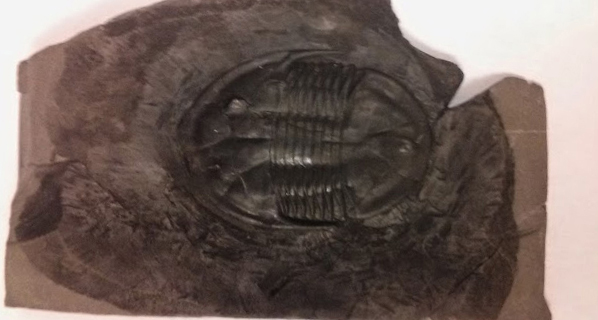
Some trilobites sported dual digestive tracts
Science News, October 2014Some trilobites scurrying across the seafloor around 500 million years ago probably sported two-lane digestive tracks, new research shows.
Some trilobites scurrying across the seafloor around 500 million years ago probably sported two-lane digestive tracks, new research shows.
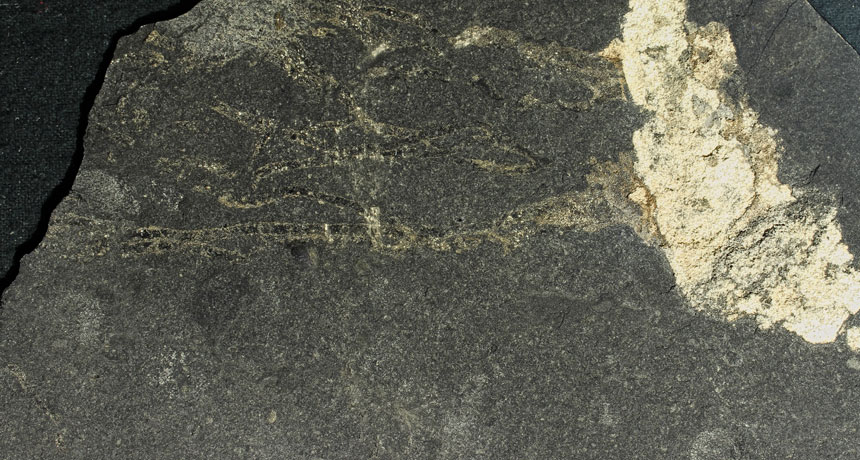
Tentacle-draped jellyfish might seem odd, and their deaths can be even weirder. Paleontologist Graham Young of the Manitoba Museum in Winnipeg reconstructed the bizarre final moments of an ancient jellyfish entombed for roughly 310 million years inside a black shale slab in Indiana.
Adapted for Science News for Students.
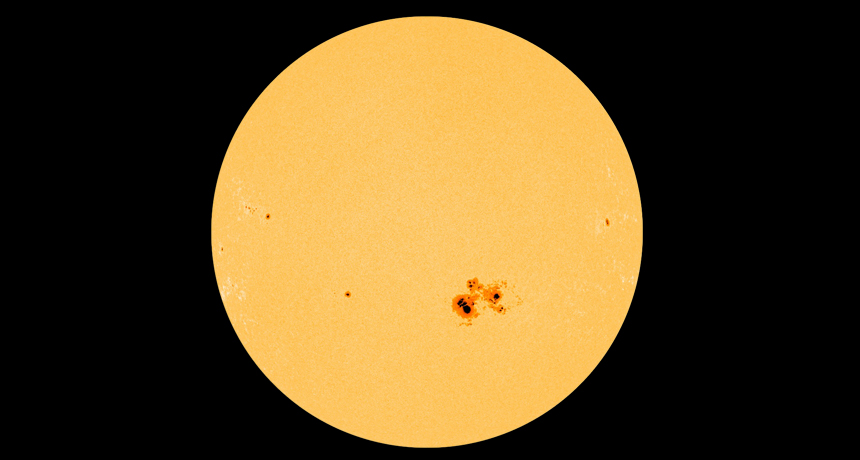
A colossal sunspot large enough to be seen with the naked eye now blemishes the nearside of the sun, covering an area wide enough to comfortably fit 10 Earths side by side. The new sunspot, dubbed AR 12192, is the largest observed since 1990.
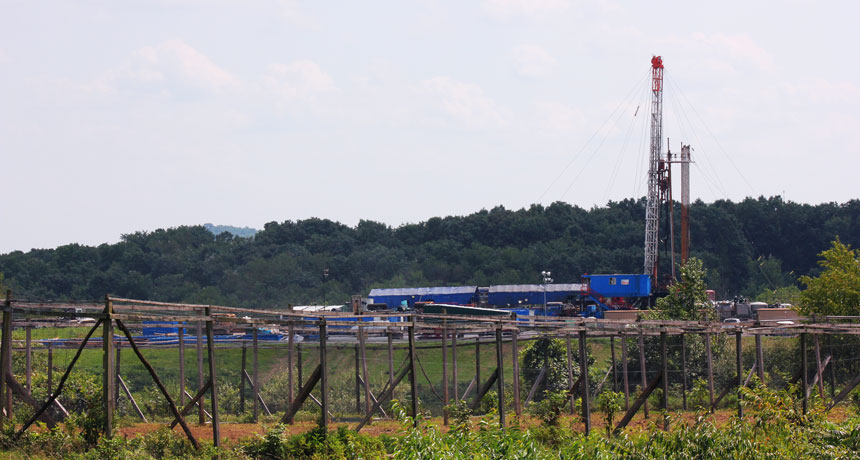
Fracking in Carroll County, the heart of Ohio’s natural gas boom, hasn’t contaminated groundwater, new research shows. The study is the first in the country to evaluate drinking water quality before and after the local onset of hydraulic fracturing, better known as fracking.
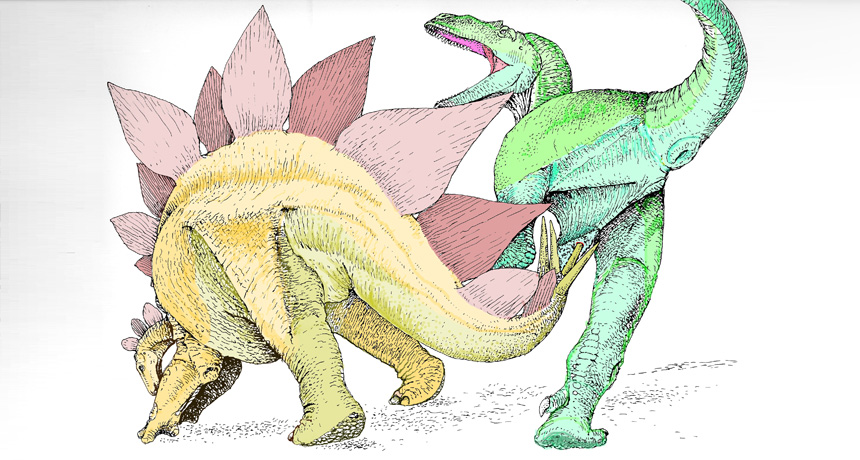
In a story worthy of CSI: Jurassic Period, researchers have solved the mystery of what killed a predatory allosaurus dinosaur 147 million years ago.

Raindrops have been caught breaking the speed limit. Using drizzle detectors, researchers discovered tiny raindrops falling more than 1.3 times as fast as terminal velocity, the speed at which air resistance cancels out gravitational pull.
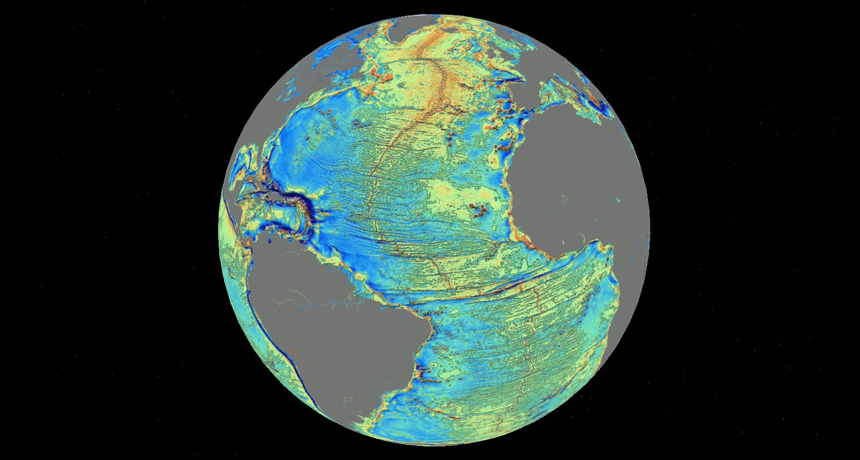
A new comprehensive map of Earth’s seafloor reveals never-before-seen features hidden deep below the waves, including thousands of uncharted underwater mountains. The map, presented in the Oct. 3 Science, is the most accurate global seafloor map ever made and could provide new clues to how Earth’s surface got its shape.
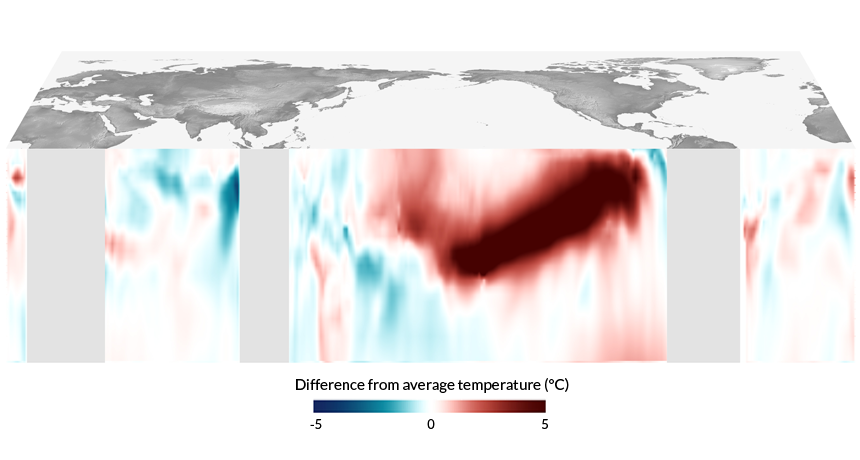
California won’t see hoped-for relief from drought this winter, scientists say, because El Niño is likely to be weak or nonexistent.
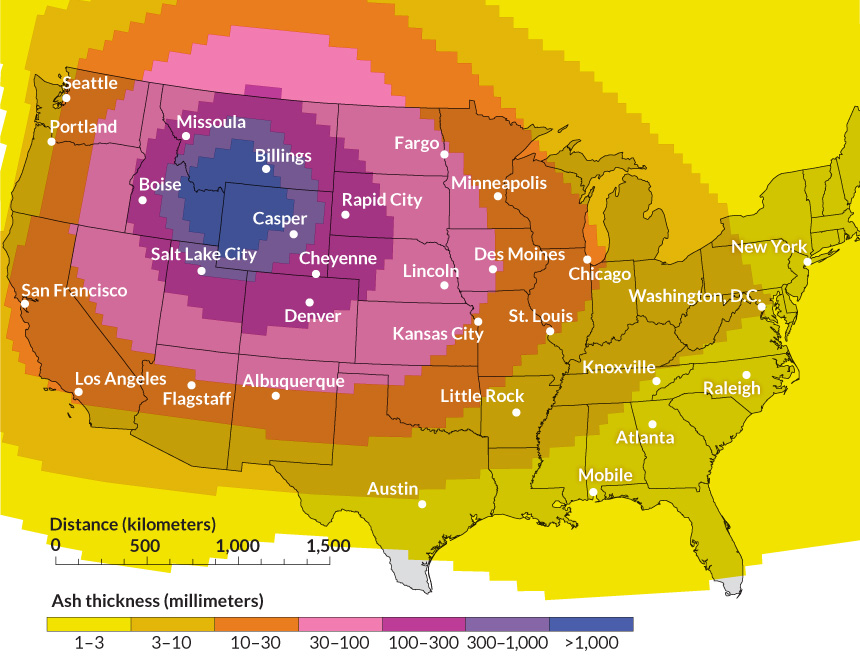
A new simulation illustrates the explosiveness of the volcano that lurks beneath Yellowstone National Park in Wyoming.
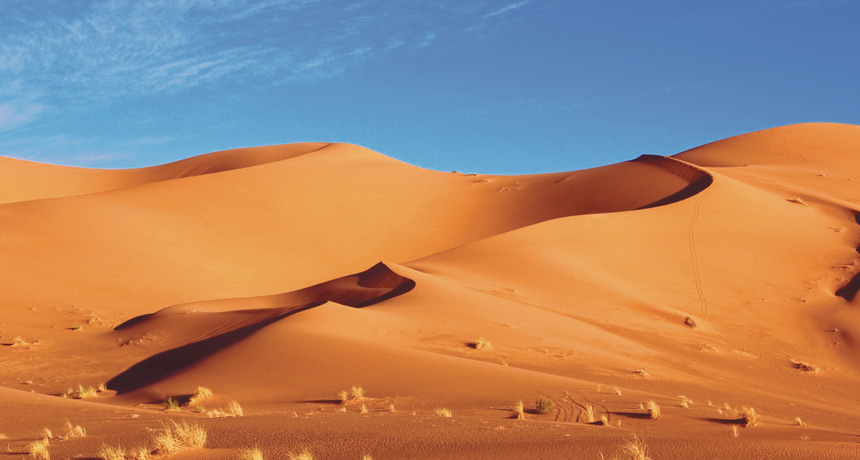
The Sahara Desert may be millions of years older than scientists thought, researchers report in the Sept. 18 Nature. The team’s climate reconstruction suggests that the desert formed 7 million years ago as the ancient forerunner of the Mediterranean Sea shriveled.