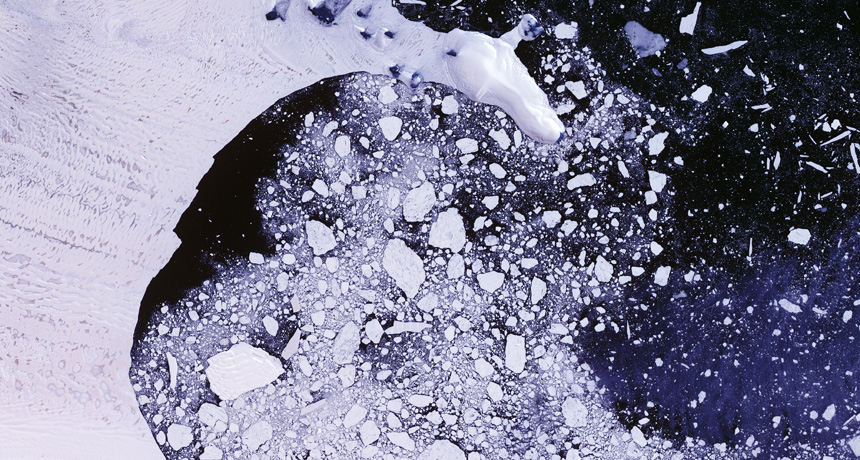
Warming alone triggered Antarctic ice shelf collapse
Science News, September 2014Balmy surface temperatures, not an unstable underbelly, probably prompted the largest ice shelf collapse ever recorded, researchers report in the Sept. 12 Science.
Balmy surface temperatures, not an unstable underbelly, probably prompted the largest ice shelf collapse ever recorded, researchers report in the Sept. 12 Science.
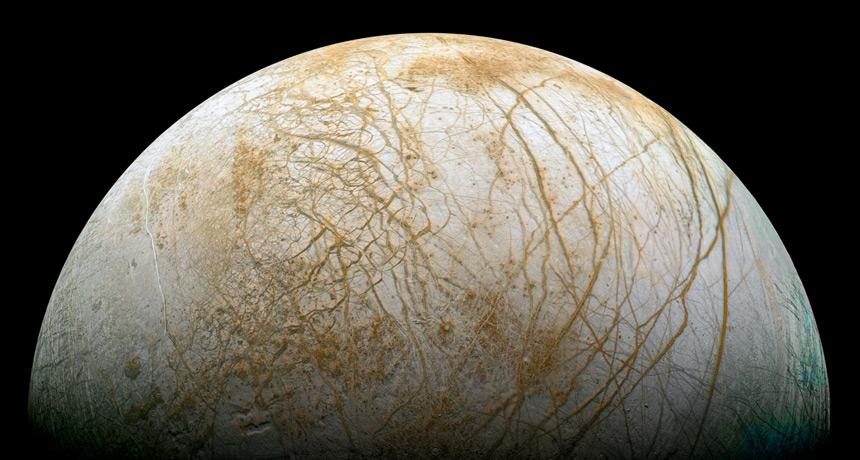
Plate tectonics churns the icy exterior of Jupiter’s moon Europa, researchers report September 7 in Nature Geoscience. The finding marks the first evidence of plate tectonics elsewhere in the universe.
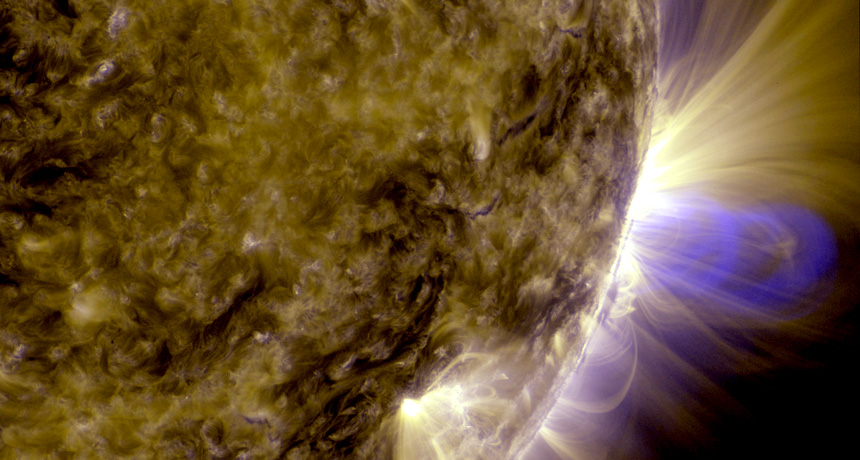
A twist on the sun is throwing solar scientists for a loop. For the first time, researchers have watched the sun’s magnetic field force plasma into a spring-shaped curl during a powerful solar eruption known as a coronal mass ejection, or CME.
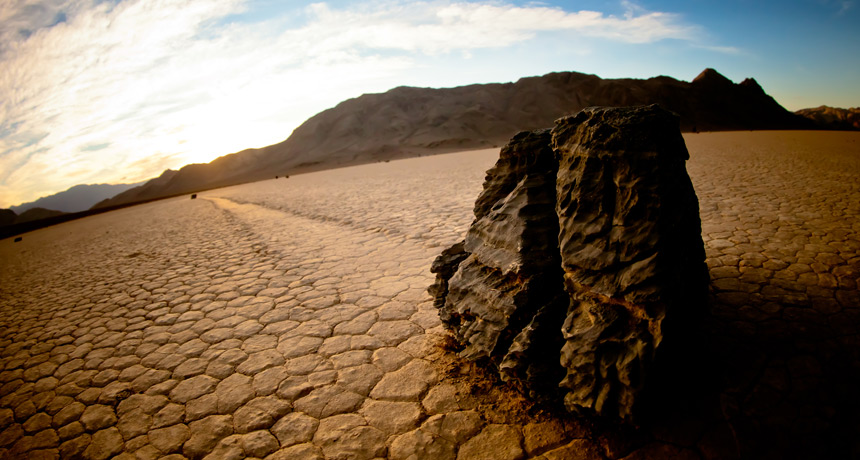
For nearly a century Death Valley’s dancing rocks have amazed visitors and stumped scientists. Despite etching trails longer than football fields into the dried mud, no one had ever seen the stones move.
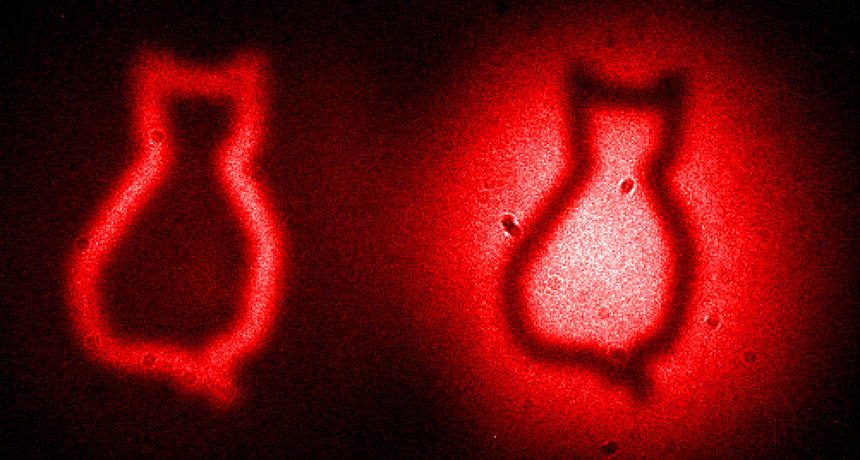
Exploiting the same quantum quirk that spawns Schrödinger’s undead cat in the famous thought experiment, a research team snapped a portrait of a cardboard cat without collecting any light bouncing off the two-dimensional kitty. This blind camera, comprising lasers and crystals, could help scientists illuminate microscopic worlds difficult to picture using existing techniques, the team reports in the Aug. 28 Nature.
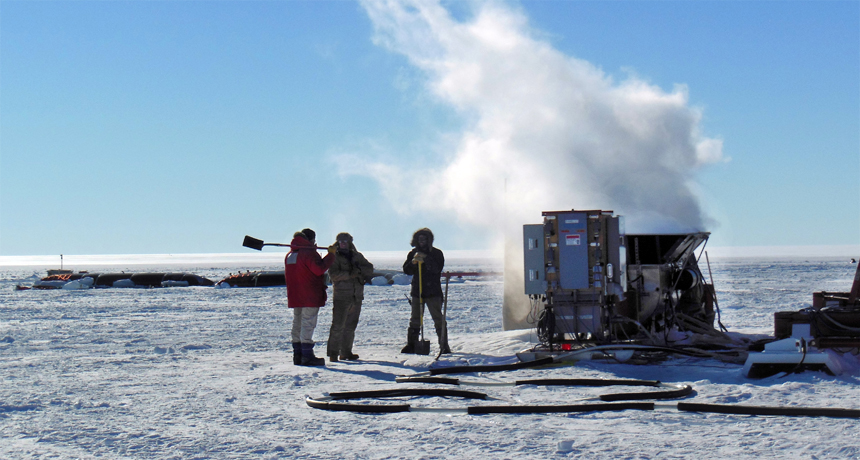
In January 2013, researchers pulled the first water samples from a dark, frigid lake sealed beneath the Antarctic ice sheet. Within hours, they announced they had found live cells in the water. Now after remaining tightlipped for 19 months, the team reports in the Aug. 21 Nature that the lake doesn’t just contain microbial life, it teems with it.
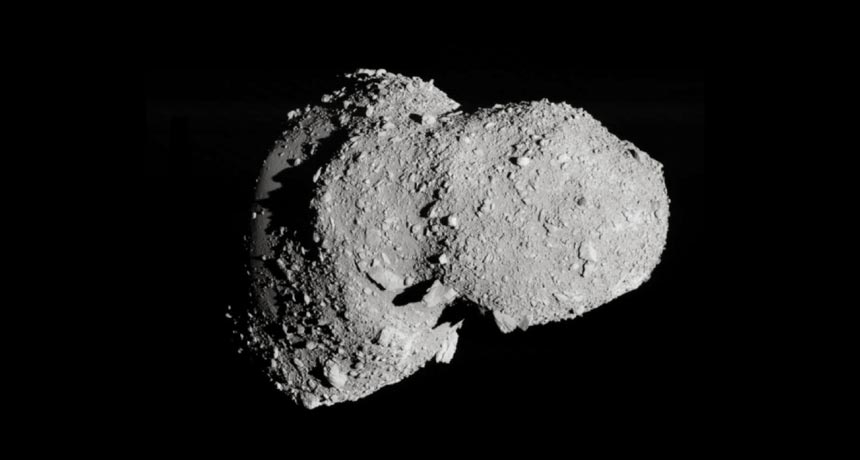
Brazil nut effect BRUH-zil nuht ih-fekt n. The phenomenon in which a mixture’s larger objects, such as Brazil nuts in a can of mixed nuts, rise to the top when the mix is shaken vertically. Some scientists think that smaller nuts slip into the spaces under the larger ones during each shake.
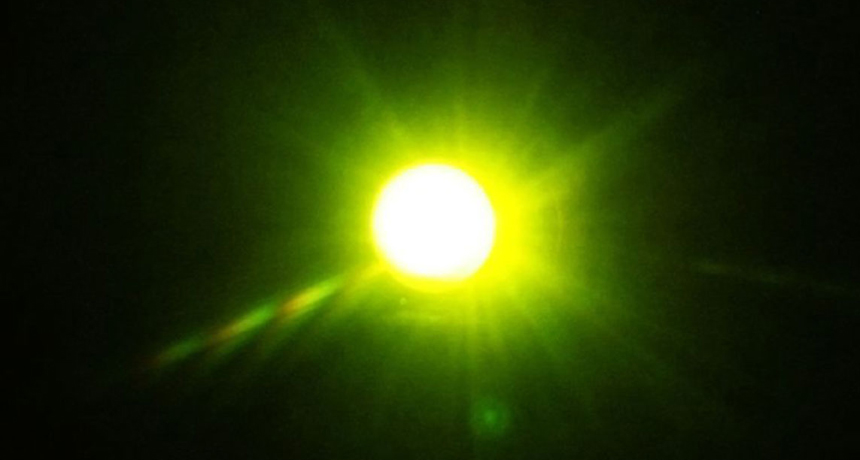
A lightning-fast laser lightshow could help detect explosive powders from a distance, a study in the August 11 Proceedings of the National Academy of Sciences suggests.
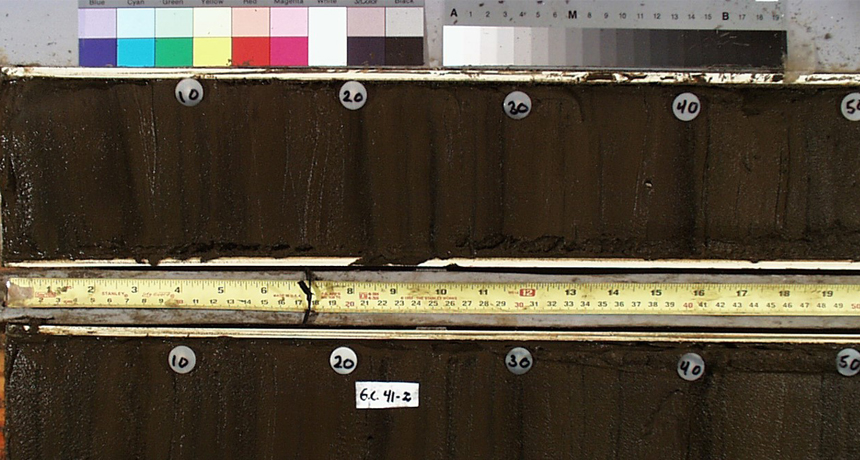
Waning winds could give the world’s largest oxygen-starved ocean region a breath of fresh air as the planet warms, researchers report in the Aug. 8 Science. Scientists previously thought the North Pacific dead zone would grow, not shrink, under climate change.
Methane, not an alien spacecraft crash, is probably responsible for the 30-meter-wide crater that suddenly appeared in Siberia in mid-July.