Fizzled 2014 El Niño fired up ongoing monster El Niño
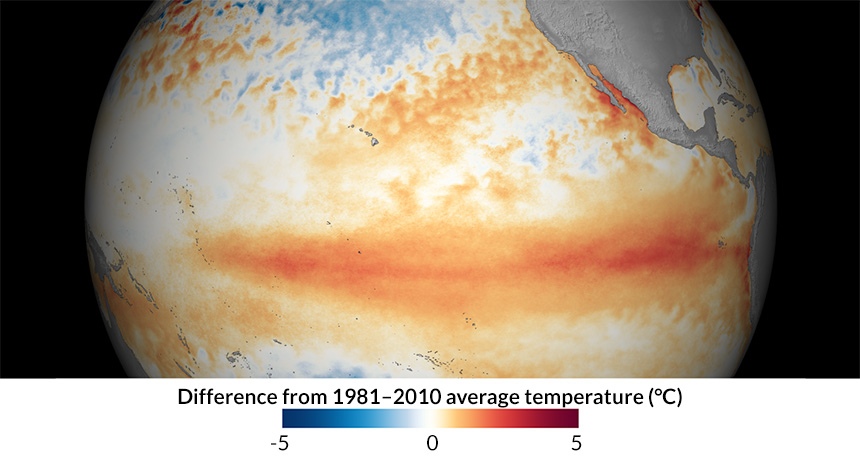
Science News, May 2016The historic El Niño event currently shaking up Earth’s weather rose like a phoenix from the hot remains of a failed 2014 El Niño, new research suggests.
The historic El Niño event currently shaking up Earth’s weather rose like a phoenix from the hot remains of a failed 2014 El Niño, new research suggests.
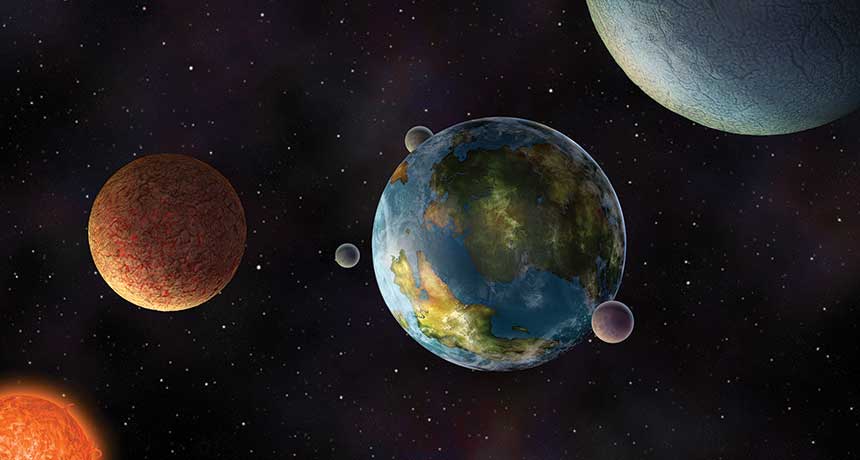
Just how fantastical a planet can be and still support recognizable life isn’t just a question for science fiction. Astronomers are searching the stars for otherworldly inhabitants, and they need a road map. Which planets are most likely to harbor life? That’s where geoscientists’ imaginations come in. Applying their knowledge of how our world works and what allows life to flourish, they are envisioning what kind of other planetary configurations could sustain thriving biospheres.
A feature story on how unearthly mechanisms could keep planets habitable well outside the traditional "Goldilocks" zone.
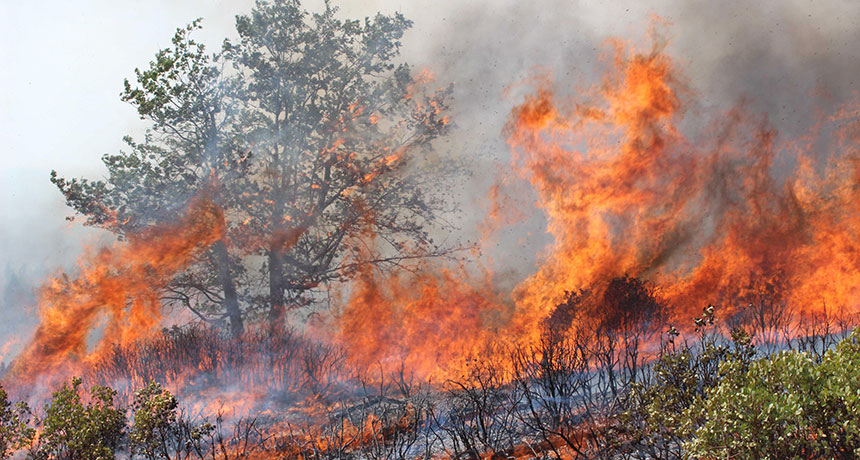
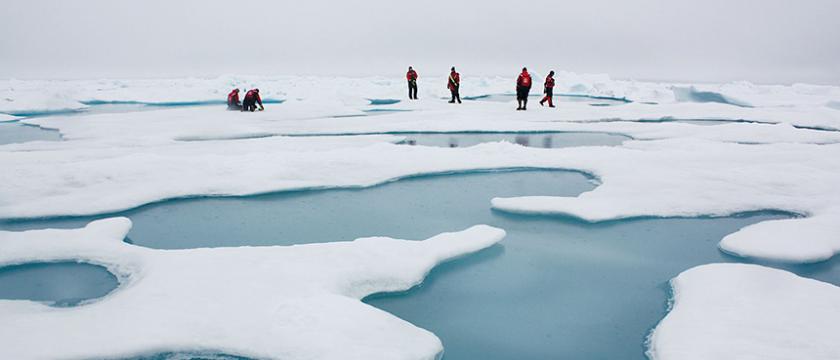
Raging wildfires could burn away efforts to reduce Arctic-damaging soot emissions. Soot produced by burning fossil fuels and plants, also called black carbon, can cause respiratory diseases and greenhouse warming, and can accelerate the melting of ice.
The U.S. Environmental Protection Agency, criticized for understating how much methane the United States spews into the atmosphere, has boosted its estimate of total U.S. methane emissions by 13 percent. That’s an increase of more than 3.4 million metric tons of the greenhouse gas and has the same long-term global warming impact as a year’s worth of emissions from about 20 million cars.
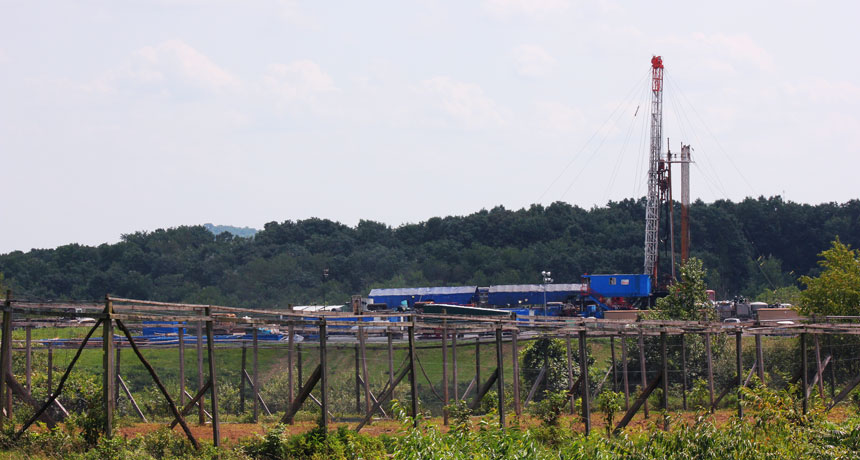
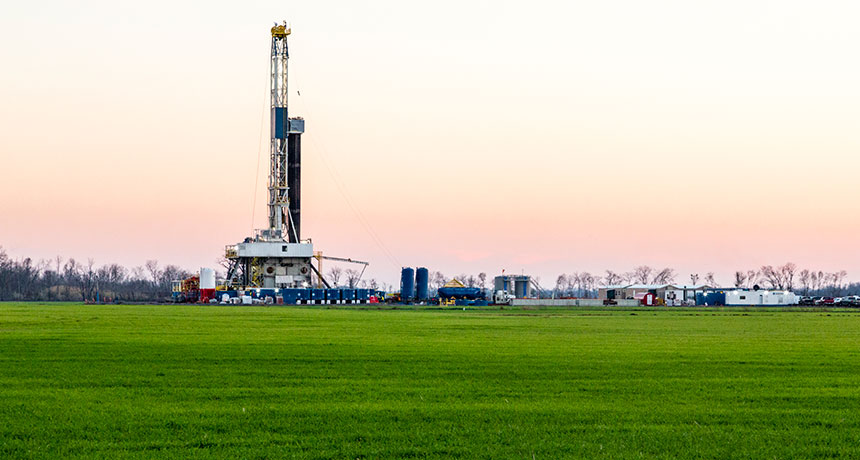
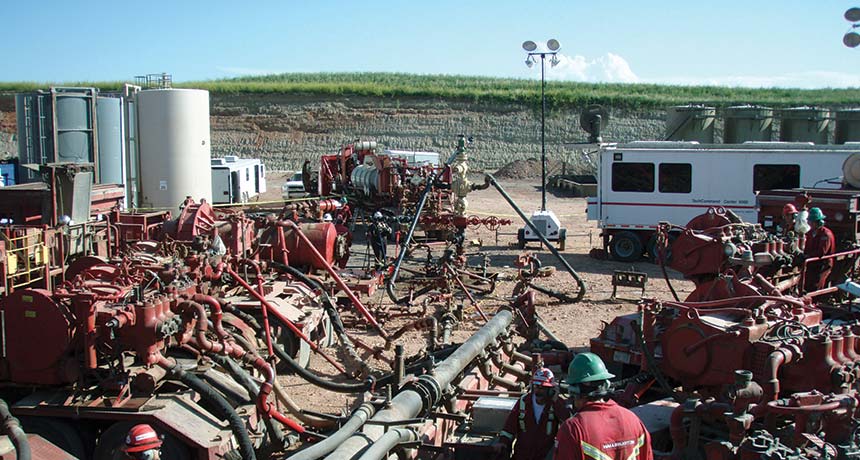
The U.S. Environmental Protection Agency has a methane problem — and that could misinform the country’s carbon-cutting plans. Recent studies suggest that the agency’s reports fail to capture the full scope of U.S. methane emissions, including “super emitters” that contribute a disproportionate share of methane release. Those EPA reports influence the country’s actions to combat climate change and the regulation of methane-producing industries such as agriculture and natural gas production.
Even top-caliber diamonds aren’t perfect. And their imperfections are finally settling a debate about the origins of the gem-quality diamonds used in jewelry.
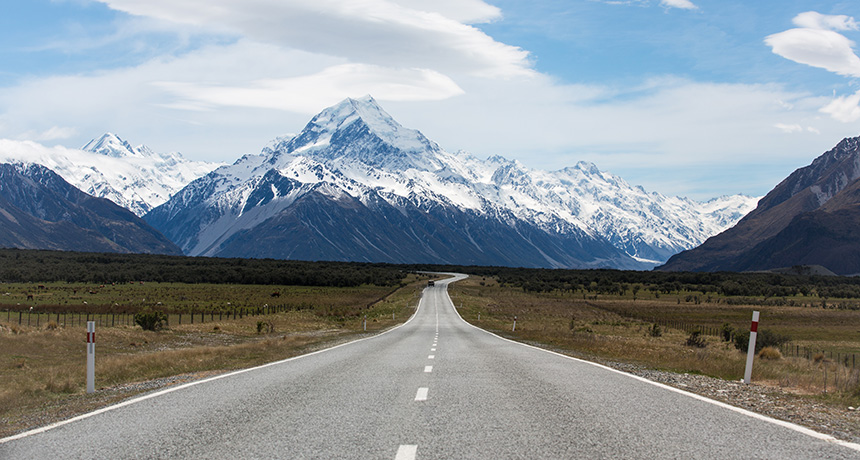
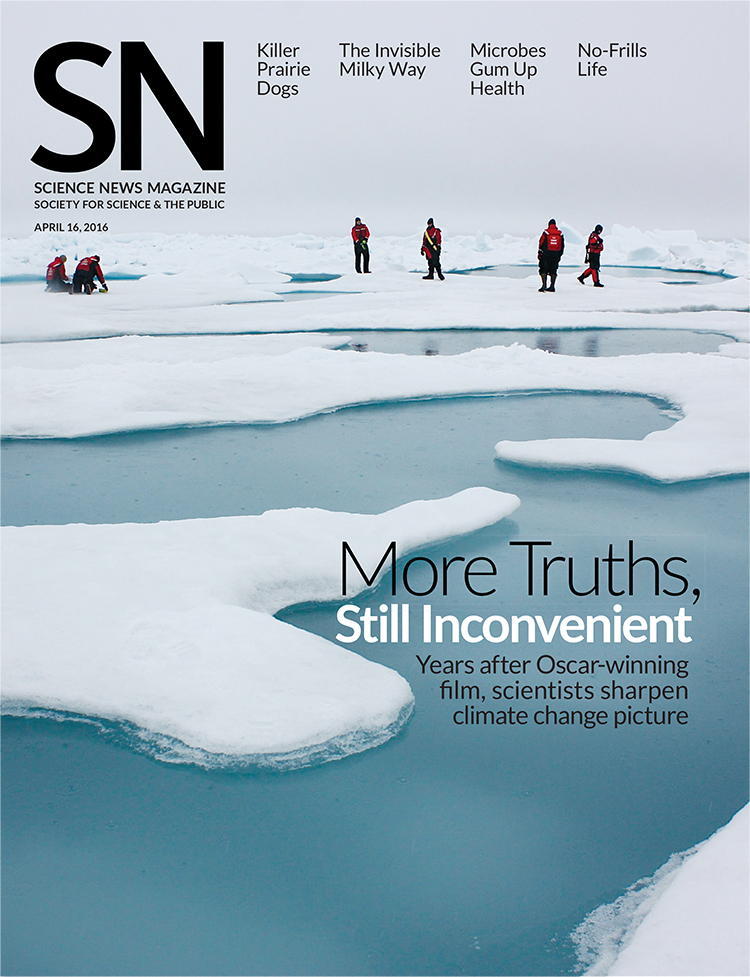
More than 25 years before the star-studded Los Angeles premiere of An Inconvenient Truth, glaciologist Lonnie Thompson was about as far away from the red carpet as possible. It was 1978, and high in the rugged Andes, Thompson and fellow scientists were witnessing the first glimpses of a pending worldwide disaster. Rising temperatures were melting ancient titans of ice and snow. Mammoth glaciers were disappearing at unprecedented rates and withering to the smallest sizes in millennia. The delicate balance of Earth’s climate was upset.
A feature story on a decade of climate discoveries since Al Gore's An Inconvenient Truth. Published in print edition as well as a special online package. Cover story of issue.
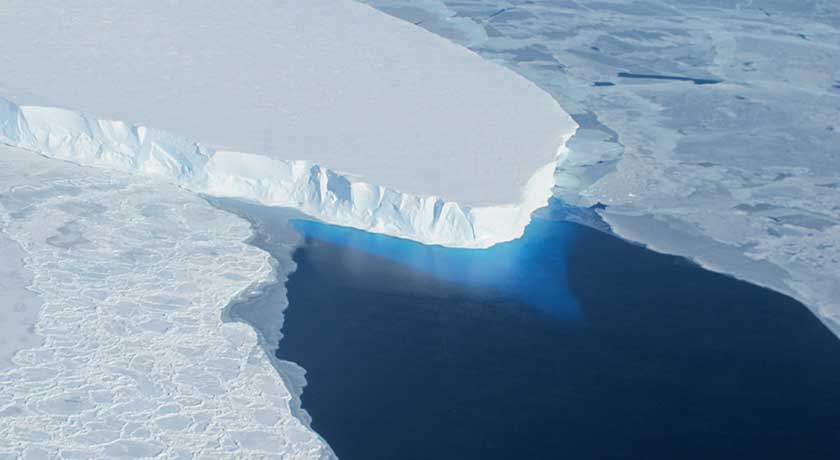
Antarctica’s meltdown could spur sea level rise well beyond current predictions. A new simulation of the continent’s thawing ice suggests that Antarctic melting alone will raise global sea levels by about 64 to 114 centimeters by 2100, scientists report in the March 31 Nature.
Airborne black carbon, also called soot, can cause the dome effect by warming the atmosphere’s top layer and blocking sunlight that would otherwise warm the surface air. The reduced temperature difference between the two layers lowers the boundary between them. This effect traps pollution around major cities, worsening air quality, new research suggests.
The last of a group of dense minerals that make up much of Earth’s crust and upper mantle has been found tucked inside a meteorite that slammed into Australia 135 years ago. The newly discovered mineral, a variety of majorite, is potentially abundant in sinking tectonic plates and could help illuminate the behavior of the deep Earth, its discoverers say.