Quake risk in parts of central U.S. as high as in fault-filled California

Science News, March 2016

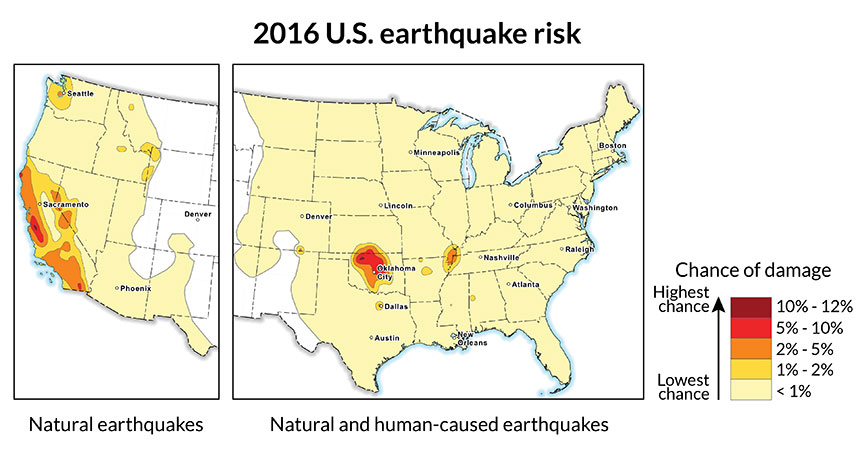
Northern Oklahoma is just as susceptible to a damaging earthquake within the next year as the most quake-prone areas of California. That’s because earthquakes are no longer just a natural hazard, the U.S. Geological Survey says. In its new quake hazards forecast released March 28, the agency for the first time has included artificially triggered seismicity.

Beware of rockfalls in warm weather

Science News, March 2016

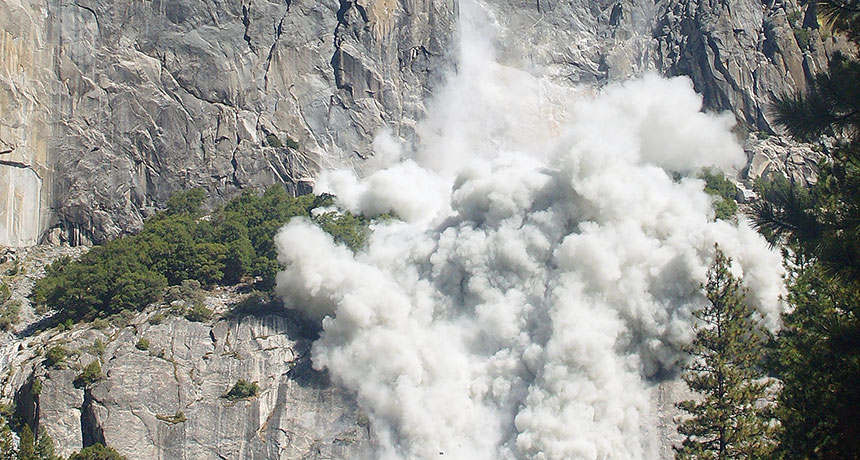
As the weather warms, watch for falling rocks. While monitoring a cracked cliff in Yosemite National Park, researchers watched the fissure widen as temperatures rose. The risk of rockfalls could increase as climate change cranks the thermostat, one scientist predicts.

Wine quality subject to climate change

Science News, March 2016

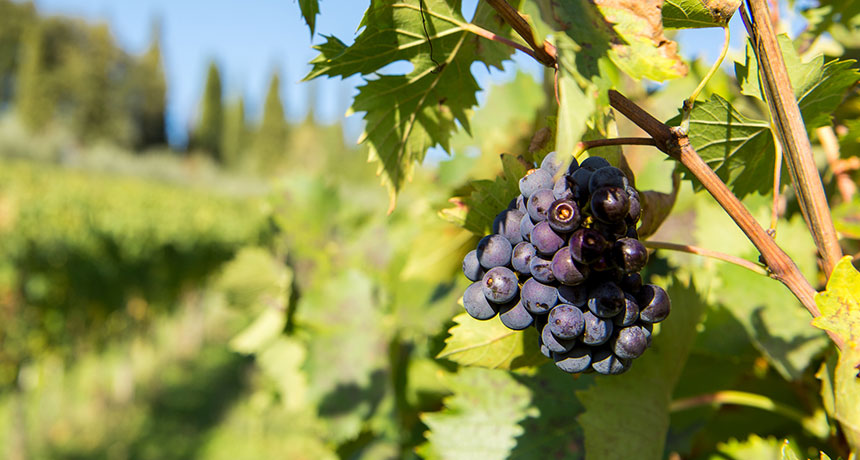
Be wary, wine lovers: Climate change can muck with your merlots. By tracking the timing of French and Swiss grape harvests from 1600 through 2007, scientists have discovered that the link between high temperatures and drought conditions — a combination crucial for fine wine production — has broken down since 1980.

Hurricane frequency dropped during 17th century ‘Little Ice Age’

Science News, March 2016

Using records of ships wrecked by Atlantic hurricanes dating as far back as the days of Christopher Columbus, researchers have extended the hurricane record by hundreds of years. The work reveals that hurricane frequency plummeted 75 percent between 1645 and 1715, a time called the Maunder Minimum when the sun dimmed to its lowest recorded brightness.