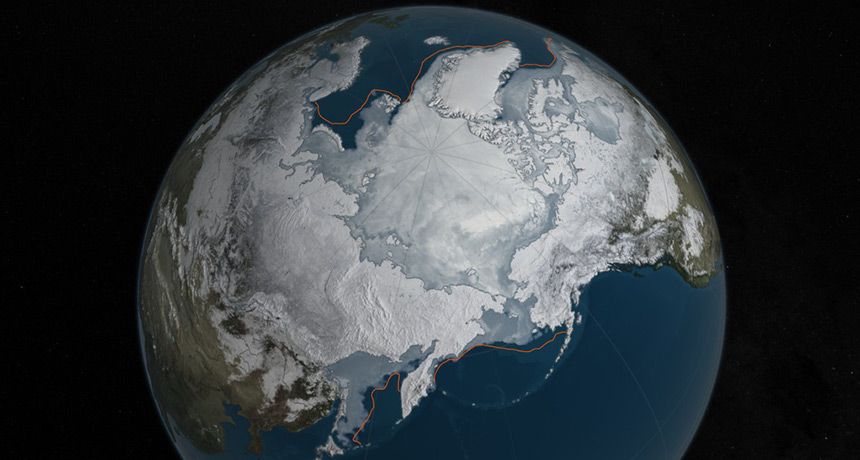
Maximum size for Arctic sea ice hits a new low
Science News, March 2016The ice at the top of the world has set a new wintertime low for the second straight year, scientists at NASA and the National Snow and Ice Data Center announced March 28.
The ice at the top of the world has set a new wintertime low for the second straight year, scientists at NASA and the National Snow and Ice Data Center announced March 28.
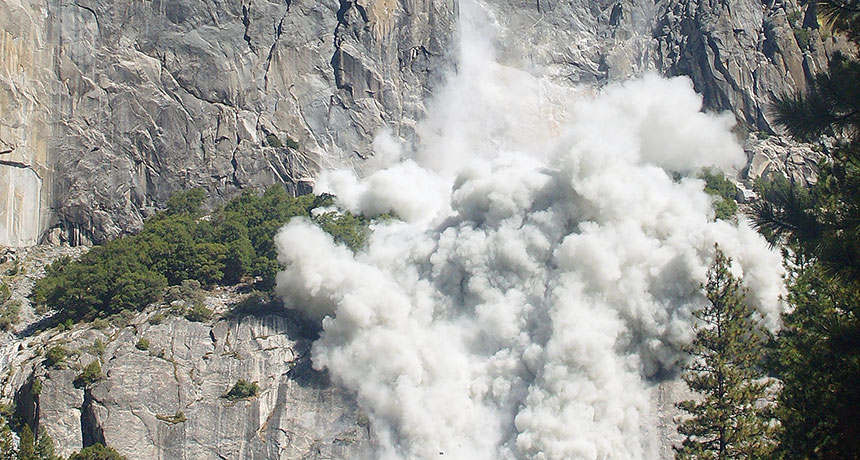
As the weather warms, watch for falling rocks. While monitoring a cracked cliff in Yosemite National Park, researchers watched the fissure widen as temperatures rose. The risk of rockfalls could increase as climate change cranks the thermostat, one scientist predicts.
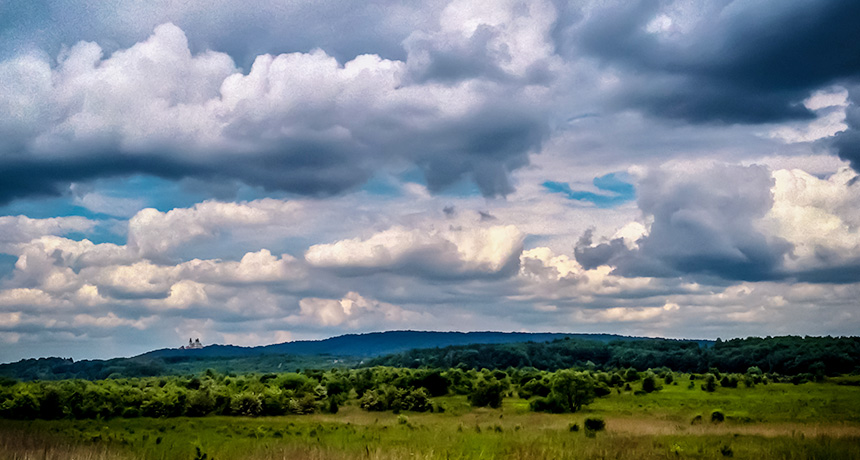
For many cloud-forming water droplets, it’s what’s on the outside that matters.
Adapted for Science News for Students.
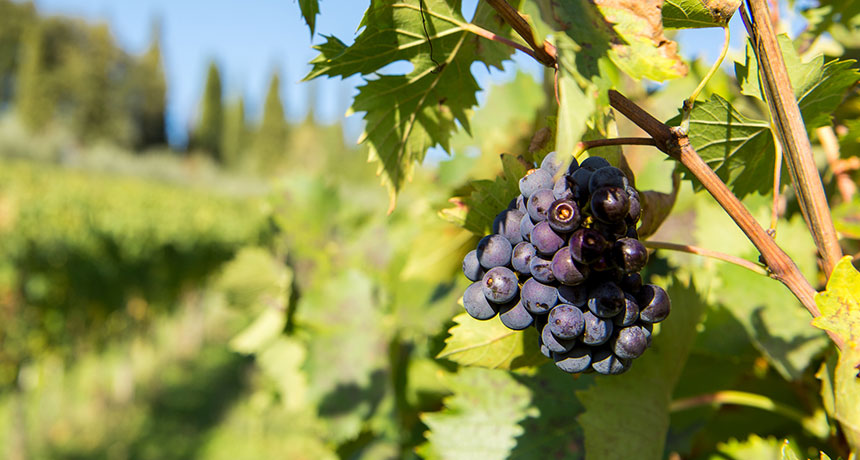
Be wary, wine lovers: Climate change can muck with your merlots. By tracking the timing of French and Swiss grape harvests from 1600 through 2007, scientists have discovered that the link between high temperatures and drought conditions — a combination crucial for fine wine production — has broken down since 1980.
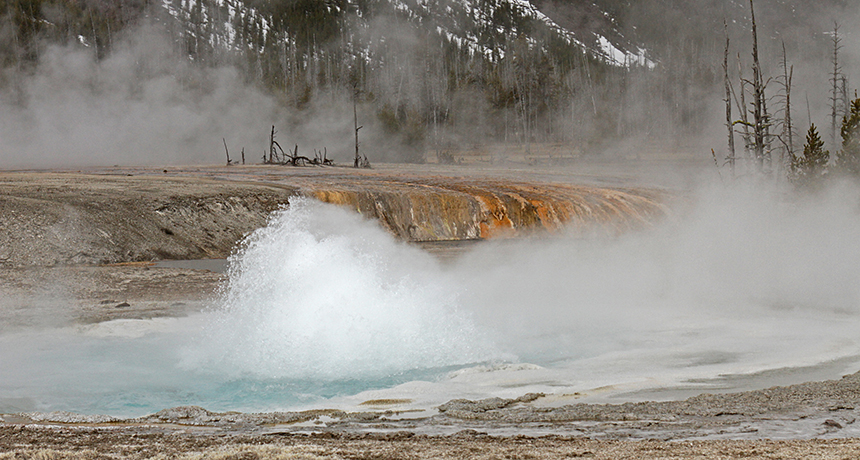
Monitoring the innards of Yellowstone’s gurgling geysers, scientists report in two new studies that carbonation helps the geysers erupt like shaken cans of soda.
Adapted for Science News for Students.
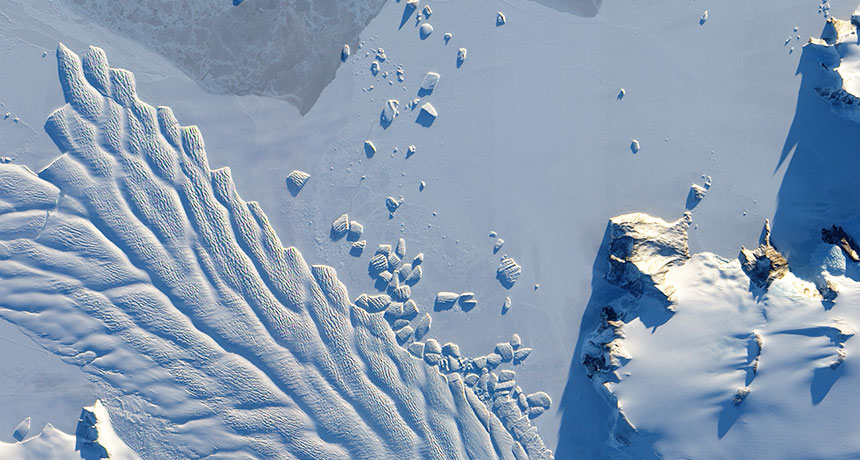
Assembling a detailed timeline surrounding the Antarctic ice sheet’s inception around 34 million years ago, scientists have identified a carbon dioxide “danger zone” for the ice sheet’s demise.
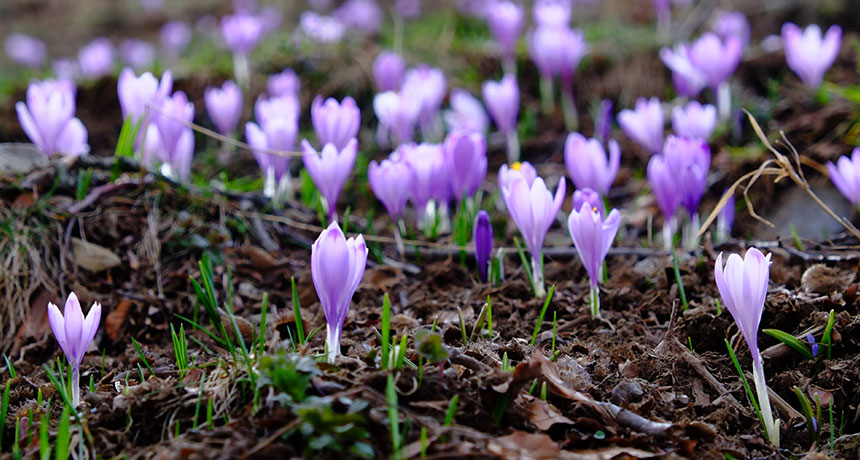
The early emergence of flowers and leaves due to climate change amplifies springtime heat waves in Europe, new climate simulations suggest. While not as deadly as their summertime counterparts, spring heat waves can disrupt ecosystems and damage crops.
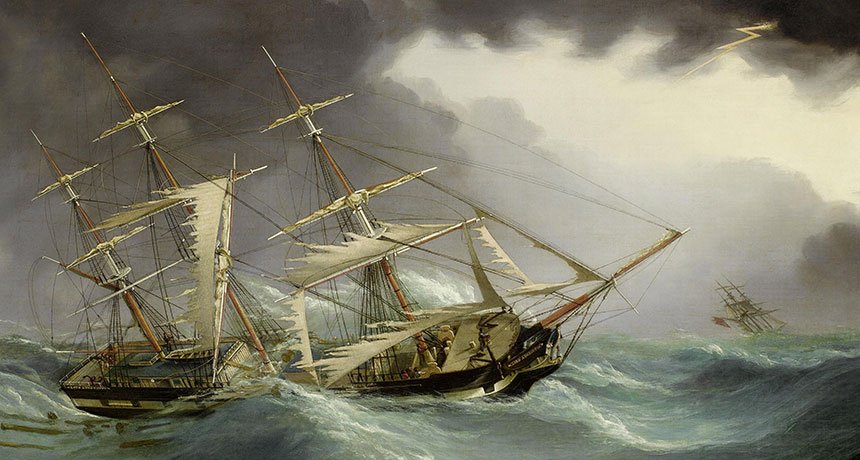
Using records of ships wrecked by Atlantic hurricanes dating as far back as the days of Christopher Columbus, researchers have extended the hurricane record by hundreds of years. The work reveals that hurricane frequency plummeted 75 percent between 1645 and 1715, a time called the Maunder Minimum when the sun dimmed to its lowest recorded brightness.
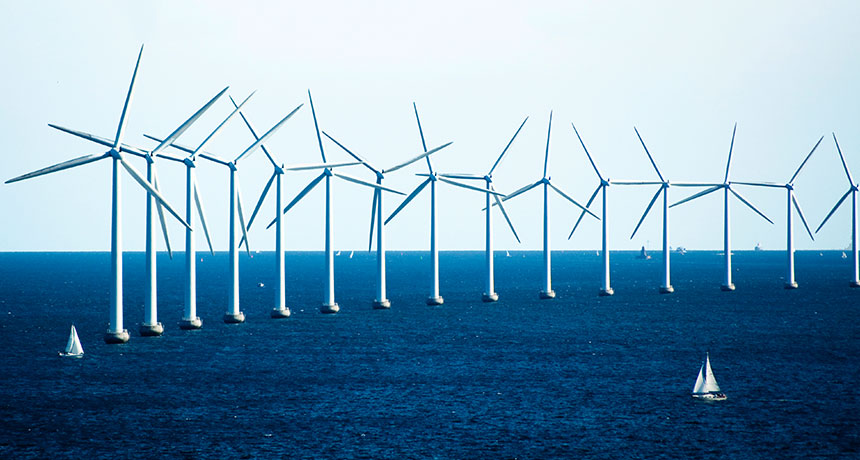
High-voltage electricity surging through undersea power cables doesn’t bother local sea life, three new studies suggest. The work eases concerns that planned offshore power production from wind turbines and tidal generators would disrupt marine communities.
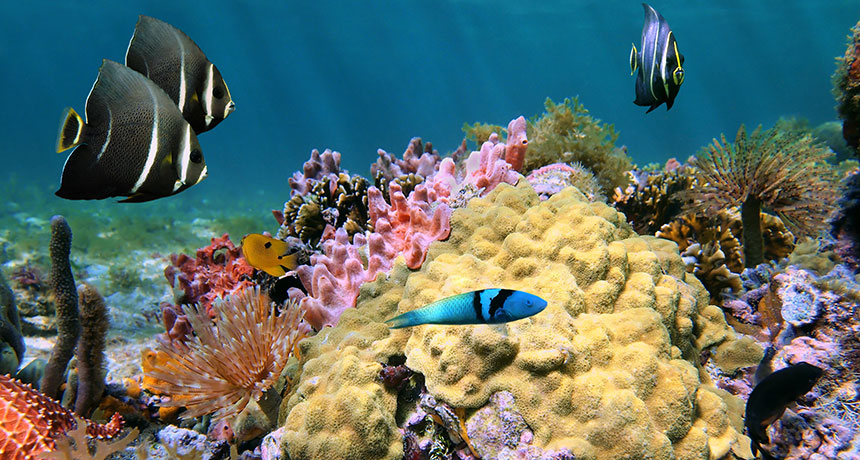
Hard corals may need a dose of vitamin C when building their stony skeletons. New research finds that when free-floating coral larvae settle down and calcify their skeletons, genes associated with the transport of vitamin C get busy. Without enough of the vitamin, corals might even get scurvy.