Corals need to take their vitamin C

Science News, February 2016

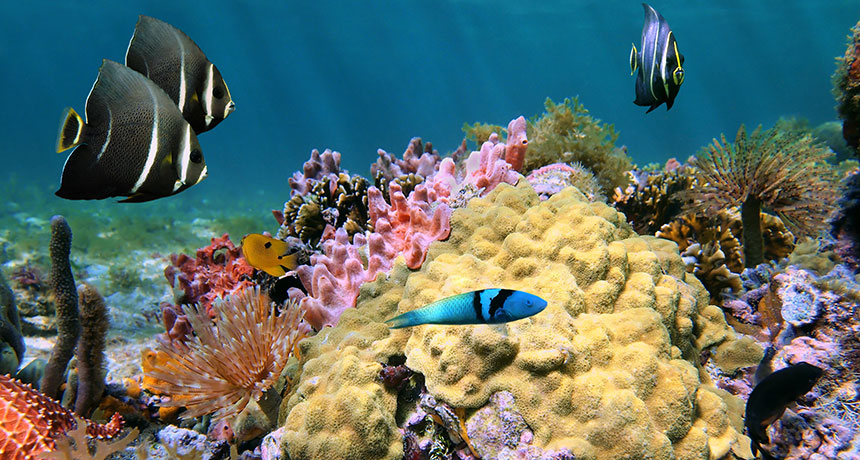
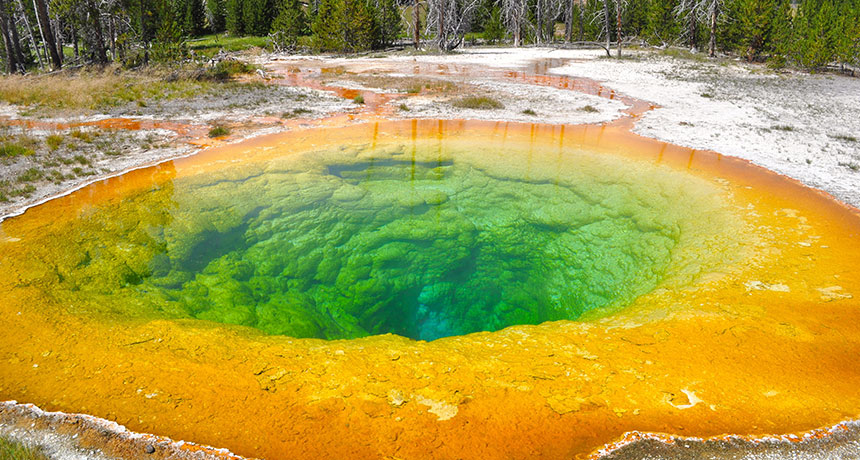
Hard corals may need a dose of vitamin C when building their stony skeletons. New research finds that when free-floating coral larvae settle down and calcify their skeletons, genes associated with the transport of vitamin C get busy. Without enough of the vitamin, corals might even get scurvy.

Gulf oil spill could hasten corrosion of shipwrecks

Science News, February 2016

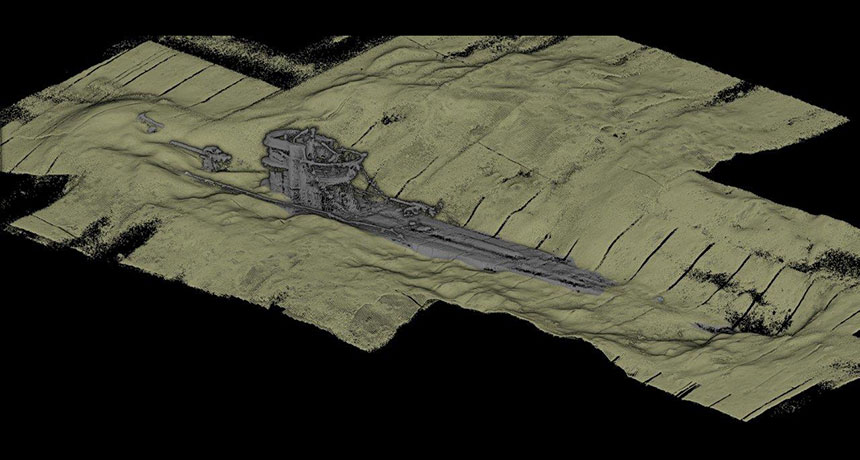
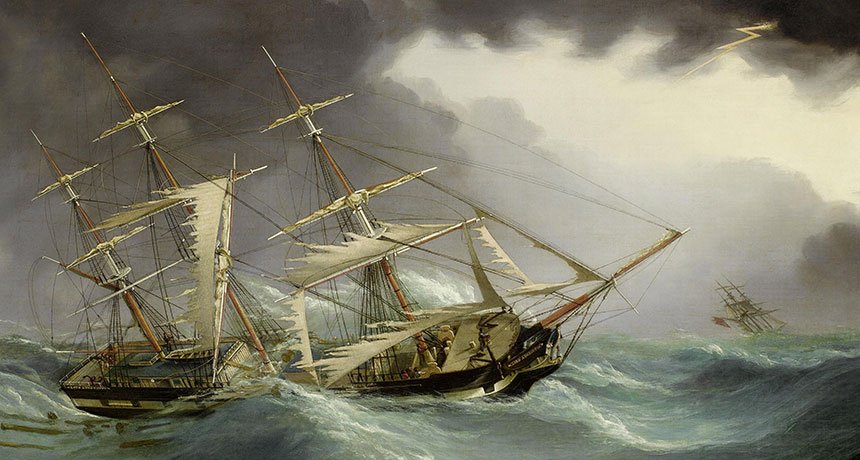
Lingering oil from the Deepwater Horizon oil spill could hasten the destruction of historical shipwrecks in the Gulf of Mexico. Tracking the activities of metal-corroding microbes, researchers found that oil mixed into seawater roughly doubled the amount of observed metal corrosion. The scientists reported their findings February 22 at the American Geophysical Union’s Ocean Sciences Meeting.

20th century sea level rose at fastest rate since founding of Rome

Science News, February 2016

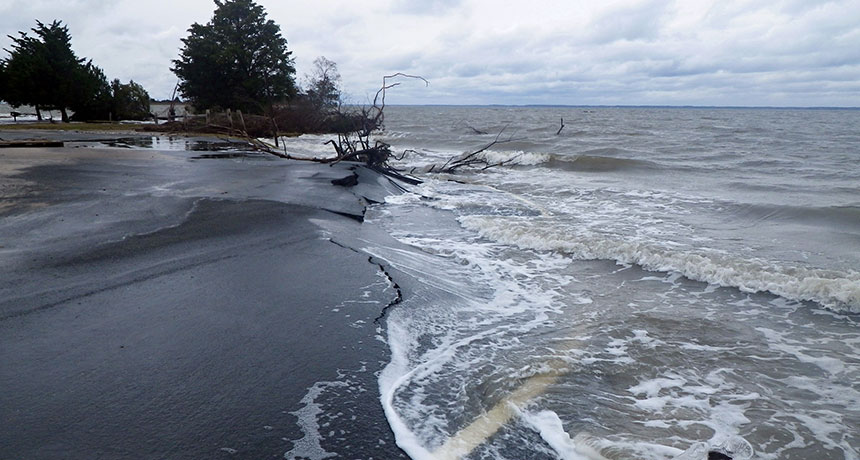
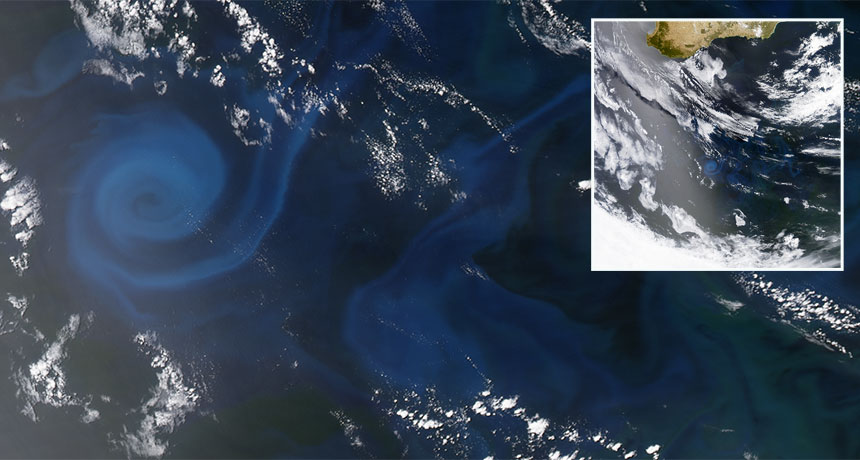
Sea levels rose faster last century than during any time since Rome was founded around 2,800 years ago. Reconstructing past rises and falls in global sea level, researchers estimate that more than half of the 13.8 centimeters of sea level rise recorded in the 1900s resulted from global warming effects, such as glacial melt. The new work will appear in the Proceedings of the National Academy of Sciences.

New app puts an earthquake detector in your pocket

Science News, February 2016

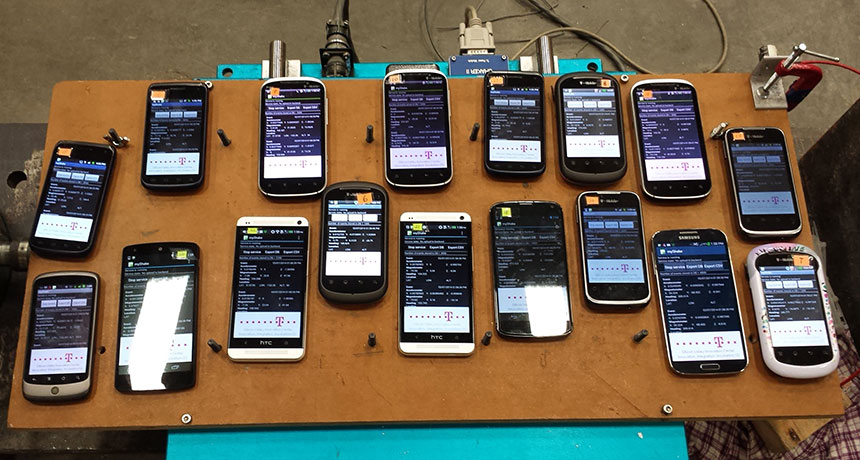
If you need to detect earthquakes, there’s an app for that. Seismologists have harnessed the motion-sensing accelerometers built into smartphones to detect tremors. The app, called MyShake, could eventually provide early warning of approaching quakes in regions lacking sophisticated seismometer networks, Richard Allen, a seismologist at the University of California, Berkeley, said February 11 at the annual meeting of the American Association for the Advancement of Science.

Earth’s inner secrets divulged in ‘Into the Heart of Our World’

Science News, January 2016

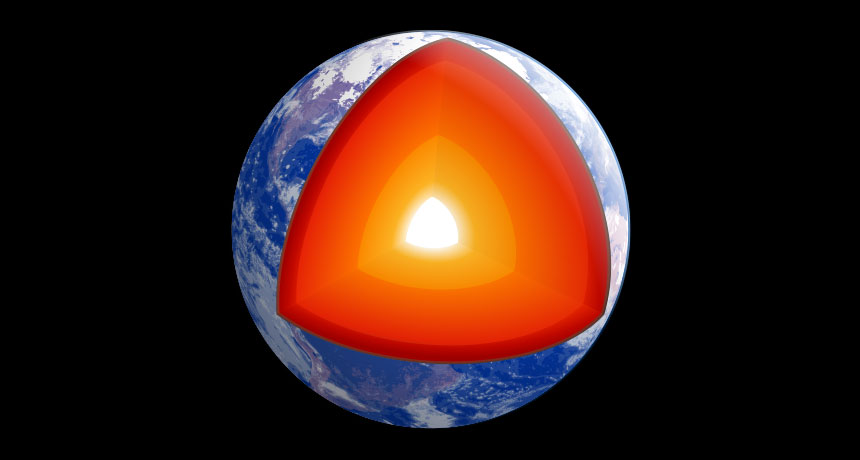
More than 150 years ago, Jules Verne imagined a fantastic voyage into Earth’s depths. In reality, the planet’s innards are no less remarkable than the Jurassic–period monsters and subterranean labyrinths that Verne envisioned: Iron crystals stretch 20 kilometers long, colossal plumes of liquefied rock surge toward the surface and fragments of ancient seafloors lie entombed in the mantle.

Atmospheric tides alter rainfall rate

Science News, January 2016

When you see a bad moon rising, expect an ever-so-slightly wetter day. The lunar gravitational pull imperceptibly boosts rainfall when the moon is on the horizon and somewhat reduces rainfall when the moon is overhead or on the opposite side of the Earth, a new analysis of global rainfall concludes.